Massive revenue from illicit call centres
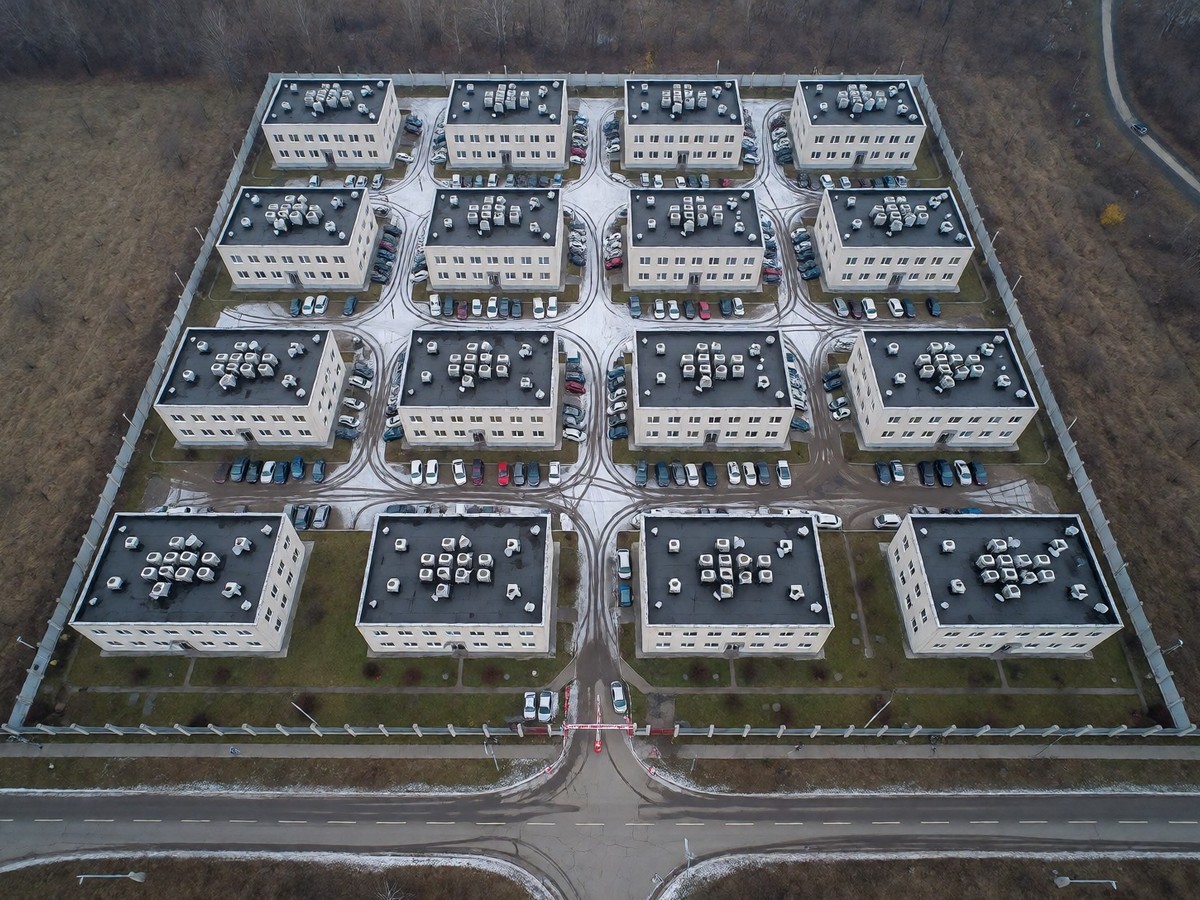
Yegor Burkin, a Russian-born fugitive known as Mexican, claims 1,500 scam call centres generated approximately $20bn annually in Ukraine. He told blogger Vasyl Tymoshenko in a video released on November 13-14 that these centres paid police, the Security Service of Ukraine (SBU), and prosecutors to remain operational. This $20bn figure represents roughly 31% of the $64.3bn revenue originally planned in the 2026 state budget. While Burkin estimated monthly turnover between $2bn and $3bn, a report from the Global Initiative Against Transnational Organized Crime in April found that Ukraine’s scam centres could earn as much as $1bn a month from 1,000 offices. This cash, mostly collected in physical currency, reportedly paid bosses, their protectors, and tens of thousands of staff before entering luxury flats, cars, and restaurants. Sociologist Volodymyr Ishchenko noted that if Burkin’s figure is accurate, the criminal business generated income comparable to Ukraine’s total state budget revenues or Western external financing.
Protection fees and named officials
Burkin, who has been wanted since 2019, described a fixed price list for protection that divided payments between three specific agencies. A centre with 50 staff paid $21,000 a month, while a 100-seat office paid $42,000 and a 150-seat office paid $63,000. These monthly payments split three ways provided $7,000 each to the National Police, the SBU, and the Prosecutor General’s Office. Burkin alleged he dealt directly with SBU General Serhiy Duka, who was released from pretrial detention on November 13 after a UAH65mn ($1.43mn) bail was posted. He also claimed the prosecutors’ share went to Serhiy Kropyva, a former deputy head of the Prosecutor General’s Office’s international legal co-operation department, who then passed the money to former Prosecutor General Ruslan Kravchenko. Kropyva, a suspect in the first phase of the investigation, denies laundering UAH42mn ($925,000). Burkin further alleged that the heads of the three agencies passed the majority of the funds to Oleh Tatarov, the deputy head of the Office of the President who oversees law enforcement, although Tatarov denies wrongdoing.
| Staff/Seat Count | Monthly Protection Fee |
|---|---|
| 50 staff | $21,000 |
| 100 seats | $42,000 |
| 150 seats | $63,000 |
The National Anti-Corruption Bureau (NABU) presented a smaller version of the scheme. On November 4, NABU alleged that top security officers shielded 52 scam call centres employing about 2,700 people in exchange for $7,000 per centre per month. This investigation follows the Carthage operation in September, which investigators say uncovered a scam call centre ring run from inside the prosecutor’s office.
Political immunity and systemic corruption
President Volodymyr Zelenskiy stated on November 13 that anti-corruption officials told him they had nothing on Davyd Arakhamia, Ihor Klymenko, or Health Minister Viktor Liashko, all of whom appeared on the recordings. Zelenskiy said, "This is a very unpleasant and very wrong situation. But there is an investigation, and I support this investigation." The names on the tapes include Arakhamia, the leader of the ruling party’s faction in parliament, and Klymenko, the former interior minister. Iryna Korzhenkova, an analyst at the Chesno movement, said the figures matter even if they are inflated because they suggest a parallel system of taxation.
The corruption allegations reach into the highest levels of government, including the former chief of staff Andriy Yermak, who was arrested in May following the Midas investigation. Yermak denies any wrongdoing regarding the movement of more than $111mn and €12mn through that scheme. Transparency International ranked Ukraine 104th out of 182 countries in its 2025 Corruption Perceptions Index, giving the country a score of 36 out of 100. Half of Ukrainians polled in September named corruption among their top worries, placing it ahead of Russian missile strikes. The scam trade has spilled abroad, from a June bombing in Europe to Khimprom’s push into Poland. Burkin, who was put under Ukrainian sanctions in 2023, said the racket ended only after European and American partners "gave Ukraine’s leadership a slap." He reckons 80-90% of the centres have closed, with the rest working from flats in groups of five to 10 or moving to Albania and Serbia.