Security and judicial concerns
Pashinyan’s proposal to allow citizenship stripping is a security measure that faces significant judicial and humanitarian pushback. He defends a constitutional provision that allows Armenia to strip citizenship under specific conditions. He claims this measure acts as an "additional deterrent" against espionage and high treason. According to the draft constitution released by the government on Monday, a court decision can deprive a person of Armenian citizenship for crimes against state security or the constitutional order. This provision follows cases from the June election campaign and the aftermath of the Second Nagorno-Karabakh War. Pashinyan argued that the state must have means to protect itself, questioning why the government should retain the citizenship of a dual citizen who has been convicted of espionage. During a weekly press briefing on Thursday, he responded to concerns that the provision could target opposition figures during election periods. Pashinyan said an independent judiciary provides the most reliable safeguard against political misuse. However, the Union of Judges claims the proposed vetting of judges threatens the independence of the judiciary. Journalist Hripsime Jebejyan, who vows to sue Pashinyan for calling her "deplorable", held him responsible for the death of Armenians fighting in the conflict with Azerbaijan. Interior Minister Arpine Sargsyan said the government needs more discussion on whether the rule applies to dual citizens or those with only Armenian citizenship. Sargsyan added that Armenia must follow international obligations to prevent creating stateless persons.
Passport birthplace controversy
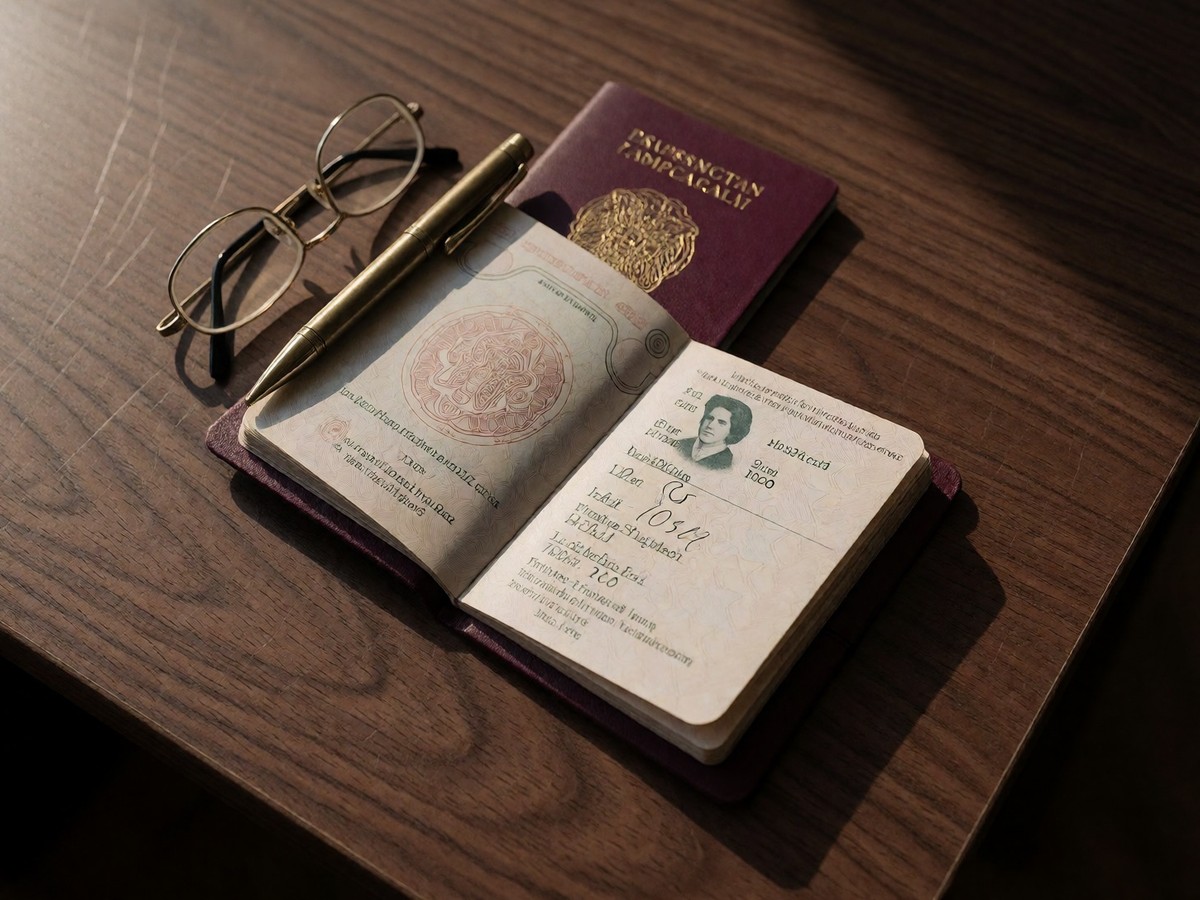
The government decision to list Azerbaijan as the birthplace of Nagorno-Karabakh Armenians in new biometric passports has caused friction. This policy follows a law adopted on May 11, 2026, which became effective on October 30. Interior Minister Arpine Sargsyan said the authorities chose to list the country instead of the settlement to avoid border crossing issues, citing a 2025 situation where Uruguay faced similar difficulties with Germany and France. Sargsyan stated that the decision follows International Civil Aviation Organisation and International Organisation for Standardisation standards. The Artsakh Union, a group representing refugees, called the move a "political decision" and said listing the state that forced them to leave is a disproportionate interference. The group stated that listing Azerbaijan as the birthplace of refugees was not required by international standards. The Artsakh Union also noted that ICAO guidance says issuing states should take into account sensitive circumstances relating to the country or territory concerned when indicating a place of birth. Artak Beglaryan, who leads the Artsakh Union, wrote that the policy justifies a "false ‘peace’ narrative" used by the authorities. He suggested alternatives such as using birth certificate information like the USSR or Armenia, writing the specific settlement name, or leaving the field blank. He noted that while the Nagorno-Karabakh Republic falls outside the ISO standard, the other options remain viable. Beglaryan also suggested that if the government lacks the courage to write a name other than Azerbaijan, they should use the name of the settlement as it appears on birth certificates, rather than using Azerbaijani occupation names. Pashinyan linked this passport issue to the expansion of the Yerablur Military Cemetery, noting that the principles of the initialled peace agreement from August 2025 make the two issues incompatible. A journalist questioned Pashinyan about his conscience regarding Yerablur and the passport issue, noting that the military pantheon has expanded under his government. Pashinyan said that Yerablur has not expanded during his two years and eight months of leadership, calling this period exceptional and unprecedented.