The 2026 Hungarian shift
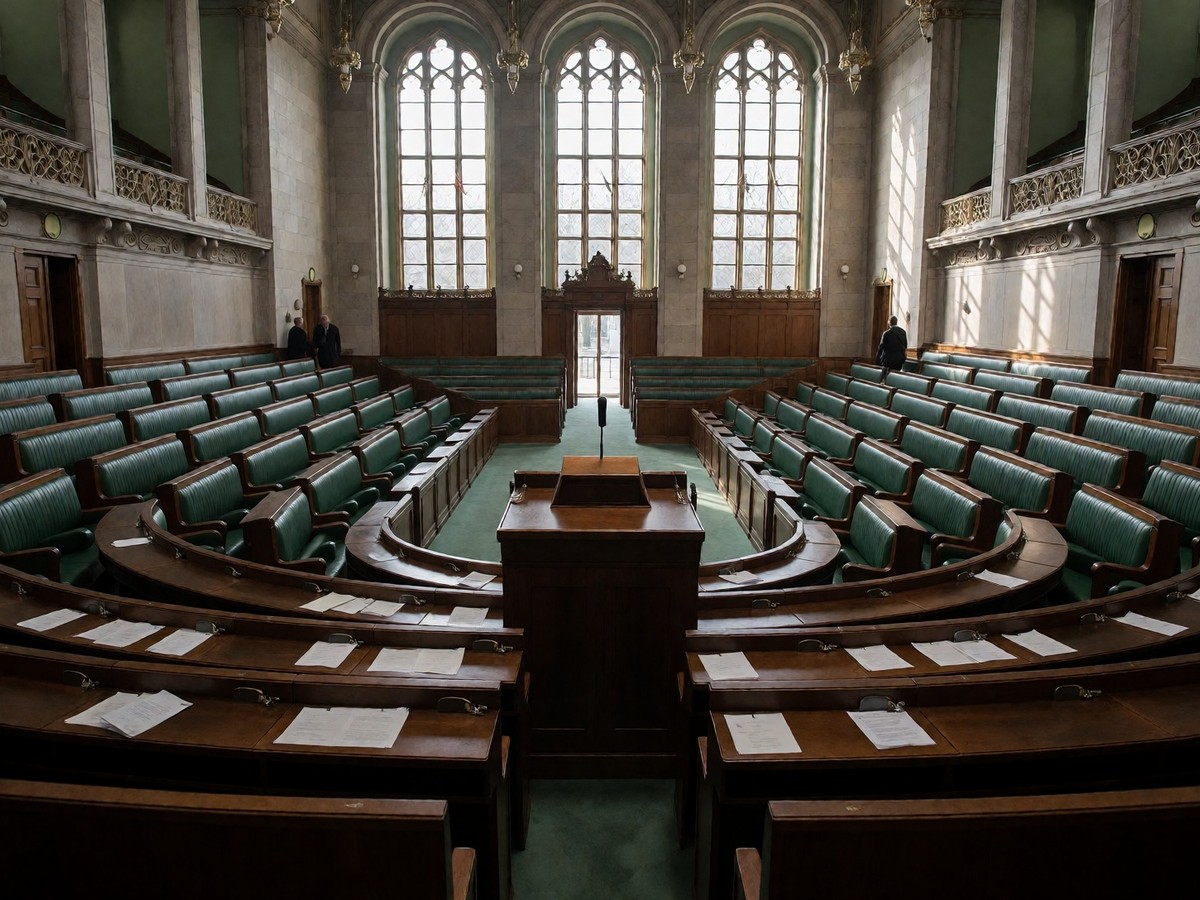
Tisza won the super-majority in the 2026 Hungarian parliamentary elections, taking the two-thirds parliamentary majority previously held by Fidesz. In the 2014 Hungarian parliamentary elections, Fidesz received more than 2.1 million domestic votes which secured a two-thirds parliamentary majority, but in 2026, the same amount of more than 2.1 million domestic votes resulted in a super-majority for Tisza instead. The new opposition movement succeeded because it united previously fragmented voters, mobilised new supporters, and attracted former government voters. Economic problems, scandals, and government fatigue made the governments vulnerable, but dissatisfaction alone was insufficient to change results when new challengers were absent. Credible new opposition movements turned widespread dissatisfaction into an electoral defeat. In a Hungarian by-election in January 2025, Fidesz won 64 per cent against the traditional opposition despite growing dissatisfaction. The decisive difference was the new opposition’s ability to unite previously fragmented voters, mobilise new supporters, and attract former government voters.
Serbia and the 21 Research Center findings
Daniel Rona and Fabian Spasic, analysts at the 21 Research Center, report that the experiences of Hungary and Serbia demonstrate that governments with extensive control over media, state resources, and political institutions are not invincible if elections remain at least partly competitive. The 21 Research Center is an independent Budapest-based research institute specialising in public opinion polling, social research, and political analysis. In a Serbian local election later in 2025, Vucic’s governing coalition won 67 per cent against a largely traditional opposition alliance, though the vote was marred by reported irregularities. Orban and Vucic did not lose simply because voters had grown tired of them. They lost because, for the first time in years, enough voters believed there was someone capable of replacing them. Economic difficulties, scandals, and government fatigue created the conditions for change, and without these crises, the new opposition movements might never have emerged. The experiences of Hungary and Serbia demonstrate that dissatisfaction alone is insufficient to cause an electoral defeat if no credible new opposition movements emerge to turn that dissatisfaction into a political alternative.