Demand for travel limits
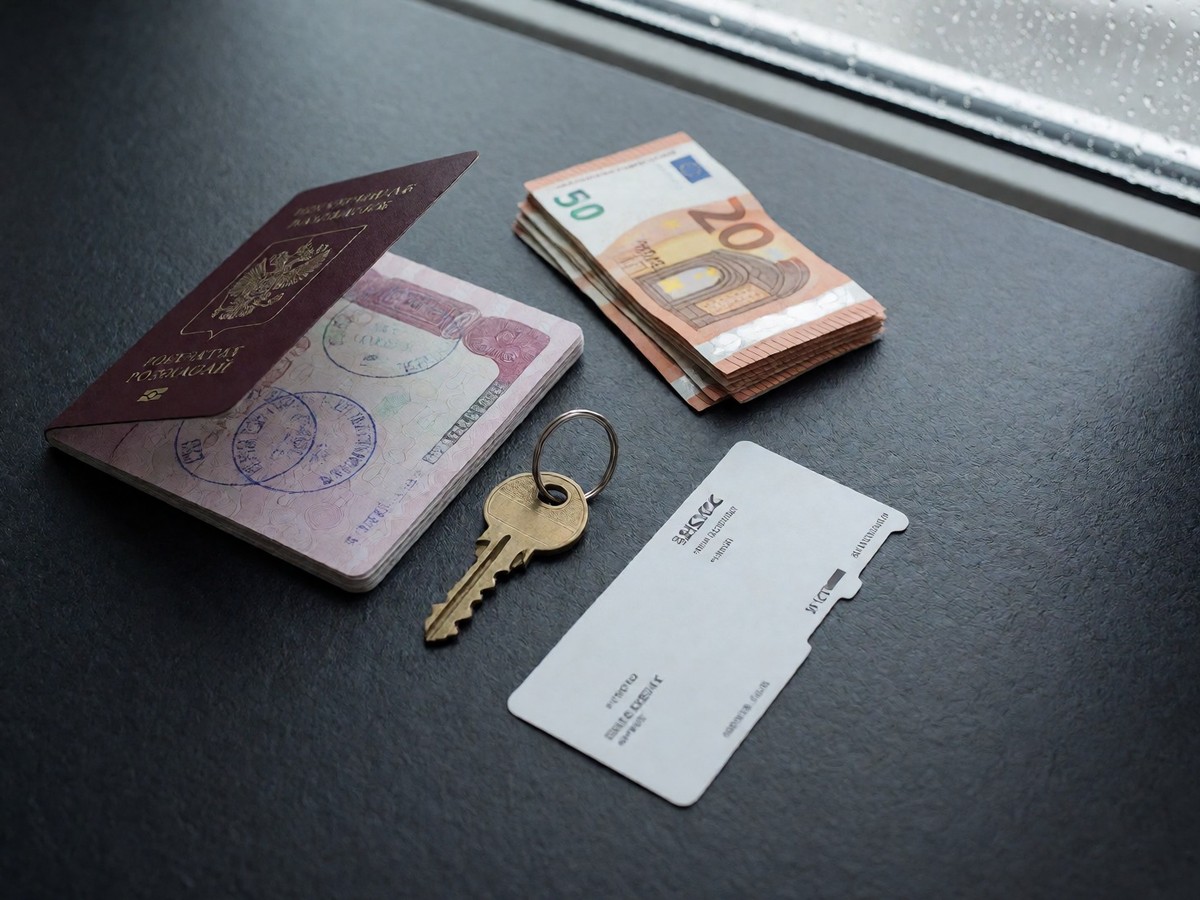
Seven nations want to limit Russian travel to the EU, especially for sporting events. The leaders of Denmark, Estonia, Finland, Latvia, Lithuania, Poland, and Sweden sent a letter on Nov. 23 to Ursula von der Leyen and European Council President Antonio Costa to demand the EU prevent non-essential travel of Russian nationals into Member States. They argue "recent developments in the world of sports now threaten to send the opposite message" regarding the EU goal to show Russia its invasion will not bring rewards. The signatories called the Commission’s new visa guidelines "crucial" to prevent non-essential travel of Russian nationals into the territory of Member States. They argue that stopping the normalization of Russia and Belarus’ participation in sport is an existing EU position that the bloc must now put into practice. The group is also concerned that the Commission’s new visa guidelines must provide a clear direction on restricting Russian travel. Although the EU plans to reform the entire visa code in 2027, these leaders claim the matter is "too urgent to wait."
Summit agenda and security context
The new visa guidelines are part of the Commission’s 22nd sanctions package. EU ambassadors will hold a first discussion on these restrictions on Nov. 25, before EU leaders meet on Nov. 26-27. Antonio Costa must decide whether to add the visa matter to the summit agenda, which is already dominated by a 45 billion euro ($49.5 billion) loan proposal to support Ukraine in 2027 and the EU’s next long-term budget. The agenda also includes discussions on the EU’s next long-term budget, in which some leaders are pushing for more ambitious long-term support for Kyiv. While Costa and von der Leyen have not yet responded to the letter, EU diplomats told the Kyiv Independent that there is optimism that the new measures on sports and visas will succeed. This push for restrictions follows requests made by EU countries since the July sanctions package, especially as Russian hybrid warfare has intensified. In September, Germany identified Russia as responsible for a drone attack against Leipzig airport, and the German government has since pushed against southern European holdouts on the necessity of limiting Russian visas.