Rhetoric vs reality
Ursula von der Leyen introduced Sasha, an Odesa gymnast who lost her left leg to a Russian missile at age six, during her September 16 State of the Union address. While the European Parliament stood for her, the Union had recently decided to close its temporary protection scheme to newly arriving Ukrainian men aged 23 to 60 unless they prove they fulfilled or were exempted from military service. This policy, which Kyiv requested, prioritizes front-line stability over the human security of Ukrainian citizens. I find the gap between Brussels’ rhetoric and the reality on the ground to be a strategic opening for Moscow. On November 4, 2026, the European Commission presented an Enlargement Package praising Ukraine for opening four membership clusters in a single year. However, the Ukraine 2026 Report documents that torture and ill-treatment "remain a concern" in prisons and detention facilities. The report also lists 755 cases under enhanced supervision at the European Court of Human Rights as of August 31, 2026, which is an increase from 694 cases the previous year. These cases involve unlawful arrests, excessive pre-trial detention, and breaches of the right to life.
Busification and corruption
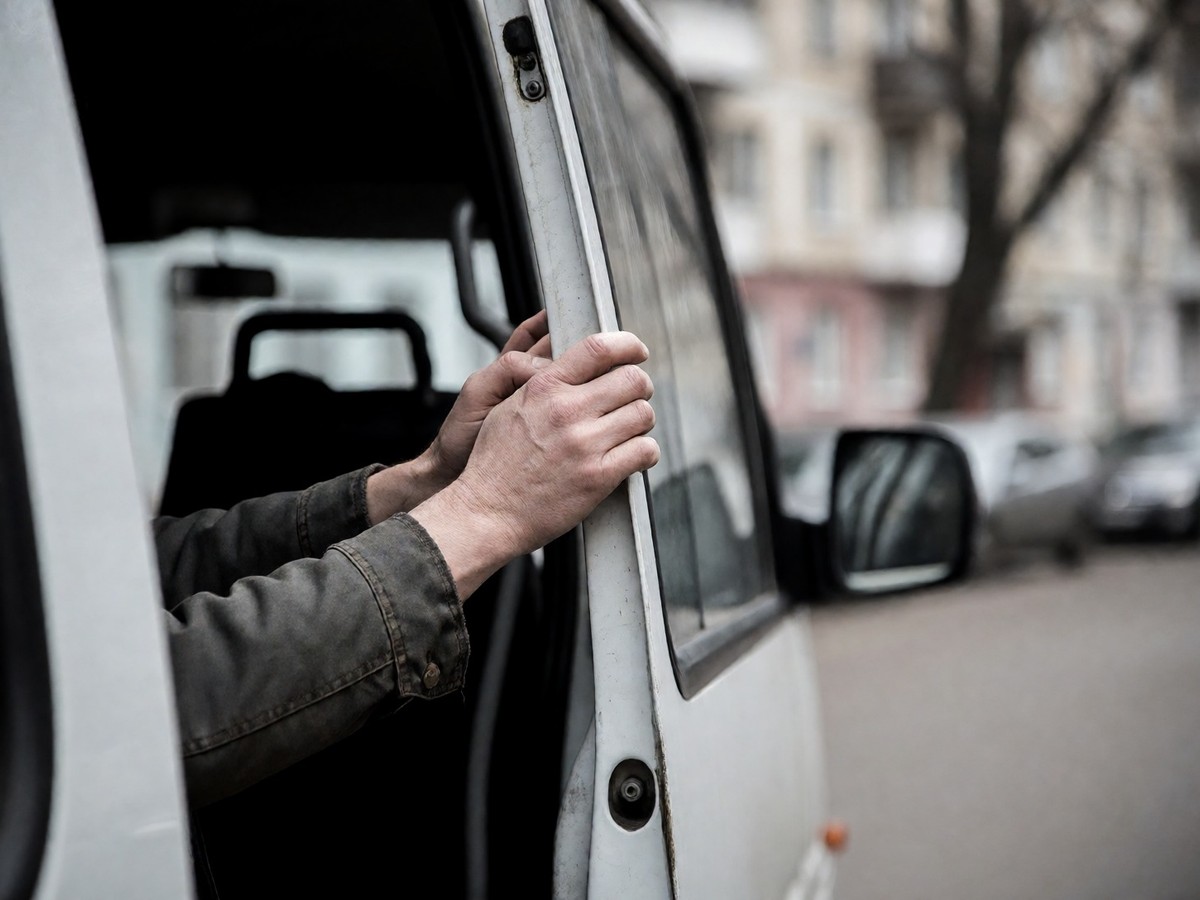
The phenomenon of "busification" involves recruitment officers detaining men on the street and driving them away in minibuses, often without checking documents. Dmytro Lubinets reported 6,127 complaints about territorial recruitment centres in 2025, and by autumn 2026, he stated that complaints had already exceeded 6,000. In Uzhhorod, monitors found men held without legal grounds for up to 50 days, with their phones and documents confiscated; one man was beaten and handcuffed to a ladder overnight. Three officials now face charges, including torture. I believe this lawlessness undermines the legitimacy of the state. Corruption also drains the war effort through massive theft. In November 2025, investigators exposed "Operation Midas," a scheme to extract 10 to 15 per cent kickbacks from Energoatom contractors, which allegedly laundered 100 million US dollars. The businessman identified as the leader, Tymur Mindich, fled before searches occurred. In the Poltava region, contractors took over 19 million hryvnias for school shelters that were unfit for use. After three people, including a nine-year-old girl, died outside a locked shelter in Kyiv, the only person convicted was a night guard, though a court later overturned that verdict. In Dnipro, officials of a military unit face suspicion of buying materials for defensive lines at inflated prices, costing the state more than 14 million hryvnias.
Social contracts under pressure
The absence of a demobilization plan leaves many soldiers with no way home. The 36-month discharge clause disappeared from the 2024 mobilization law at the request of the commander-in-chief, and the phased discharge President Zelenskyy promised in May 2026 has not arrived for those mobilized in 2022. The only reliable ways out are injury, disability, captivity or death. More than 114,000 people are officially listed as missing under special circumstances. In late September 2026, some military units stopped paying families as soon as they identified a body, even before legal death registration occurred. This leaves households without income at the exact moment they lose a breadwinner. Veterans are twice as likely as non-veterans to lose their jobs, and 41 per cent report severe limitations from war-related trauma. Minimum war-disability pensions range from 10,625 to 18,885 hryvnias a month, topped by a combat veteran supplement of about 13 euros. I see how Russia uses these failures to fuel its hybrid campaign. On November 2, 2026, in Petropavlivska Borshchahivka, a woman posing as an ambulance doctor called police to a house near Kyiv to claim National Guard soldiers were being illegally held and tortured. This incident drew a violent crowd, but Slidstvo.Info established the woman was actually an organizer of protests linked to Russian interference. In a September 2026 KIIS poll, 50 per cent of Ukrainians named government corruption as their biggest concern, while 40 per cent cited Russian strikes and nearly 25 per cent cited recruitment centre conduct.