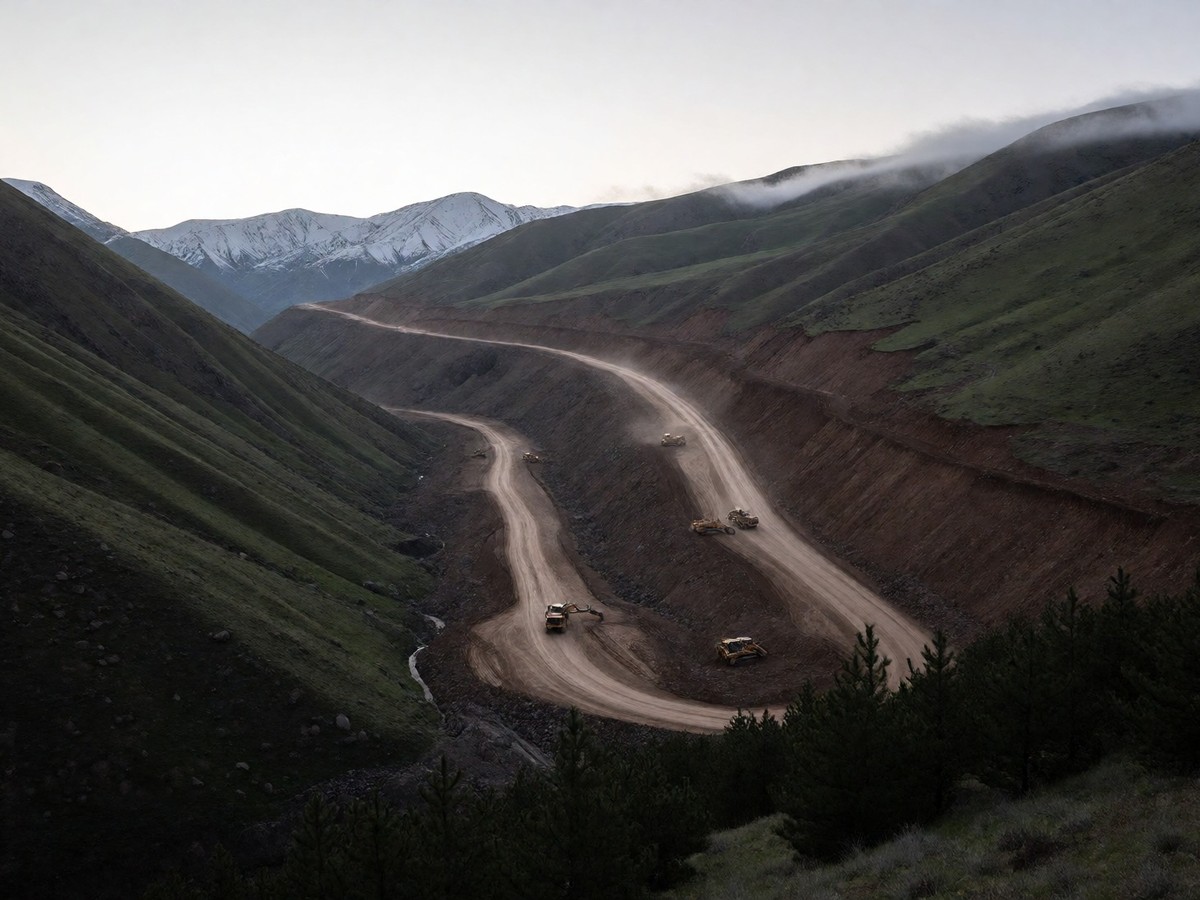
The TRIPP corridor and ownership structure
Armenia launched the practical phase of the Trump Route for International Peace and Prosperity (TRIPP) on November 23. This transit corridor connects Azerbaijan with its Nakhchivan exclave through the Syunik province of southern Armenia. Preparatory construction work began in Syunik, where the route spans approximately 42 km. The Armenian and US governments are implementing the project following an agreement from a Washington summit in August 2025 that sought to end decades of conflict between Armenia and Azerbaijan. US President Donald Trump praised Pashinyan’s leadership in a video message and said the project would create new routes for goods, energy, and travel throughout the region.
| Project Detail | Specification |
|---|---|
| US Ownership Stake | 74% |
| Armenian Ownership Stake | 26% |
| Initial Contract Period | 49 years |
| Syunik Route Length | 42 km |
"Today, we continue our progress with the launch of the Trump Path to International Peace and Prosperity project and the brand new TRIPP Development Company," Trump said. He said the partnership between the United States and Armenia will create new trade routes for goods and energy flows. Armenia’s parliament ratified the agreement in October, but lawmakers are still completing the legislative framework to establish the company. Pashinyan called TRIPP "the largest economic project in Armenia since the country gained its independence", stating the project would provide new opportunities for investment and trade while improving Armenia’s access to foreign markets.
Constitutional reforms and political offers
The corridor’s launch coincides with political uncertainty because Pashinyan seeks a referendum on a new constitution. Azerbaijan made the removal of references to the 1990 Declaration of Independence from the constitution a condition for signing the peace agreement initialled in August 2025. Baku argues that the declaration contains claims to Nagorno-Karabakh, which Azerbaijan regained control of in 2023 after a military offensive. The draft constitution, published by the Justice Ministry on Monday, establishes a "4th Republic" that places peace at the centre of foreign policy. Article 8 states that ensuring peace is the goal of the country’s foreign policy to signal a departure from the conflict-centred approach that has shaped relations with Azerbaijan for decades.
Pashinyan offered a political deal to opposition lawmakers to secure the 70 votes needed for a referendum, as his Civil Contract party holds 64 seats, six short of the 70 required, while the opposition factions Strong Armenia and Armenia have refused to support the initiative. He said he would resign if voters reject the new constitution but would not seek another term as prime minister if they approve it. "If the people vote against the Constitution, if the new Constitution is not adopted, I will resign and leave the post of Prime Minister," he said. He added that if the people vote for the constitution, he will no longer run as a candidate for Prime Minister in the next elections, preferring to focus on completing the institutionalisation of peace before the next election. He argued previous constitutions lacked legitimacy because of alleged electoral fraud in earlier referendums and said citizens did not regard the existing order as their own. "The Constitution is yours, the legal system is yours, and thus the state will be yours in its entirety," he said.
Regional security and infrastructure timelines
Neighboring Iran views the project as a threat to its regional influence and its direct land connection with Armenia through Syunik. Ali Akbar Velayati, an adviser to Iran’s Supreme Leader on international affairs, warned earlier this month that Tehran would oppose any attempt to cross what it considers a red line. He said, "if Trump and his allies seek to cross this red line of Iran, we will break their legs". Iranian officials expressed concern about a US-controlled company operating near their border, but Armenia said the project will not involve the deployment of US military forces. Armenian Security Council Secretary Armen Grigoryan said the project would not involve "a single armed soldier".
Pashinyan rejected accusations that the constitutional reform is being undertaken at the behest of Azerbaijan or other external powers. He said the work is necessary to secure Armenia’s future as an independent state. Azerbaijan joined a trilateral working group with Armenia and the United States and expects its own road and rail infrastructure connecting to the corridor to be ready by early 2027. The implementation of TRIPP remains tied to the unresolved political process between Armenia and Azerbaijan. If Pashinyan fails to secure parliamentary backing or if voters reject the proposed constitution, the peace agreement could remain unsigned.