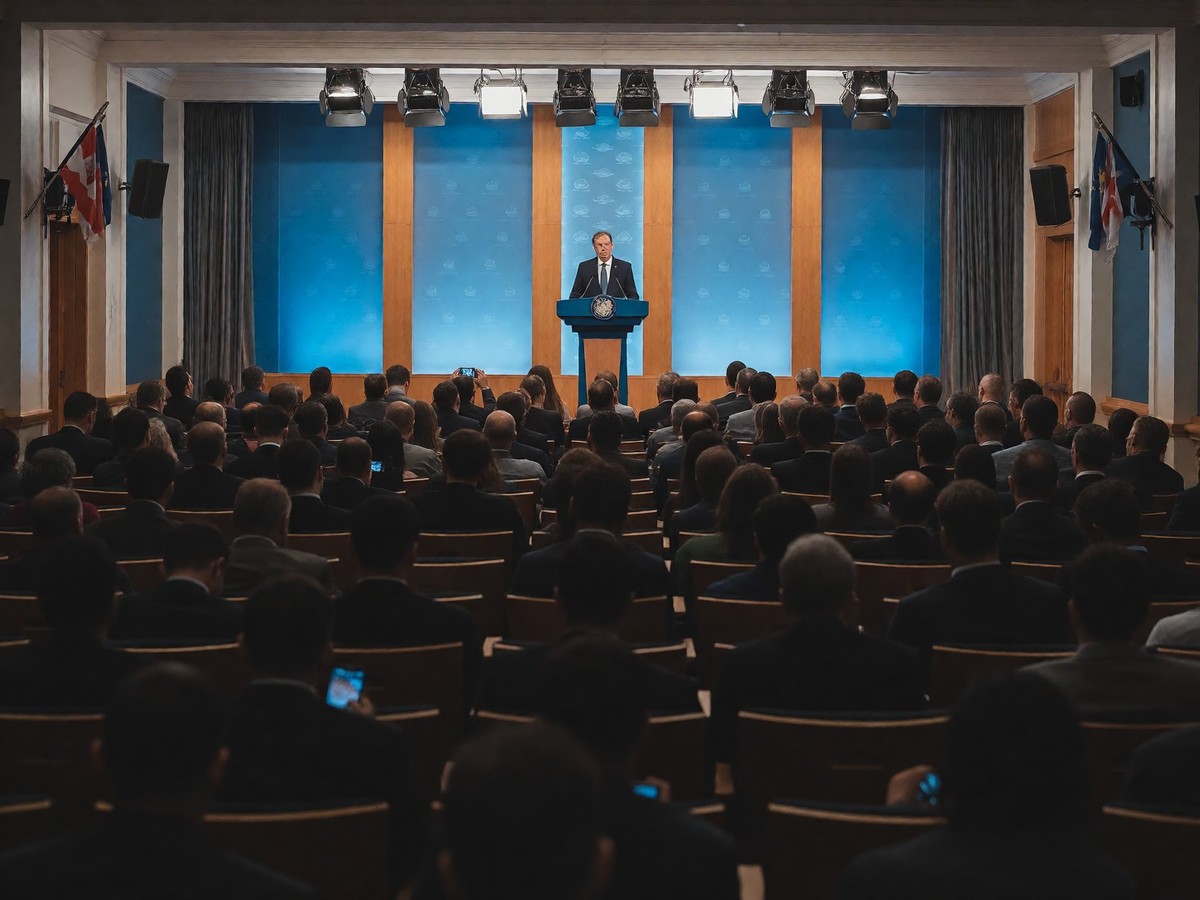
President Volodymyr Zelensky announced on Nov. 7 that further personnel decisions will follow in the Security Service of Ukraine (SBU) after senior officials were dismissed for alleged involvement with criminal gangs. He described the recent news as "frankly, disturbing, truly disgraceful, absolutely unacceptable things." The statement confirms that initial dismissals have already occurred within the agency due to these specific allegations.
Charges against the Khimprom network
On Nov. 5, Ukraine’s anti-corruption agencies charged five members of an alleged criminal group involved in protecting scam call centers, drug trafficking, and counterfeiting foreign currency. The National Anti-Corruption Bureau (NABU) identified suspects working in law enforcement, including police officials and senior SBU members. Media reports identify Andrii Osipov and Yehor Burkin as the alleged leaders of the groups. In recordings published by NABU, the two men are referred to as "Criminal" and "Mexican," respectively. Burkin is reportedly the founder of the transnational drug ring known as Khimprom.
Zelensky stated that the Khimprom group has already begun operations in Poland and plans to begin selling synthetic drugs in Germany. He emphasized that Kyiv needs support from allies to resolve the matter, noting that officials have already held talks with the United States. "I know we need our partners’ support to make that happen, particularly regarding this so-called Khimprom group," he said. The situation reflects a deepening crisis in law enforcement integrity, where internal corruption threatens national security efforts during wartime.
Retaliation and prior fallout
On Nov. 4, NABU released tapes featuring suspects contemplating physical attacks against Ukrainian journalist Denys Bihus. The planned retaliation was linked to his media outlet’s investigations into illegal businesses. These revelations expose a direct threat to press freedom stemming from the criminal network’s influence within state institutions. The pattern of misconduct extends beyond the current charges, as September investigations led to the downfall of then-Prosecutor General Ruslan Kravchenko. Kravchenko fled the country after those probes began, leaving a significant gap in prosecutorial leadership.
The dismissal of senior SBU officials marks a clear attempt to purge compromised elements from the security apparatus. However, the scale of the alleged conspiracy suggests that isolated firings may not suffice to dismantle entrenched networks. The involvement of high-ranking officers in protecting illicit operations undermines public trust in the justice system. As Ukraine continues its war effort, the integrity of its security services remains under intense scrutiny. The ongoing cooperation with the U.S. aims to address the transnational aspects of the drug ring, but domestic accountability must keep pace with international pressure.