Appointment of Gleb Desyatnikov
UN Secretary-General Antonio Guterres appointed Gleb Desyatnikov as assistant secretary-general for mine action and police in the Department of Peace Operations on Oct 27. Desyatnikov worked as Russia’s ambassador to Jordan starting in 2018, including during Moscow’s full-scale invasion of Ukraine. The UN says he has more than 35 years of experience in international relations and security affairs from previous positions at Russia’s Foreign Ministry. I find this decision a massive blunder because it places the oversight of Ukrainian demining in the hands of a Russian official. Ukrainian Foreign Ministry spokesperson Heorhii Tykhyi wrote on X on Oct 29 that "Moscow has mined the United Nations," and he added that entrusting this responsibility to a representative of the aggressor state undermines trust in the United Nations.
Explosive Threats in Kherson Oblast
The demining challenge in Ukraine is immense because Russian mines and unexploded ordnance threaten civilians and complicate the recovery of agricultural land and infrastructure. In southern Kherson Oblast, demining teams neutralized 300,691 explosive devices on the Ukrainian-controlled right bank since they started clearance operations, according to reports from the local military administration. Between Oct 22 and 28, specialists surveyed 602.8 hectares and neutralized 471 explosive devices, according to the regional military administration on Oct 29. Authorities state 74.5% of the territory designated for clearance on the region’s right bank is now clear.
| Mine Data | Value |
|---|---|
| Russian anti-personnel mine models | 13 |
| Russian anti-vehicle mine models | 13 |
| Total estimated Russian mine stockpile | 26 million |
| Contaminated Ukrainian territory | 30% |
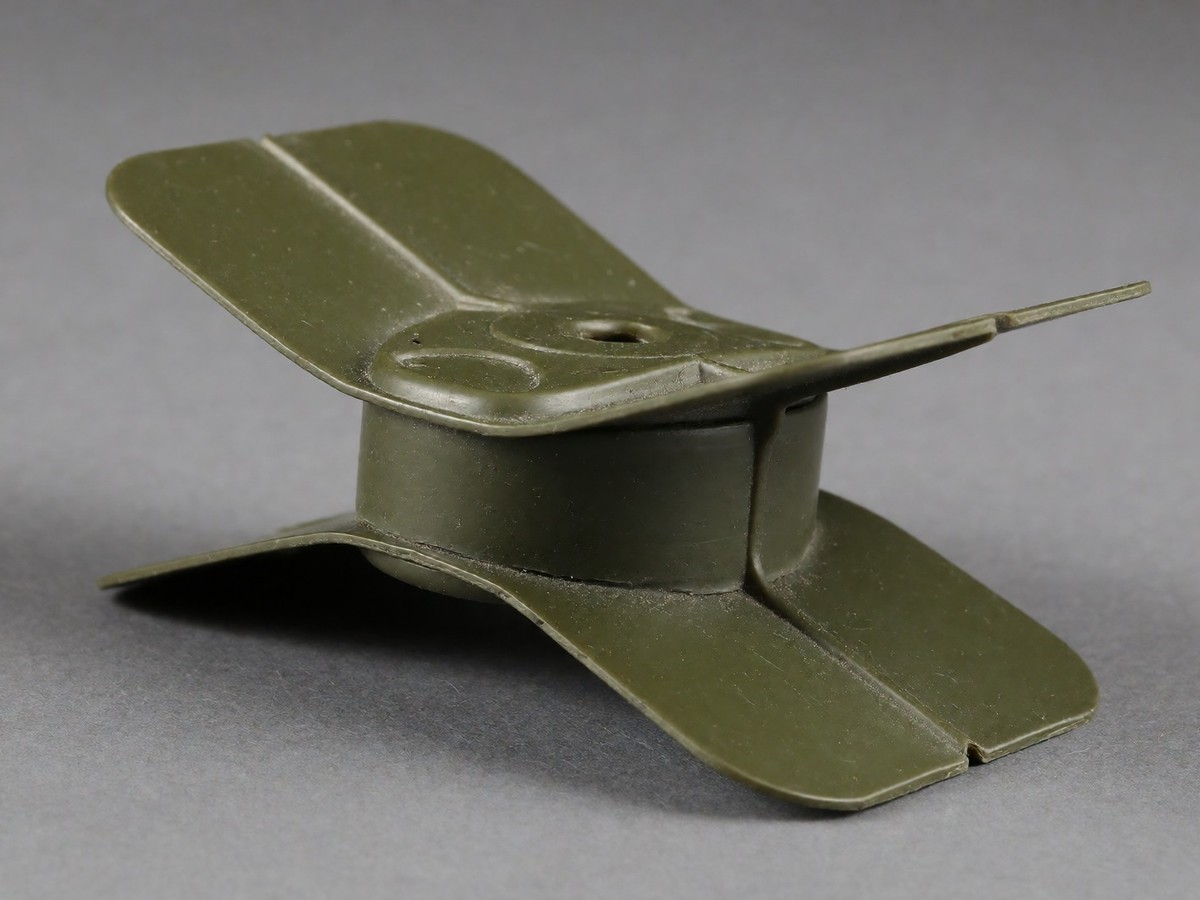
Human Rights Watch confirmed in December 2022 that Russia used 13 models of anti-personnel and 13 models of anti-vehicle landmines during the invasion. These include PFM-1 "Butterfly" mines, which are green or olive and shaped like the propeller seeds that spiral down from maple, ash, or sycamore trees. These mines became known for their injurious effects on children during the Soviet invasion of Afghanistan. Mark Hiznay, an Associate Director at Human Rights Watch, told the Kyiv Independent that Russia possessed a stockpile of 26 million mines at the start of the full-scale invasion. This stockpile was the largest in the world, according to various estimates. This contamination covers an area twice the size of Austria, and the task of clearing the 30% of the country contaminated with mines is nearly impossible.