Vadym Y. arrested in Brandenburg
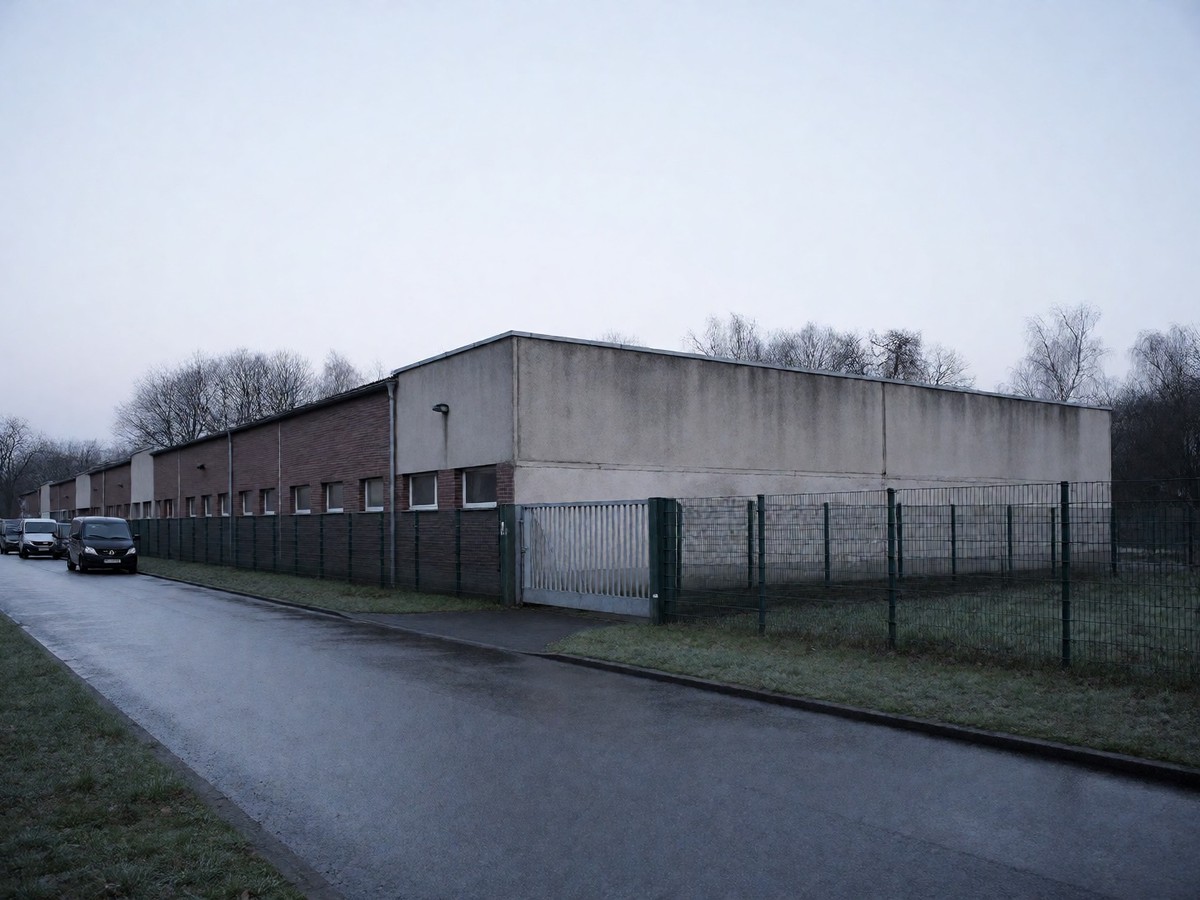
Germany’s Federal Criminal Police arrested Vadym Y. in the Oder-Spree district of Brandenburg, which surrounds Berlin, for suspected espionage on behalf of a Russian intelligence agency. An investigating judge issued a warrant on Oct. 15, leading to the arrest on Oct. 22. The prosecutor’s office states that Vadym Y. maintained contact with Russian intelligence through an interlocutor since at least July 2025. I find the scope of Vadym Y. allegedly collecting data on armored vehicle production, ammunition, explosives, military personnel, and NATO facilities on the eastern flank deeply troubling given his direct contact with Russian intelligence through an interlocutor since July 2025. He allegedly collected relevant information in connection with Russia’s war against Ukraine, including production data for armored vehicles, ammunition, and explosives, as well as details on military personnel and facilities on NATO’s eastern flank. While some information he sought was available publicly, he allegedly obtained more details by approaching people working in the European defense industry. The investigation into the case relies on information provided by Germany’s domestic intelligence service (BfV) regarding the suspect.
Increasing Russian sabotage threats
Sueddeutsche Zeitung reported on Oct. 21 that the German military classified Russian sabotage threats against its troops and facilities as "significant." This is the military’s second-highest threat classification for such activities. A defense ministry spokesperson told Reuters, "We are noting that we face a significant sabotage threat overall for [Germany’s armed forces]." This classification comes as Russia tests how far it can push Europe without triggering open war through drone incursions into NATO airspace, sabotage, and cyberattacks. Although Europe strengthened its defenses since 2022, gaps remain in air defense, communications, intelligence, and joint command. Martin Jaeger, the head of Germany’s foreign intelligence service, told lawmakers on Oct. 5 that Germany is in a "shadow war" with Russia and risks being drawn into a violent conflict with Moscow. I think the ability of a suspect to approach people in the European defense industry to gather details on armored vehicles and explosives is a clear and unsettling security failure. The reclassification of these threats shows the growing tension between European nations and Moscow.