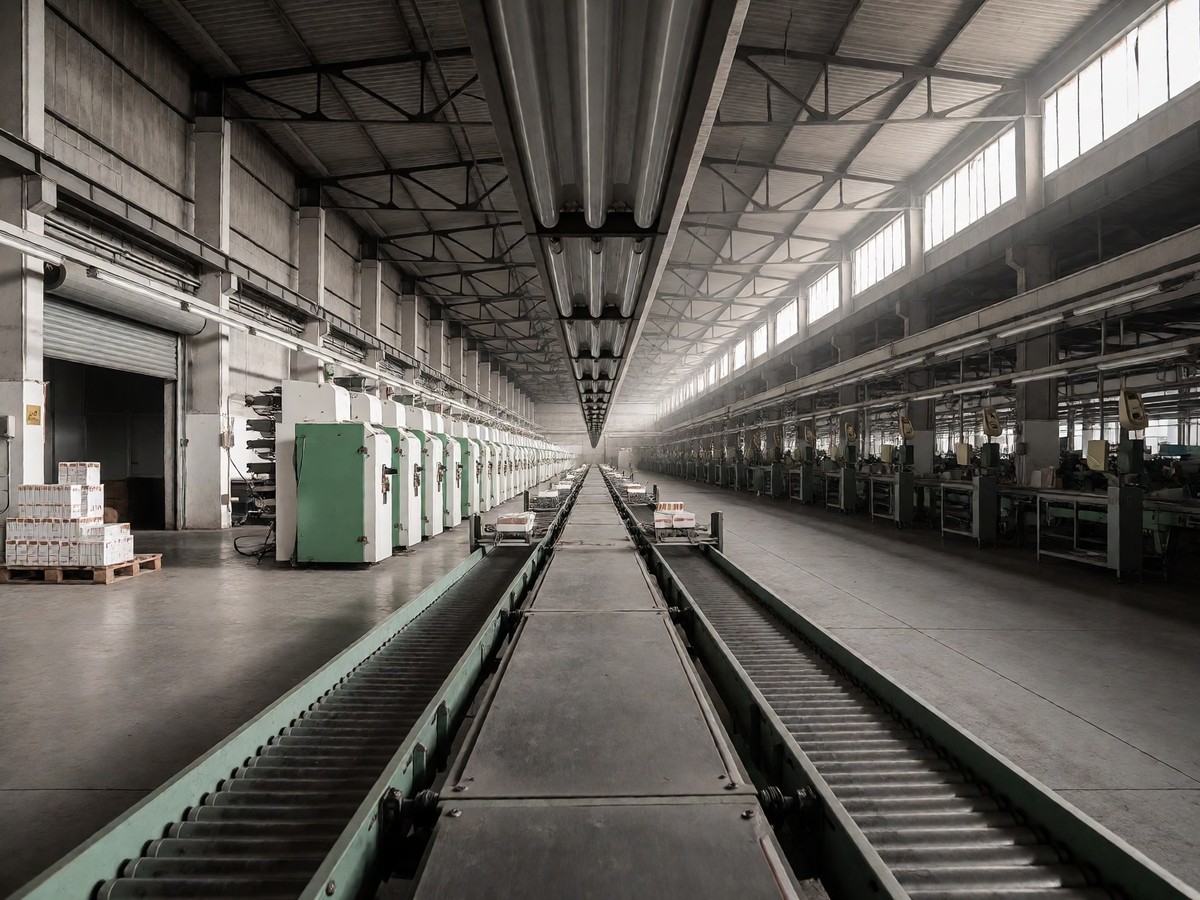
Japan Tobacco shares dropped 19.3% in Tokyo on November 6 after President Vladimir Putin signed a decree handing temporary control of the company’s Russian assets to a local entity. The tobacco maker confirmed that four of its manufacturing companies in Russia are covered by this order, which effectively strips the group of management control while it retains legal ownership. Investors rushed to sell the stock, driving it sharply below its previous closing level. The company stated it is gathering details and weighing possible responses to the measure.
Financial Exposure and Diplomatic Response
Russia accounts for roughly a quarter of Japan Tobacco’s operating profit, making this seizure a severe blow to earnings. For the year ended December 2025, the Russian market generated about 10% of the group’s JPY3.4676 trillion revenue and approximately 25% of its adjusted operating profit. Sales volume in Russia reached 59.9 billion cigarettes between January and September this year, exceeding the 46.4 billion sold domestically in Japan. The company employs around 4,000 people in the country and holds a market share of about 40%, selling brands like Winston and Camel. Finance Minister Katayama told a press conference that Tokyo had protested through diplomatic channels and urgently sought the measure’s withdrawal. Officials from the Ministry of Economy, Trade and Industry also lodged a formal protest with the Russian government, calling for the decree to be reversed.
Precedent for Asset Confiscation
This move follows a pattern established since Moscow introduced temporary management in 2023 as a countermeasure against Western sanctions. Danish brewer Carlsberg and French food group Danone were earlier targets under similar orders, and both eventually saw their Russian operations sold to Russian buyers. If the current situation drags on, Japan Tobacco faces falling sales and other damage to its business structure. The company raised its forecast for 2026 in October, citing higher cigarette prices in Russia, and expected the region to contribute a similar share of earnings as in 2025. That optimism now looks fragile given the loss of operational control. The decree leaves the company holding title to assets it cannot manage, a position that offers little protection against further state intervention or forced divestment.