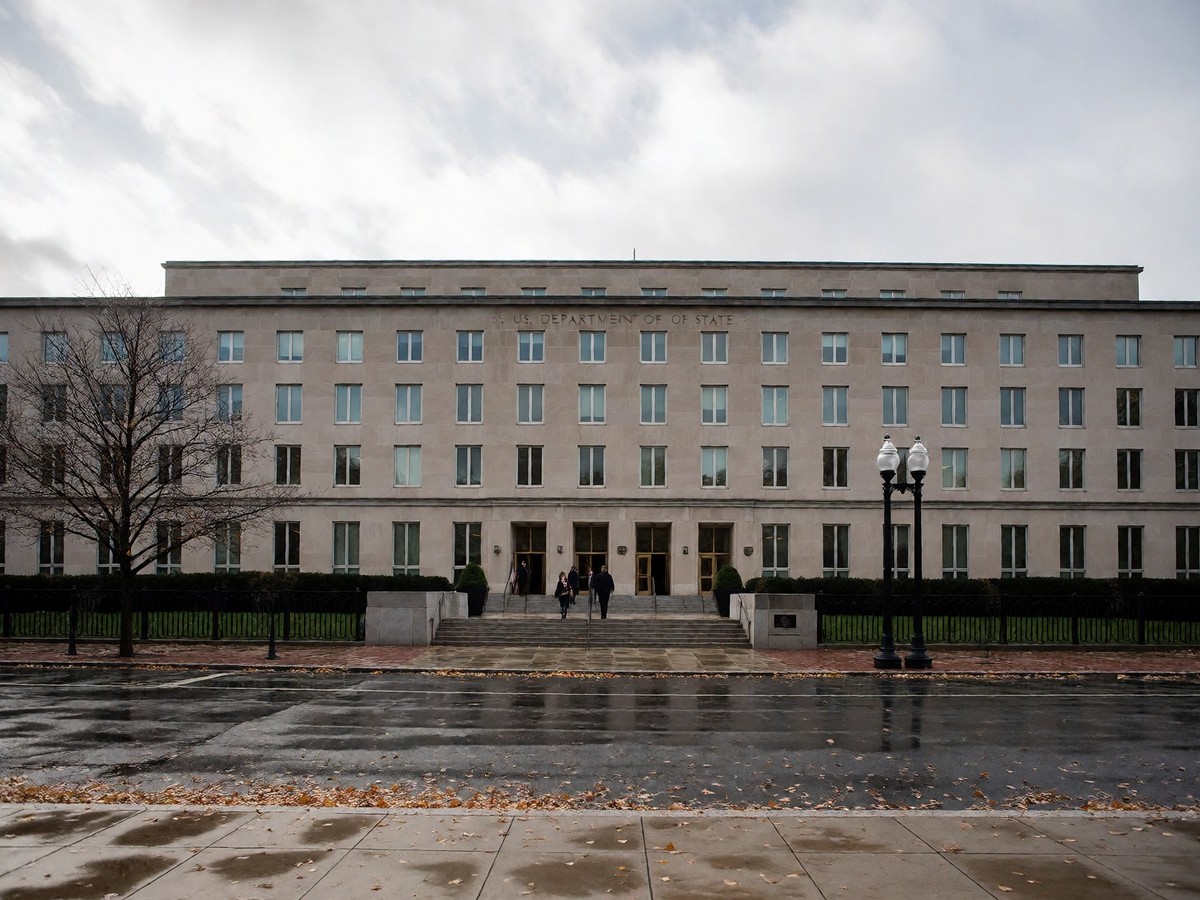
Rubio limits the scope of the war
U.S. Secretary of State Marco Rubio told India Today on Oct. 22 that the war is about the Donbas region. He said the conflict involves 11 percent of Ukraine. This framing comes ahead of November trilateral peace talks between the U.S., Ukraine, and Russia. Rubio told reporters during a state visit to India that the war is about one region of the country. He said Russia wants this part of the country but cannot take it militarily.
Russian military strikes hit every region of Ukraine, including western oblasts far from the front lines. Russia occupies parts of Zaporizhzhia and Kherson and the entire Crimean peninsula. President Vladimir Putin told the St. Petersburg International Economic Forum in June 2025 that the whole of Ukraine is his. Ukrainian forces made advances under the counteroffensive Operation Vivaldi and retook more territory this fall than Russia captured, according to President Volodymyr Zelensky on Oct. 18. Russian strikes on Oct. 23 killed eight civilians and wounded 67 people in Ukraine.
Kyiv sits roughly 500 kilometers from Donetsk Oblast. The Donbas region consists of Donetsk and Luhansk oblasts and contains the industrial cities of Sloviansk, Kramatorsk, Druzhkivka, and Kostiantynivka. Russia demands that Ukraine withdraw from Donbas entirely, rejecting a ceasefire without such concessions. Zelensky told reporters earlier this week he would support freezing the front lines to end the fighting. The war has reshaped Ukrainian society over several years.
The diesel license and the Graham Act waiver
The diesel deal began with a phone call in which President Putin seemed to persuade President Trump that Russian diesel could ease the energy prices he blamed on strikes by Ukraine. A Russian diesel tanker with 40,000 metric tons of cargo is heading for New York. This cargo covers barely two hours of American demand. The move follows a Treasury decision on Oct. 9 to issue General License 135. The license covers Russian diesel sold anywhere in the world until April 2027, giving Russian exporters six months to supply both existing and new buyers and reopening payment channels for Moscow without a ceasefire. Importers using this license risk civil penalties and the forfeiture of their ships. The 2022 import ban still prevents the U.S. from importing Russian energy until Ukraine accepts the peace agreement. This restriction means the diesel goes to global markets where the license lets traders, shippers, and banks take dollar payments without breaching sanctions.
President Trump signed the Lindsey Graham Act in September, which targeted the five largest buyers of Russian energy with tariffs of up to 100 percent. He waived these measures on Oct. 16. Russia’s biggest customers include China, India, and Turkey. India buys 37 percent of Russian crude and Turkey buys 5 percent. The waiver removes tariffs that would have hit these countries, which helps Russia secure revenue immediately.
A shift in U.S. pressure
The U.S. policy shift undermines the credibility of Washington’s sanctions. In September 2026, Russian-flagged shadow tankers more than doubled compared to the previous year. These ships carried 36 percent of the shadow fleet’s oil. The Graham Act aimed to pressure banks like Sberbank, VTB, and Gazprombank, but the waiver puts those measures on hold. Washington also urged Ukraine to stop striking Russian refineries, the same facilities that now supply the diesel its license has brought back to market.
The U.S. previously pressured India and China to buy less Russian oil by adding a 25 percent tariff on Indian goods. Trump withdrew that tariff. The diesel deal benefits Moscow more than Americans, as it provides Russia with revenue without a ceasefire or any other concession to Ukraine. Traders in the Gulf and Asia may now find it cheaper to work with Russia. Moldova’s President Maia Sandu called a Russian drone strike near a village in central Moldova on Oct. 23 a dangerous act.