Corporate profits and industrial contraction
Nearly one in five large Ukrainian companies lost money in the first nine months of 2026 as Russian strikes on power plants, railways, and ports ground down the economy. Business data service Opendatabot reported that 7,692 out of 9,532 companies with revenue above UAH100mn ($2.2mn) turned a profit, which is 81% of that group. This figure fell from 85% a year earlier. Combined revenue for these firms rose 16% to UAH11.25 trillion ($247.6bn), but combined profit rose only 4% to UAH646.72bn ($14.2bn). This growth is a fall in real terms because consumer inflation reached 11% in October. The steelmaker ArcelorMittal Kryvyi Rih posted the largest losses at UAH49.44bn ($1.09bn), while grid operator Ukrenergo lost UAH18.09bn ($398mn) and state railway Ukrzaliznytsia lost UAH9.71bn ($214mn), as these three sectors are primary targets. The country’s GDP fell 0.7% y/y in the third quarter, and the government cut its growth forecast for this year to 0.1% from an earlier projection of 1.6%, on the assumption that intense Russian attacks continue through the first half of next year. Raiffeisen Research expects the economy to shrink 0.6% in 2026, with a 1.2% y/y drop in the fourth quarter. Retailers face thinning margins as ten attacks on October 13 destroyed about 85% of the inventory at Epicentr’s last big logistics centre in Khmelnytskyi.
Infrastructure and agricultural export collapse
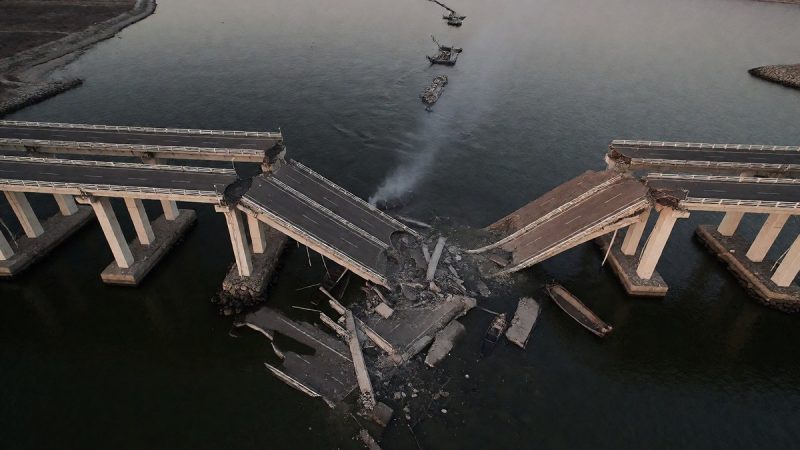
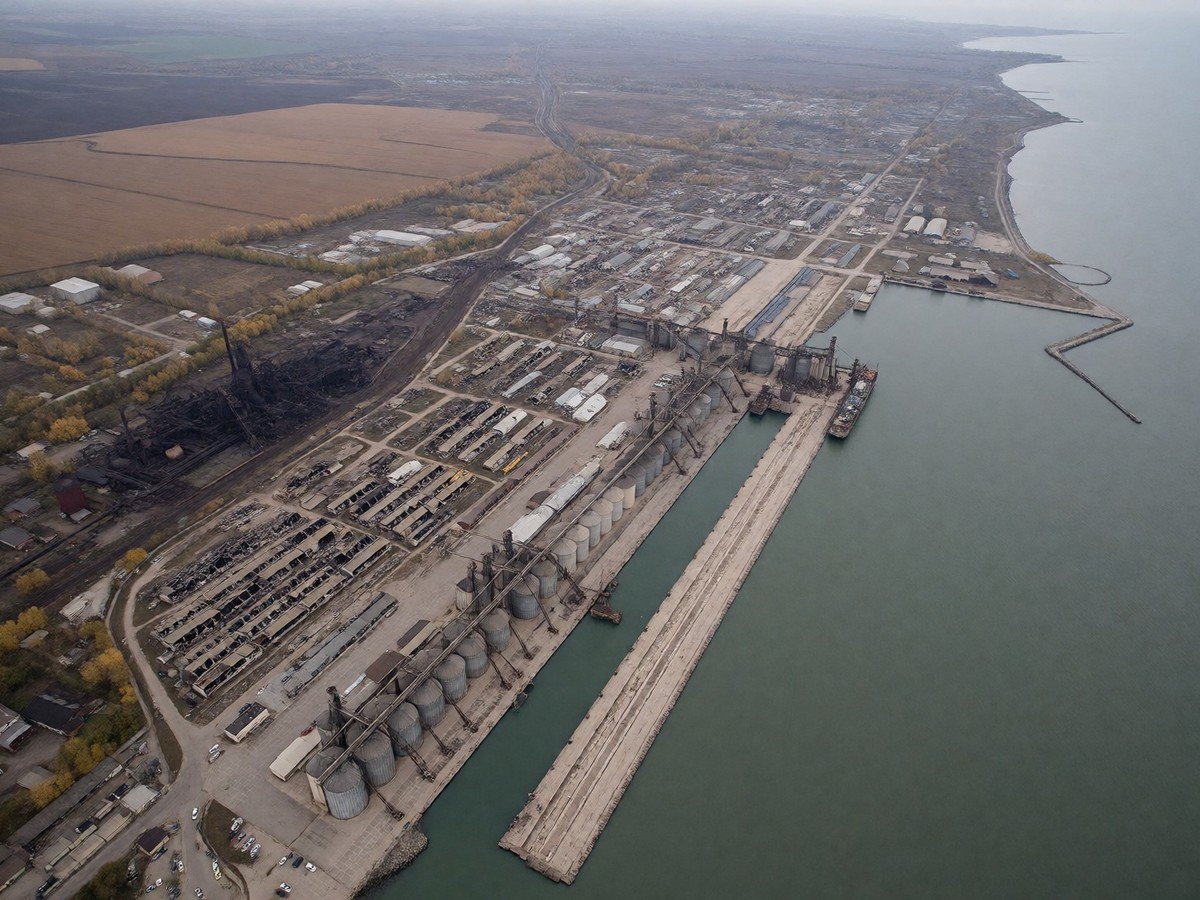
Infrastructure strikes crippled energy and transport capacity throughout 2026. Ukraine’s generating capacity dropped to about 12 GW by the summer from 54.5 GW before the invasion, leaving a 5-6 GW deficit at peak demand. Infrastructure Minister Mykola Kalashnyk told parliament on November 13 that Ukraine lost 630 locomotives to Russian attacks since February 2022, including nearly 400 of them this year. Rolling stock faced almost 15 attacks since the start of November alone. The rail industry also faces a shortage of wagons that pushed rental rates at Ukrzaliznytsia auctions to UAH60,000 ($1,320) per car per day, according to Serhii Labaziuk, owner of agricultural company Vitagro. Attacks on Kyiv’s bridges also disrupted transport, as missiles hit the Pivnichnyi Bridge on November 7 and attacked city bridges again on November 16, after which traffic on the Pivnichnyi and Pivdennyi bridges was suspended. Agriculture suffers as the Black Sea blockade and broken export routes prevent farmers from selling crops. Serhii Labaziuk said Ukraine may export only 30-35% of its farm output in 2026 against projections of 50-60%. Grain purchase prices fell by an average of 40% since mid-July, while malting barley lost nearly half its value. Kernel, the largest sunflower oil producer, shut all eight extraction plants in November after Russian drones hit food-processing sites. Semen Haharin, chief executive of honey exporter Beehive, expects 45,000-55,000 tonnes of shipments worth more than $150mn this year, though honey exports could fall 5-10% in 2027 as trucking costs rise 30-50%.
| Economic Indicator | Data Point |
|---|---|
| Large company profit growth | 4% |
| Consumer inflation (October) | 11% |
| GDP growth forecast (2026) | 0.1% |
| Wheat export change (first 10 months) | -17% y/y |
| Steel output change (September) | -78.5% y/y |
Trade deficit and Russian resilience
The trade deficit hit a record $7.0bn in September as imports of military and energy equipment and fuel swelled. Merchandise exports fell 13% y/y in the third quarter, and the government expects exports of goods and services to fall 1.9% this year to $52.9bn. Russia remains in a stronger economic position despite Ukrainian strikes. The Bank of Russia expects GDP to grow by up to 1% this year, although Governor Elvira Nabiullina said on November 12 that the loss of production capacity to attacks cost Russia growth. Russian oil export earnings jumped 65% y/y to $21.15bn in October. Ukraine’s steel industry remains 90% idle following missile strikes on blast furnaces in early September. ArcelorMittal Kryvyi Rih began a cold shutdown on October 11 and will stay mothballed until the war ends, while Metinvest plans only a gradual restart of Zaporizhstal and Kametstal after 27 ballistic missiles hit them in three months. The steel industry, which accounted for 7% of GDP last year, is now leaving builders about 200,000 tonnes of rolled steel a month short. Consolidated tax revenues rose 19.3% y/y in January-August to UAH1,982.1bn ($43.6bn), but the state budget’s general fund took in UAH2,487.3bn ($54.7bn) in January-September, falling 8.5% short of its schedule.