Real-world violence in European cities
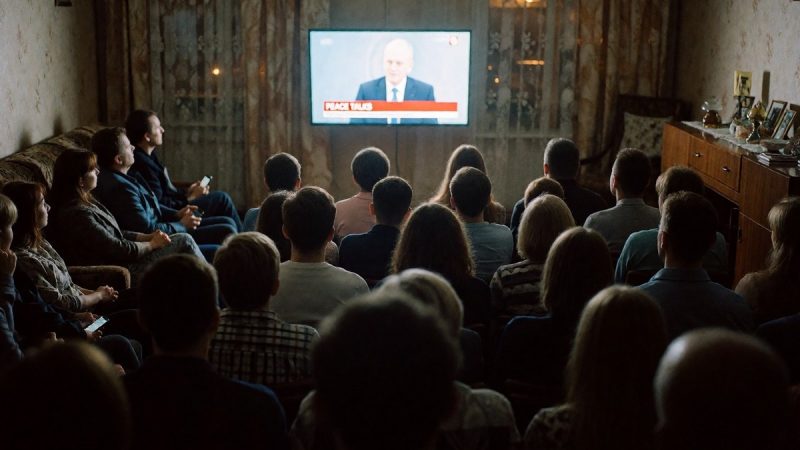
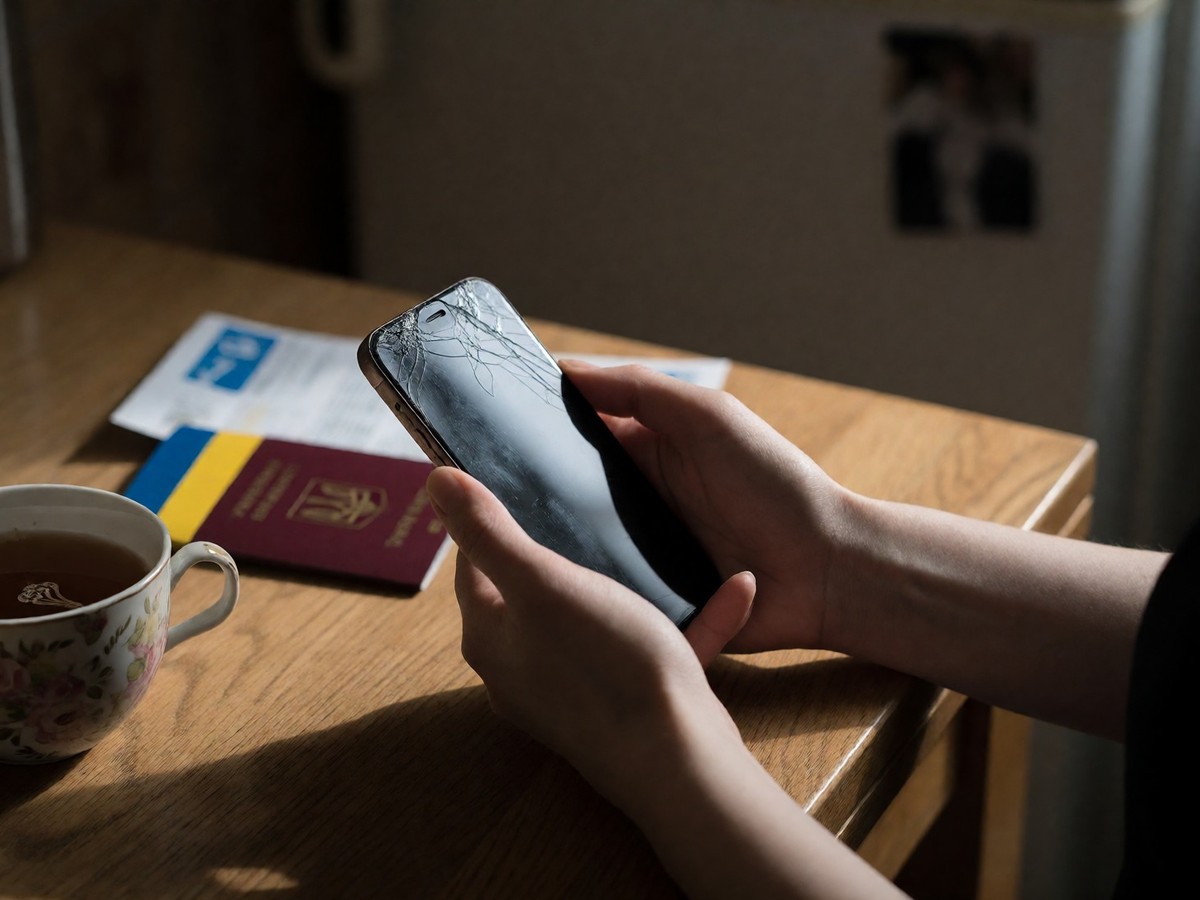
The "Dealers of Hate" documentary by The Kyiv Independent’s War Crimes Investigations Unit effectively connects political rhetoric to physical violence against Ukrainian refugees in Germany, Czechia, and Poland. I find the investigation into street-level aggression particularly damning. On August 24, 2024, near the Brandenburg Gate in Berlin, Eva Yakubovska and Vladyslava Vorobiova faced a man with a knife during a rally for Ukraine. The attacker eventually cut his own arms and chest after noticing the women saw him, yet German police did not log the incident initially. In June 2025, Kateryna Lebed faced a physical assault in Prague where a local man shouted insults, blew smoke in her face, shoved her, and eventually grabbed her and threw her hard onto the road. Czech law enforcement arrested Patrik Slastan, who received 20 months in prison for the assault, having previously attacked two Ukrainian women in 2023. In Warsaw, Oleksandra Iwaniuk heard a man shout "Russian whores" on a tram while she spoke Ukrainian with a friend. Yakubovska also noted that a head of logistics for their organization had a home broken into, an incident the police never logged. Police eventually told the women the attacker had a mental illness and would undergo rehabilitation. In Poland, media reported cases in the summer of 2026 where a man in Gdansk attacked two fellow Poles after mistaking them for Ukrainians, breaking one person’s arm.
Digital and statistical evidence
The Kyiv Independent analyzed 98,000 substantive posts from a pool of 140,000 collected from X between summer 2024 and summer 2025 using an AI model. I think the scale of the digital campaign is obvious from these numbers. In Germany, 1,000 posts accused Ukrainians of Nazism, while 25% of the 12,000 German-language posts analyzed alleged that refugees strain the welfare system. In Czechia, 2,500 of the 23,000 analyzed posts claimed Ukrainians bring danger to the country. German police statistics show that of 139 politically motivated crimes against Ukrainians, 137 involved physical assault.
| Country | Analyzed X Posts | Reported Attacks (as of specified dates) |
|---|---|---|
| Germany | 12,000 | 139 politically motivated |
| Czechia | 23,000 | 129 since 2022 |
Human rights organization In Iustitia documented 129 anti-Ukrainian attacks in Czechia since 2022 as of early 2026. This figure is roughly half of all hate-motivated violent incidents in the country. A PAQ Research study cited by In Iustitia director Klara Kalibova found that 57% of Ukrainians in Czechia experienced verbal abuse and 5% faced physical attacks. These figures translate to approximately 216,000 people experiencing verbal abuse and 19,000 experiencing physical attacks. In Poland, social media users frequently call Ukrainians "Banderites" or "Nazis," referencing ethnic conflicts from the 1940s. Professor Rafal Pankowski noted that describing the presence of 1 million refugees in a 40 million person country as "Ukrainianization" is absurd.
Political exploitation of fear
Prominent political figures in Germany, Czechia, and Poland have used anti-Ukrainian narratives as part of their campaigns. In Germany, Alice Weidel of the Alternative for Germany (AfD) campaigned against sending money or weapons to Ukraine in July 2026. Tino Chrupalla, also with the AfD, claimed 700,000 Ukrainians receive Buergergeld, although official statistics show only 200,000 able-bodied Ukrainian recipients of the benefit are unemployed. In the Czech Republic, Andrej Babis claimed during 2025 parliamentary election debates that refugees placed an excessive burden on the state budget. Tomio Okamura of the Freedom and Direct Democracy party (SPD) promoted anti-Ukrainian rhetoric, even removing the Ukrainian flag from the parliamentary building in November 2025. In Poland, Karol Nawrocki, the winner of the 2025 presidential election, used a video captioned "Ukrainians – to the back of the line" to argue that Polish citizens should have priority in clinics and kindergartens. This rhetoric intensified after Nawrocki clashed with Ukrainian President Volodymyr Zelensky this summer and revoked his Order of the White Eagle. Grzegorz Braun of the Confederation of the Polish Crown launched the slogan "Stop the Ukrainianization of Poland!" and was elected to the European Parliament in 2024. American researcher Susan Benesch said that if you want to make people condone or commit violence, you want to make them afraid.