Infrastructure damage and missile waves
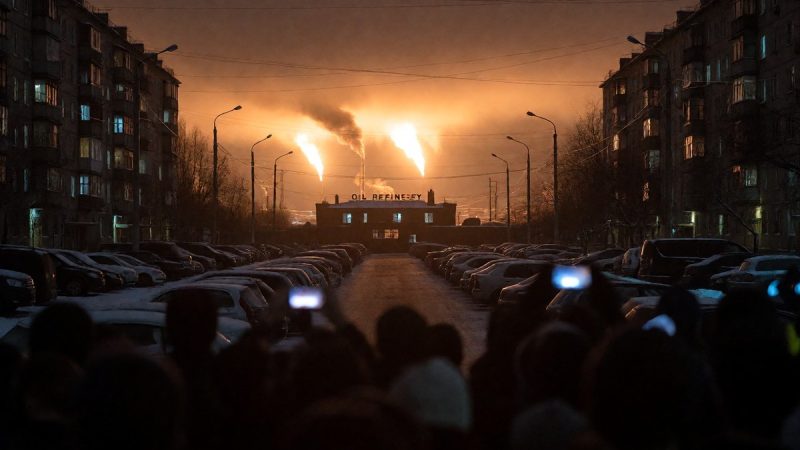
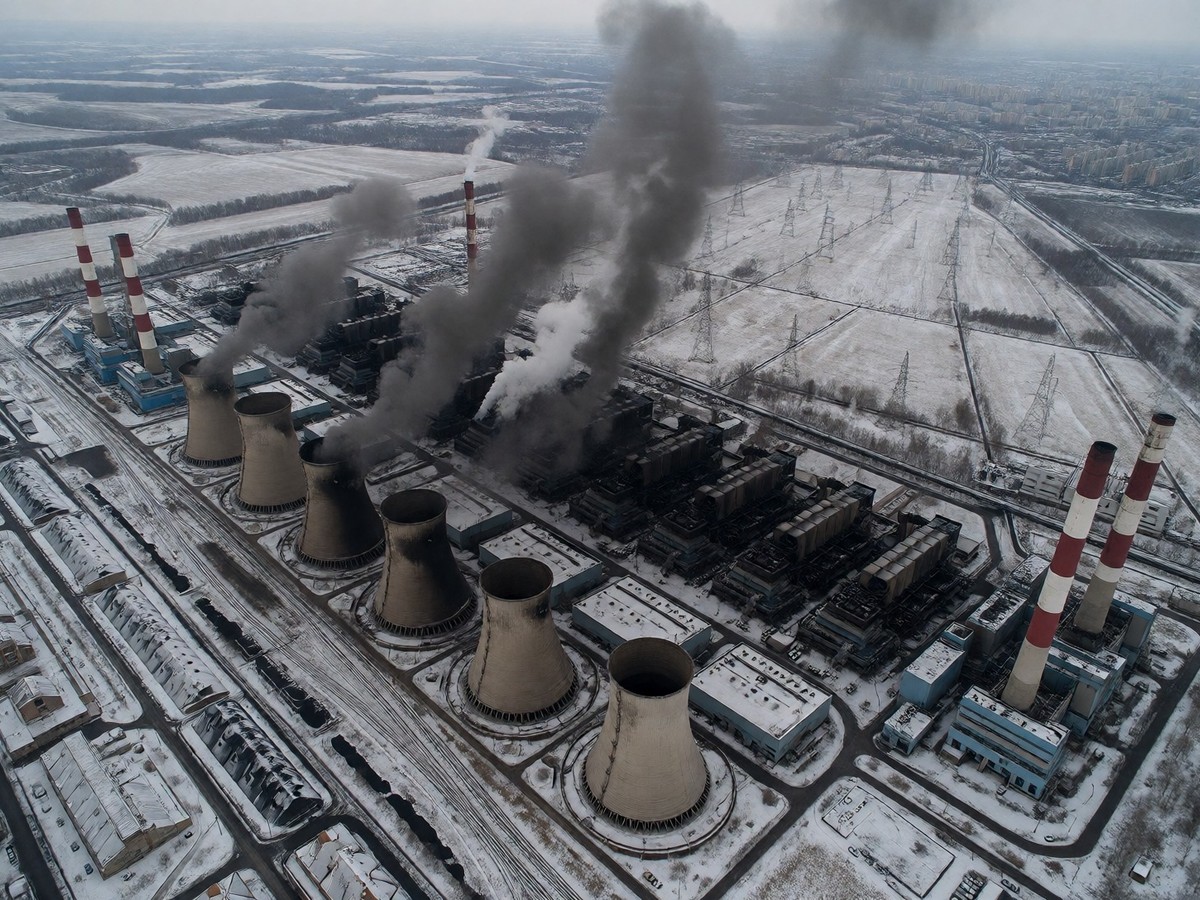
Russia hit substations, transmission systems, and power plants across 10 oblasts on Nov. 3, cutting off power to households across the country. Vitalii Zaichenko, CEO of Ukrenergo, told the Kyiv Independent that officials recorded one of the largest waves of Russian ballistic missiles targeting critical infrastructure, alongside the use of cruise missiles, jet-powered drones, and propeller-powered drones. The Energy Ministry reported that Russia struck energy infrastructure more than 20 times in the last day alone, involving a high volume of munitions. DTEK, the country’s largest private energy firm, reported "significant damage" to equipment and infrastructure at three of its thermal plants, which halted all operations at those sites. Russia launched dozens of missiles and drones in several waves of attacks, according to a DTEK press statement, which described the heavy strikes. DTEK did not name the locations of the plants for security reasons. The attack is still ongoing at the time of publication.
| Attack Details | Data |
|---|---|
| Targeted oblasts | 10 |
| Weapon types | Ballistic, cruise, jet drones, propeller drones |
| DTEK impact | 3 thermal plants |
| Daily strikes | Over 20 |
Regional outages and winter vulnerability
The Energy Ministry recorded extensive damage to energy infrastructure in Vinnytsia, Zhytomyr, and Kharkiv oblasts, which are major regions for power distribution. Power outages hit the capital, Poltava, Sumy, Chernihiv, Cherkasy, and Kharkiv oblasts. Kyiv is particularly vulnerable because officials failed to prepare the city to the fullest extent earlier this year, especially as Russia attempts to cut the capital off from power supplies. This mass attack comes as the government prepares for another energy crisis following the hardest wartime winter in 2025-2026, a period that saw millions of people living without heating and power in subzero temperatures. Since the end of summer, Russia has renewed its mass attacks on Ukraine’s energy facilities in the lead-up to winter. Many residents started leaving the capital because of the new attack methods and fears of another harsh winter following the destruction. The strike hits during a time when energy supplies are already stretched thin. The scale of this assault is clearly the worst of the year.