Death and injury in Kozyatyn district
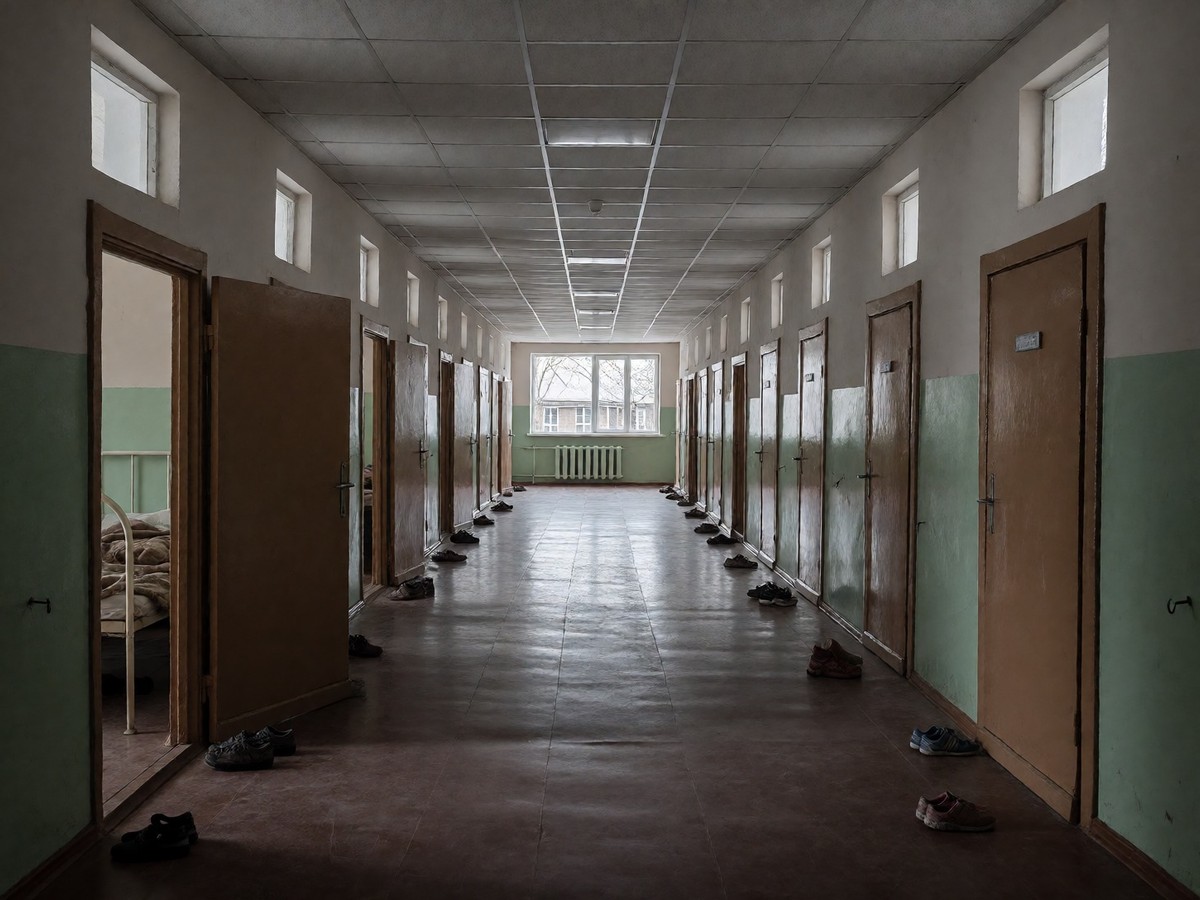
A Russian drone strike on the grounds of a vocational school dormitory in Vinnytsia Oblast killed two people on Nov. 1. The attack killed a 13-year-old girl and injured six others. The injured include three 5-year-olds, a 16-year-old boy, and a 24-year-old man. One 5-year-old remains in the hospital in serious condition. Vinnytsia Oblast Governor Natalia Zabolotna said the strike occurred between the dormitory building and a school building in the Kozyatyn district. The dormitory currently houses internally displaced people escaping the war. The drone strike also set two cars ablaze before first responders extinguished the fires. Photos from authorities show responders tending to a victim on a playground.
Pattern of infrastructure strikes and military losses
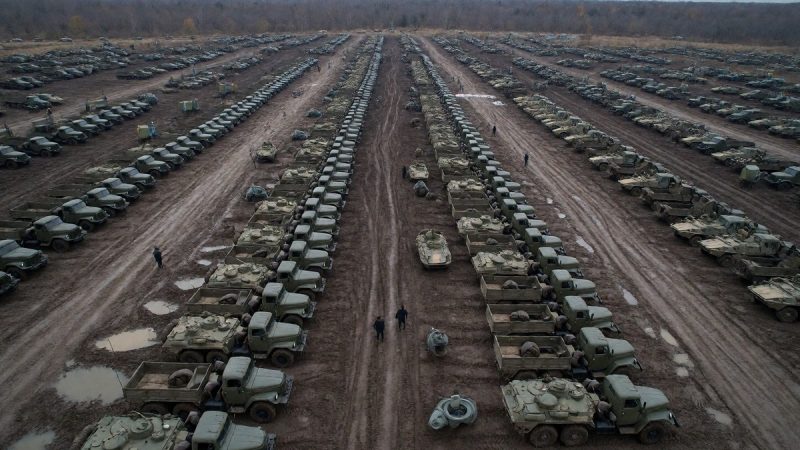
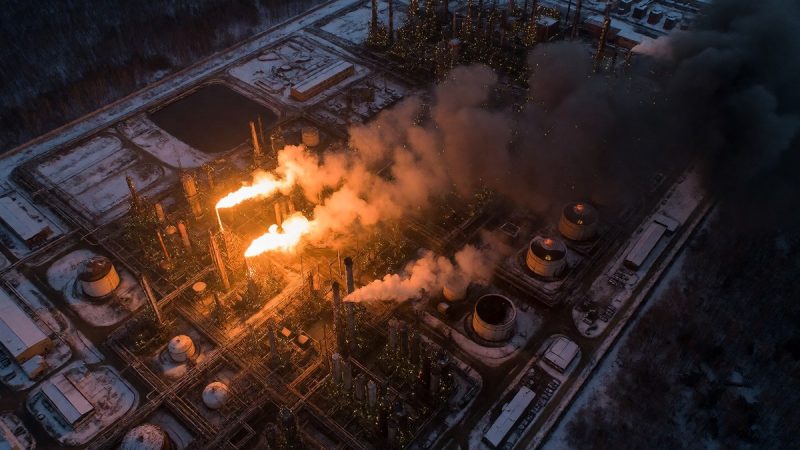
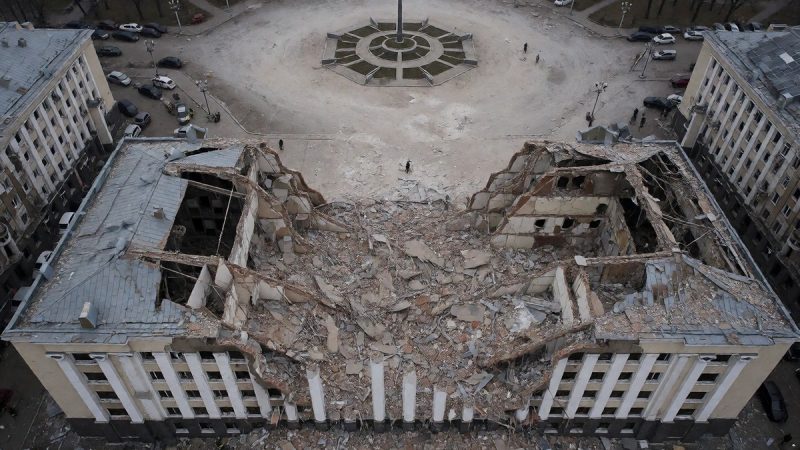
Russian forces regularly target civilian infrastructure across Ukraine. On the morning of Oct. 29, a Russian strike hit a train platform at the Dnipro railway station, killing at least 15 people and wounding at least 14 more people. President Volodymyr Zelensky said the Russians used a drone to attack a platform where a regular commuter train and a regular passenger train were standing. He called the strike a "horrific Russian attack on Dnipro train station." While the drone strike in Vinnytsia hit a dormitory for displaced people, President Zelensky noted that a separate Russian attack on a Pantsir-S2 system and a command and control vehicle belonging to the S-400 Triumph system caused an estimated $70 million in damage. Russia also continues a campaign against the Ukrainian energy grid ahead of winter. This campaign targeted infrastructure in at least four regions overnight and injured three workers from the Ukrainian energy company DTEK. According to data from the General Staff, Russian forces’ estimated losses reached 54,400 soldiers in October, including 2,100 casualties suffered over the past day. Zelensky also spoke of Russian attacks on Ukrainian clergy, stating that over 800 institutions have been damaged. Foreign Minister Andrii Sybiha called on governments to deny Russian players entry to their territory. U.S. Secretary of State Marco Rubio expressed uncertainty about whether a negotiated peace deal between Ukraine and Russia is possible during a G20 foreign ministers meeting on Oct. 31.
Temporary calm in Kherson
The ongoing strikes in Vinnytsia contrast with a temporary ceasefire in Kherson Oblast. From Oct. 27 until 11 p.m. on Nov. 1, Russian and Ukrainian forces observed a ceasefire to facilitate a U.S.-mediated humanitarian mission to the occupied city of Oleshky. During this time, Kherson Oblast Governor Oleksandr Prokudin reported that attacks and casualties were not recorded. Residents in the city walked the streets without the fear of death from Russian glide bombs, artillery, and drones. Thousands of locals returned to their hometowns to inspect homes or collect personal belongings. Markets once almost abandoned returned to life, and city workers used the time to repair critical infrastructure. However, landmines dropped by Russian forces across the river continue to present a threat, as seen when the death of Marines press officer Volodymyr Obertas occurred on Oct. 28. In the neighborhoods closest to the river, the round-the-clock threat of Russian drones usually makes civilization disappear. Iryna Leonova told the Kyiv Independent outside a supermarket that life simply returned. She said people can just feel calm and walk around or ride a bike. Inna Sapai, who moved to a safer part of Kherson, checked on her home in the Ostriv neighborhood. Sapai said the sense of movement in the city feels strange. She noted that before the ceasefire, any fleeting moment of quiet weighed down on her, but the silence now lifts her mood. Local resident Natalia said the feeling of how temporary the quiet will be hangs over the city. She noted that even though many people returned, residents will leave again in just a few days.