Drones hit western oblasts
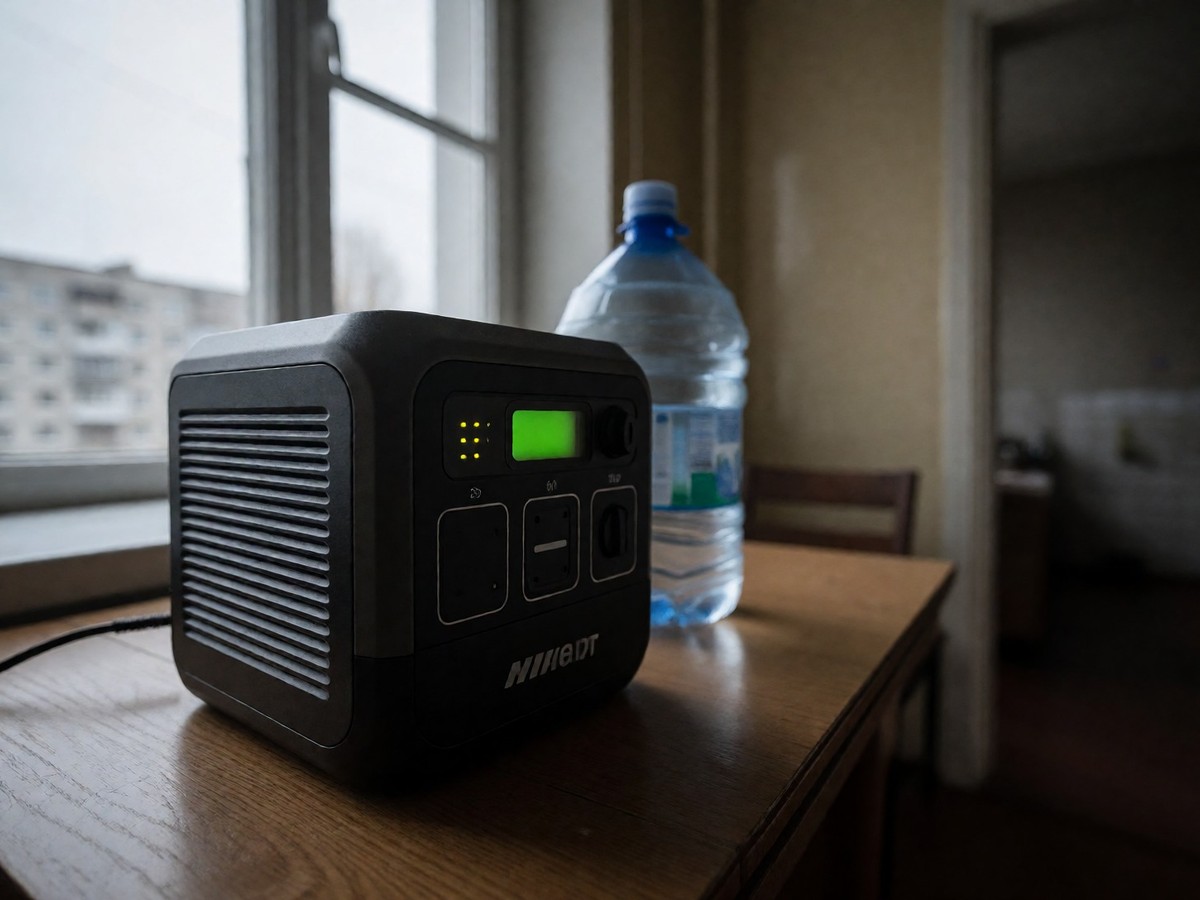
Andrii Mazur, a 24-year veteran with the State Emergency Service in Volyn Oblast, responded to disaster areas eight times in seven days as Russian jet-powered drones hit western Ukraine. These Geran drones travel faster than conventional versions and make interception harder. Russia expanded use of these drones in recent weeks, targeting regions far from the front line like Volyn and Rivne. On October 14, a drone strike in Lutsk killed six people and injured 12, damaging a food warehouse and a residential building. That same day, strikes in Rivne injured eight people, following an attack on a university building the previous day that injured 25. Kateryna Kovalchuk, who moved from Kyiv to Lutsk with her two children to find a safer place to spend the winter, watched a blast wave shatter a neighbor’s window this week. She says the illusion of peace in Lutsk has vanished as drones cross the sky constantly. Kovalchuk now prepares for potential power outages by storing water and charging a power station. If heating fails this winter, she may move to her mother’s village near the Belarusian border, though she recently saw a drone flying low over the houses there. Mazur, who has family in Lutsk, faces the agonizing task of retrieving victims from strikes. He recalled the sorrow of families gathering to identify loved ones after a strike on a commercial storage facility killed six individuals.
Schools adapt to air alarms
Lutsk Mayor Andrii Razymovskyi moved the autumn school break forward on October 21 because of heightened security risks. Oksana Shchyboruk, the biology teacher and deputy director at Lutsk Lyceum No. 4, says that continuous disruptions to the curriculum hinder regular classes. Students at the Lyceum use a blended instructional model, choosing between physical attendance and remote learning. Educators try to teach during brief lulls between alarms, while students on campus must constantly retreat to shelters. "Sometimes we have normal classes, but on certain days, our time was mostly spent repeatedly moving back and forth between the classrooms and the shelter," Shchyboruk said. In the city center, a drone strike on October 23 caused a deafening blast that sent pedestrians running for shelter. This attack also left much of Lutsk without electricity. Hours before the blast, a convoy carrying a fallen Ukrainian soldier passed down the main street, where residents stepped out of cafes to pay their last respects. Olga Paliona, a researcher who moved to Lutsk in the summer of 2026 from Kramatorsk, also faces these dangers. She previously dealt with FPV drones in Donetsk Oblast that forced residents to hide indoors all day.
Relative safety in the west
Lviv, an hour from the Polish border, faces increasing psychological pressure as Russian drones probe the city. IT specialist Anastasiia Polianska-Maherovska says she must center her daily routine, including doctor visits and grocery shopping, around air-raid alerts. Her husband, Dmytro Maherovskyi, notes that power cuts cause economic pressure even when drones miss their targets. Vira Kostenko-Kuznietsova, a media expert living in Lviv with her husband and 10-year-old son, says the increasingly heavy attacks are the reality of war. Chernivtsi, near the Romanian border, remains less immediate, but a Russian drone and missile attack in July 2025 killed five people. Oksana Kudria, a psychotherapist who fled Russian-occupied Kherson in spring 2022, finds the city’s cultural heritage attractive. Iryna Kolomiets, who fled Vyshneve three months ago after a Russian attack on an ammunition warehouse killed nine people and damaged hundreds of homes, hopes to return home by spring. She remains uncertain about her return, but she finds Chernivtsi’s atmosphere magical.