The campaign fails to disrupt European stability
Russian sabotage attacks across Europe increased by 16% over the past year, but the campaign has failed to achieve "a strategic effect," according to an International Institute for Strategic Studies (IISS) report published on Nov. 26. While arson and explosives use roughly doubled, European defense spending rose by 12.6% in 2025. The report says Russian intelligence services (RIS) direct these operations through proxies that range from inexperienced recruits to sophisticated attackers that use improvised explosive devices with timed or remote detonators. Germany and Poland remain the most targeted states because their transport and industrial networks play a major role in supplying Ukraine. Although European nations have expelled Russian intelligence officers and closed consulates to stop these activities, the IISS reports that such measures have failed to deter Moscow from using sabotage as a tool of its foreign policy. This campaign occurs as pressure mounts across Europe to scale back military and financial support for Ukraine. The IISS warned that some Russian proxies are becoming increasingly capable, and while arrests can disrupt these networks, they are unlikely to deter the Russian intelligence services directing them.
Attacks on infrastructure and false-flag threats
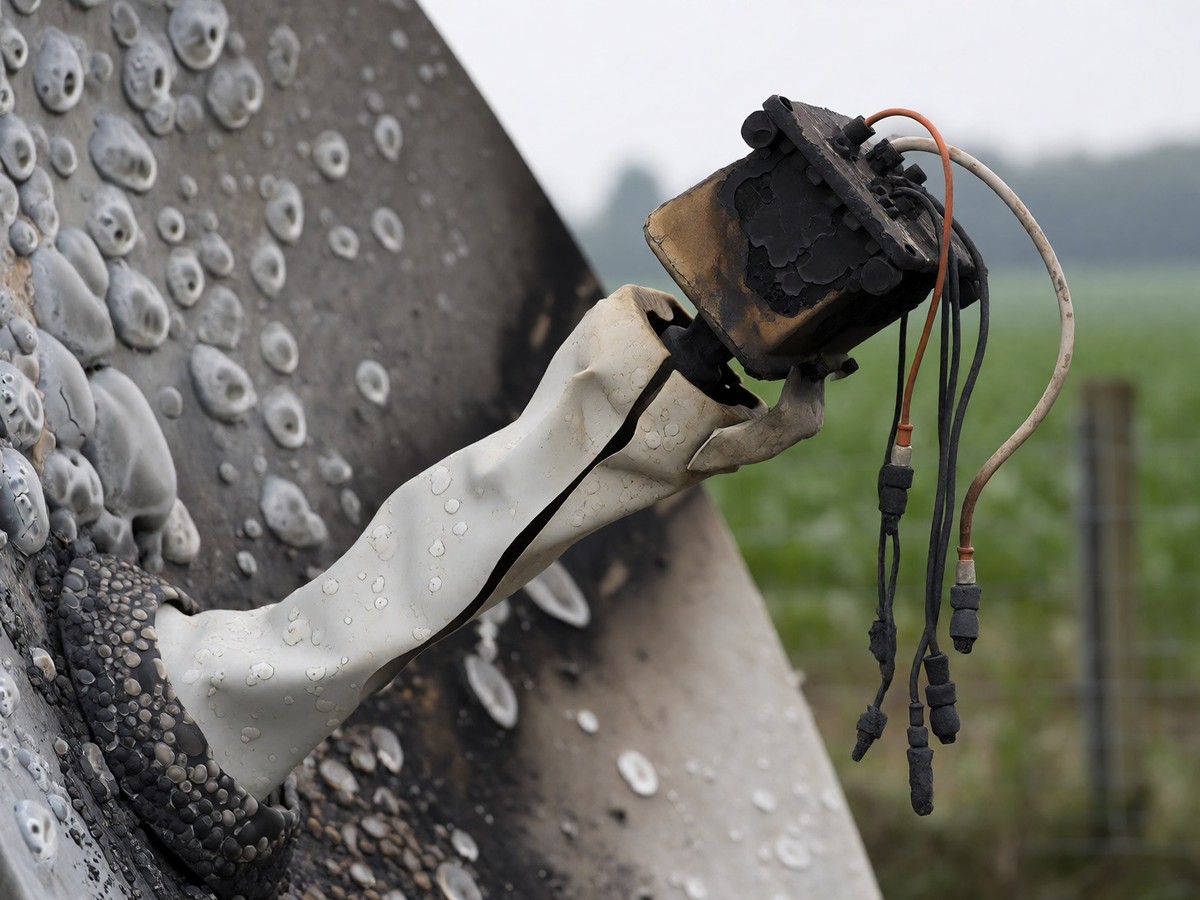
Attacks on military-industrial and transport facilities accounted for more than half of all recorded incidents between October 2025 and September 2026. These operations frequently target Starlink infrastructure to disrupt logistics and ground stations.
| Date | Location | Details |
|---|---|---|
| Sept. 23 | Poland | Masked individuals set fire to a Starlink ground station |
| Oct. 9 | Bulgaria | Reported attack on Starlink infrastructure |
| Oct. 13 | Germany | Two Turkish citizens arrested at Poland’s request |
| Oct. 18 | Lithuania | Reported attack on Starlink infrastructure |
On Nov. 18, Rzeczpospolita reported that Russia planned a high-casualty false-flag attack near the Polish border with Kaliningrad to blame Ukraine and undermine Western support for Kyiv. A mass-casualty incident remains possible as the space for miscalculation narrows. During a special European Council in Brussels, French President Emmanuel Macron stated, "Abandoning Kyiv would put European security at risk." German Foreign Minister Johann Wadephul also reaffirmed Germany’s commitment to Ukraine on Nov. 26, cautioning against the geographical expansion of the war. Poland, Germany, Lithuania, and Bulgaria planned to form a joint investigative team to probe these arson attacks, according to RMF24 on Nov. 23. These incidents in Poland, Bulgaria, Germany, and Lithuania demonstrate how Russia uses unconventional tactics to challenge NATO. The IISS concluded that Russia’s unconventional war on Europe has so far failed in its strategic purpose.