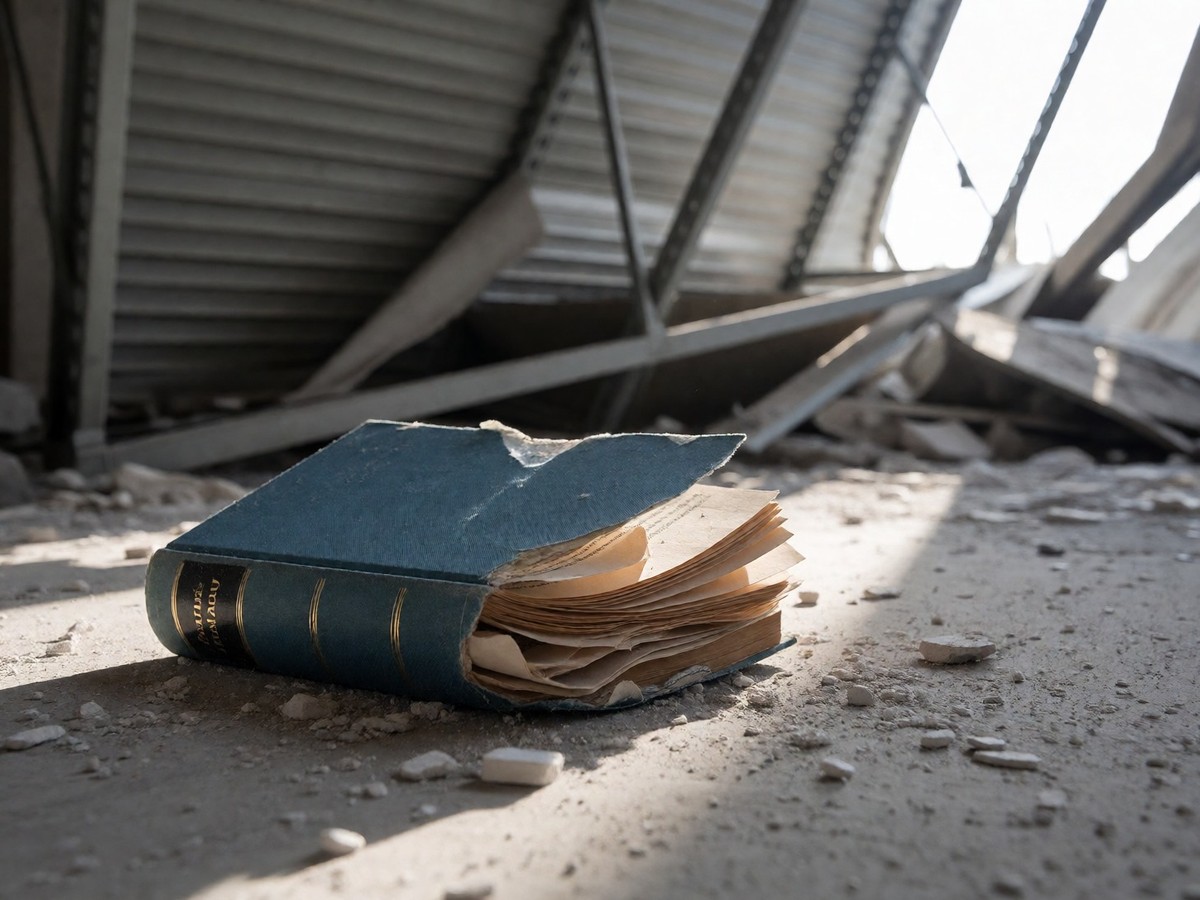
The Ukrainian publishing house KSD announced on October 27 that Russian strikes hit its warehouse in Kharkiv. This attack delays planned book releases scheduled to begin in November. No employees were injured during the attack, according to the publisher. I find the timing particularly sharp because the strike coincided with the Day of Ukrainian Writing and Language, a national holiday for the country’s literary heritage. KSD has not yet assessed the full extent of the damage to its warehouse stock. The disruption to KSD’s planned releases follows a pattern of Russian strikes on printing facilities and warehouses that destroyed more than 13 million books during the summer months of this year alone. The Culture Ministry announced a $500,000 fundraising initiative on September 21 to provide grants for independent Ukrainian publishers struggling with financial losses. KSD says every order placed is a "significant contribution" to their shared endeavor to share stories. The company urges customers to buy books in their stores or order them online via their website to support the industry.
Konotop faces energy crisis
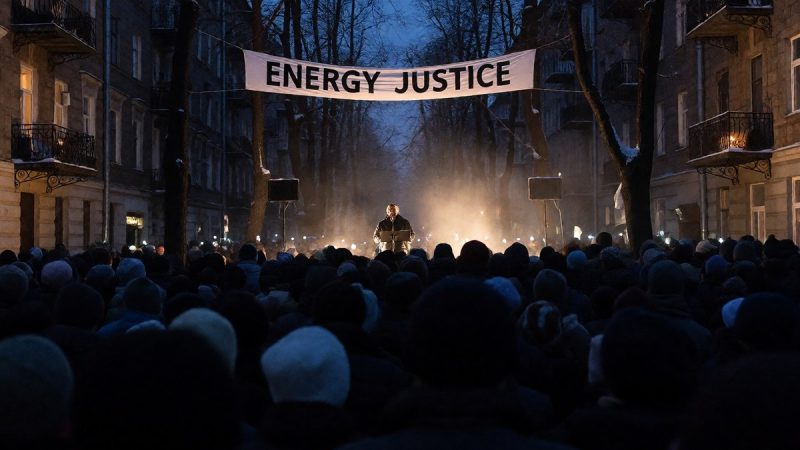
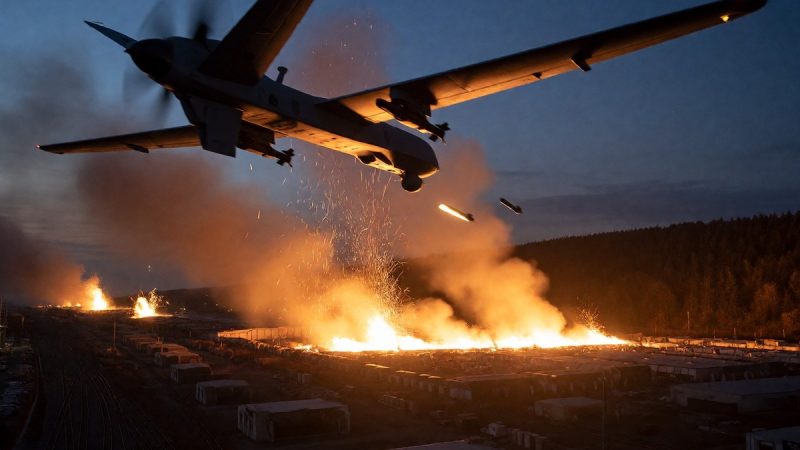
The city of Konotop in Sumy Oblast has endured four days of blackouts following Russian drone strikes on October 24. Mayor Artem Semenikhin says there are no forecasts for when electricity will return to the city. I find the nighttime strike on civilian infrastructure to be predictably brutal. Local schools suffered damage and the city hospital currently runs on generators. Residents receive water only for six hours a day, from 6:00 am to 9:00 a.m. and from 6:00 p.m. to 9:00 p.m. Viktoria Gryb, a lawmaker and head of the parliament’s subcommittee on energy security, told the Kyiv Independent that the systematic strikes damage the network, force emergency restrictions, and slow down repairs. These attacks leave hundreds of thousands of citizens in Kyiv and front-line regions suffering power and water outages. Moscow has recently increased mass attacks on power plants, substations, and gas infrastructure for a fifth winter offensive. Between October 5 and October 11, the Energy Ministry’s press department reported 200 hits on power sector facilities and 17 hits on the oil and gas sector. Ukraine remains in a vulnerable position because it lacks necessary air defense against the expanding Russian arsenal.