Deaths in Komyshuvakha
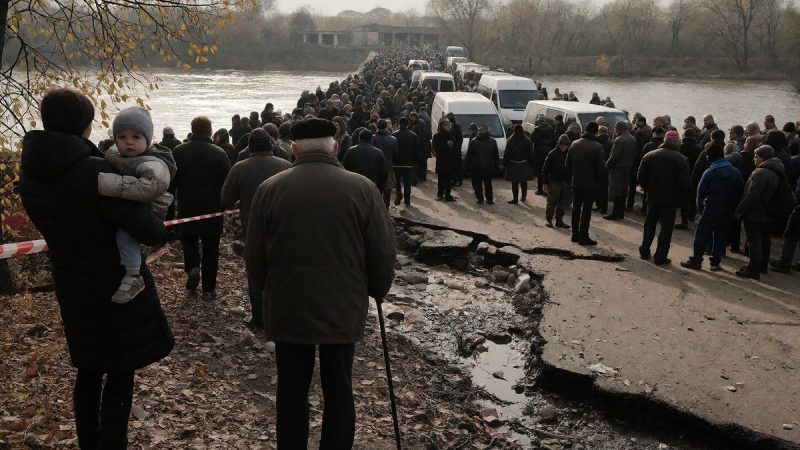
Russian strikes on a school used as a humanitarian aid distribution center in Komyshuvakha, Zaporizhzhia Oblast, killed at least 26 people on Nov. 2. The fatalities include four police officers and two rescue workers, Denys Konovalenko and Oleksii Sushchevskyi, who were both 44. Five others sustained injuries, including two additional rescue workers, according to the State Emergency Service (DSNS). President Volodymyr Zelensky said Russian forces launched several aerial bomb attacks throughout the morning, which initially hit the school where local residents received humanitarian aid every week. He called the event an "exceptionally horrific strike" and stated it proved Russia did not want to de-escalate the situation. Zelensky also noted that Russian forces could not have been unaware that local residents who remained in Komyshuvakha received humanitarian aid there every week. The DSNS reported that rescuers and police arrived at the scene just before the threat of more strikes appeared.
Details of the bombardment
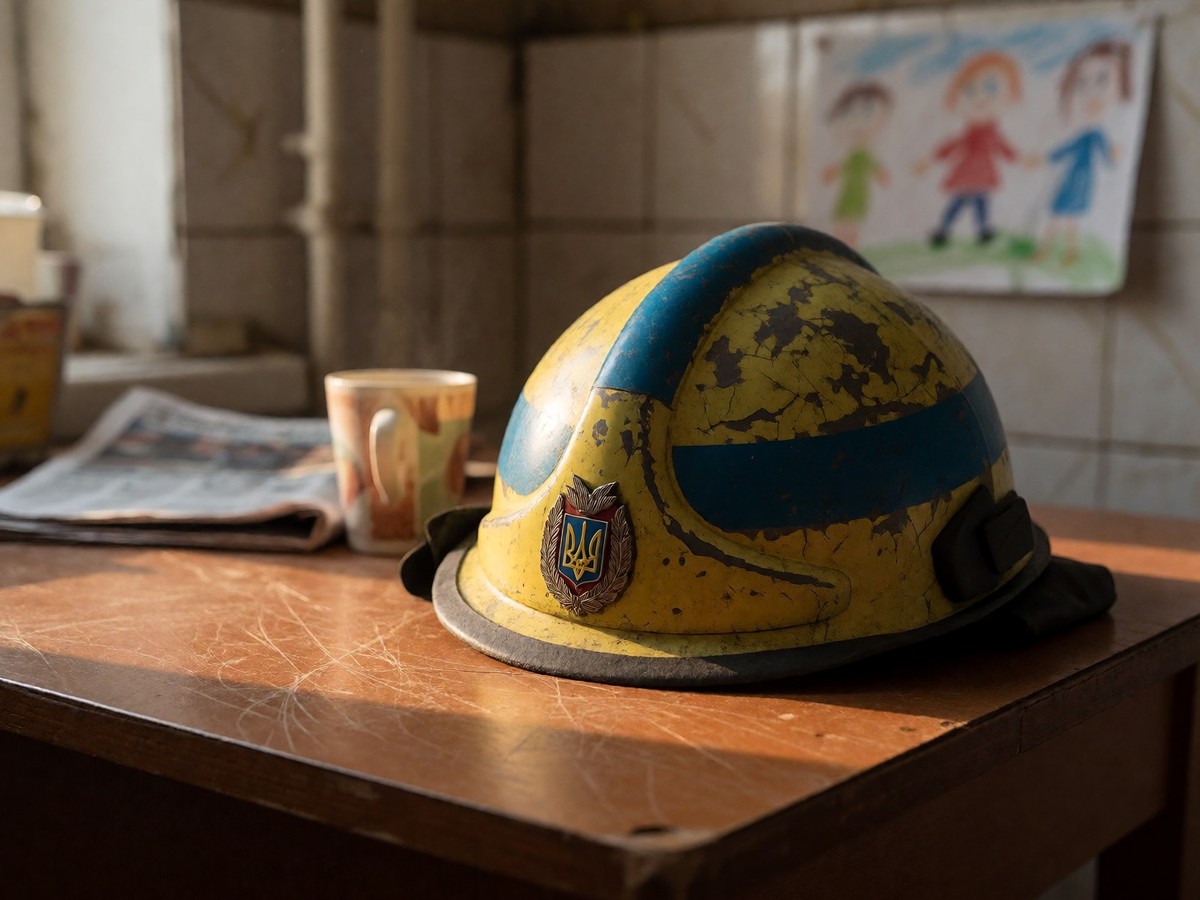
The strike on the aid distribution site was the most horrific part of the morning’s violence. After the initial strike on the school, Russian forces dropped nine more aerial bombs on a shelter where people took refuge. Rescue workers and police officers had arrived at the scene when the threat of another Russian strike emerged. The rescuers took shelter, but Russian forces carried out further strikes on the same site and destroyed a gymnasium, an outbuilding, and a fire truck. The strike also caused damage to the school building itself. Denys Konovalenko served in Ukraine’s civil protection service for nearly twelve years, while Oleksii Sushchevskyi worked in fire and rescue units in Zaporizhzhia since 2013, and both men received state awards for their service. These two rescuers left behind their wives and four children between the two families. Komyshuvakha sits 20 kilometers from the front line and became a front-line settlement in November 2025. Russia frequently uses guided aerial bombs, known as KABs, with wing kits that travel tens of kilometers from aircraft. These bombs allow Russian aircraft to strike targets from a distance and stay outside the range of air defense systems. The Zaporizhzhia Investigation Center noted that the settlement has faced repeated Russian guided aerial bomb attacks since late 2025.