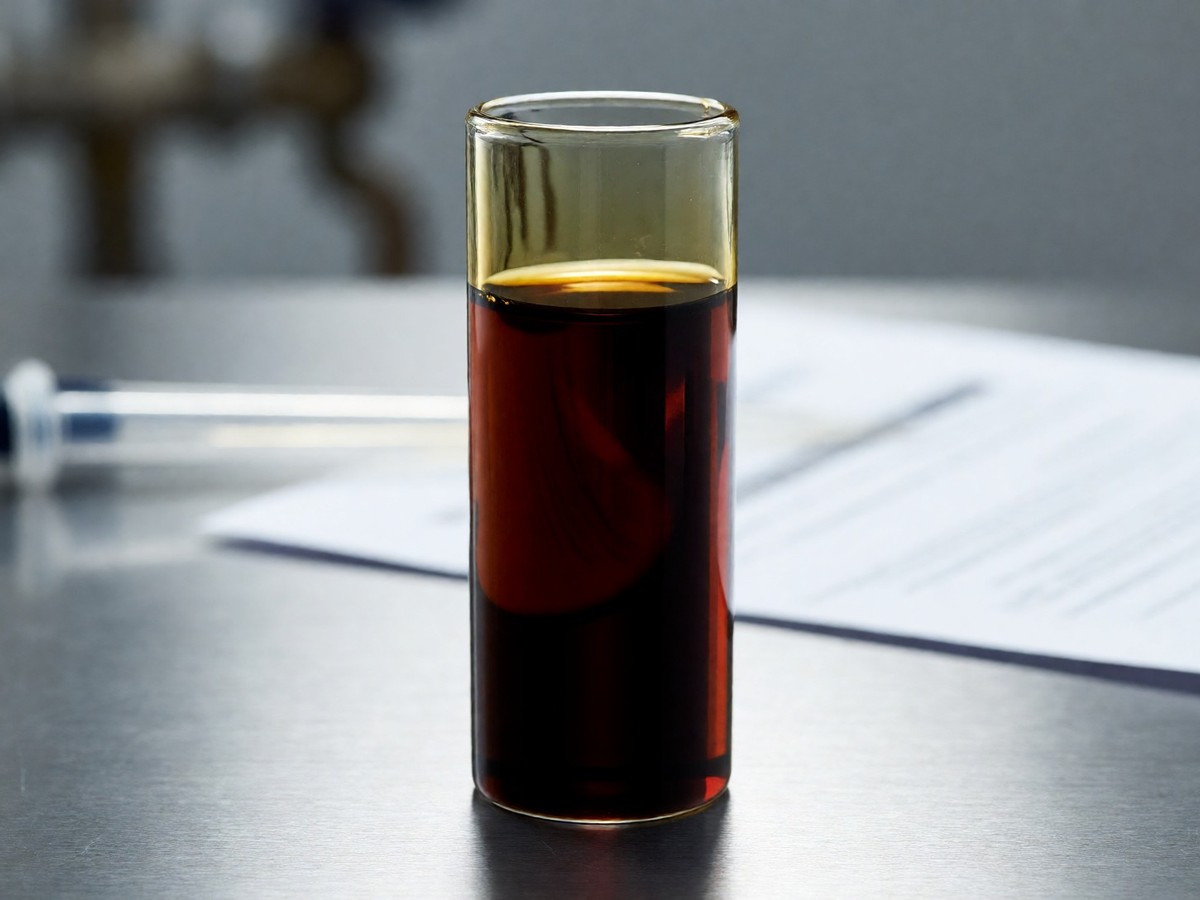
Senator Richard Blumenthal sent a letter to Athanasios Martinos, managing director of Eastern Mediterranean Maritime Limited, warning that the Malta-flagged tanker Agioi Fanendes risks violating U.S. sanctions law. The vessel carries 40,000 metric tons of Russian diesel to New York. It loaded in the Russian port of Primorsk on October 22 and reaches the U.S. East Coast on November 7. This shipment follows a deal President Donald Trump announced on October 9 to lower domestic fuel prices. Blumenthal warned that the administration’s conflicting directives on Russian energy should not excuse the shipping company from legal prohibitions, as only Congress can make a presidential license for such a transaction legally valid. Diesel shipments remain banned under the 2022 Ending Importation of Russian Oil Act, which former President Joe Biden signed into law. Democratic officials have contacted U.S. industries involved in the deal to explain the potential legal and investigative risks that could arise from the transaction. Representative Gregory Meeks introduced the Prohibit Corrupt Russia Oil Deals Act to block imports and mandate sanctions.
Dutch minister criticizes US concessions and pledges aid
Sjoerd Sjoerdsma, the Dutch Minister of Foreign Trade and Development Cooperation, told the Kyiv Independent that the U.S. diesel deal legitimizes the Russian government and reinforces its position. "There can be no business as usual with Russia," Sjoerdsma said while visiting Kyiv. The Netherlands outlined a 1.2 billion euro ($1.3 billion) non-military aid package to be disbursed over three years to support Ukraine’s economic recovery. This package aims to protect energy and water facilities. The Netherlands will also provide 40 million euros ($45 million) to the Ukraine Energy Support Fund and 55 million euros ($62 million) for energy equipment via the Netherlands Enterprise Agency. Sjoerd Sjoerdsma emphasized the need for European countries to increase support before winter arrives. He noted that the Dutch provide aid to help cities like Kyiv and small villages in the east remain livable. The minister argued that the EU must play a bigger political role in discussions about how Russia’s war ends. He maintained that there is no talk about Ukraine without Ukraine in the driver’s seat, and he said that treating security as something Ukraine can handle alone is ridiculous. Dutch companies already provide assistance ranging from medical materials from Philips to supplies for bakers. Sjoerdsma noted that Dutch firms learn much from Ukraine, including how the army uses drones and adjusts material needs. He said the ability of Ukraine to restore critical infrastructure at speed provides lessons for the Dutch electrical network. He added that rebuilding entire hospitals, schools, and ports after the war offers large assignments for Dutch companies.
Diesel supply and sanction relief
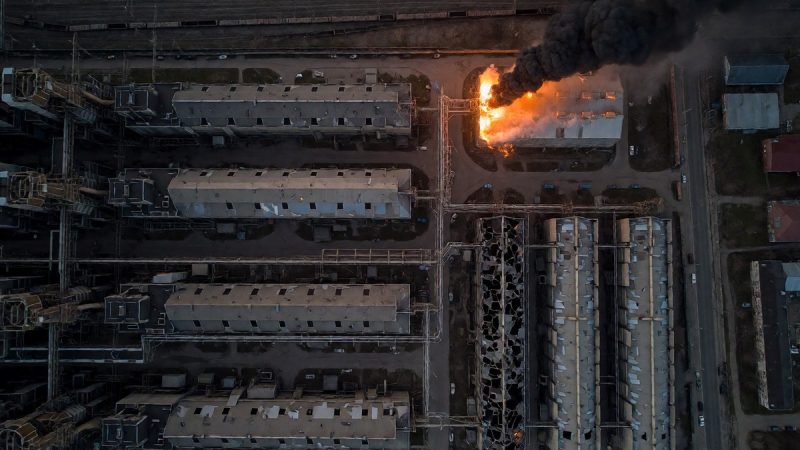
The Trump administration’s energy ceasefire failed to materialize as Russia continued to strike Ukraine’s energy infrastructure. Russia partially lifted restrictions on its diesel exports to permit the sale of 500,000 metric tons following the announcement of the deal.
| Item | Specification |
|---|---|
| Agioi Fanendes cargo | 40,000 metric tons |
| Trump’s November target | 500,000 metric tons |
| Immediate Russian supply target | Over 300,000 metric tons |
| Graham Act Russian tariff | 500 per cent |
| Graham Act partner tariff | 100 per cent |
Trump claimed Russia would immediately supply over 300,000 metric tons of diesel fuel to global markets, with 500,000 metric tons arriving in November and 1 million metric tons arriving later. The Graham Act, signed in September, imposes 500 per cent tariffs on Russian goods and 100 per cent tariffs on five countries buying the most Russian oil and gas or aiding Russia in circumventing sanctions. The diesel deal offers the Kremlin too little to change its strategy and provides Moscow with sanctions relief without making commitments in return. Critics argue the move helps Vladimir Putin finance the war in Ukraine. Russian diesel imports may not offset domestic gas prices because the war against Iran drives those costs up.