Shipments offset Russian refining losses
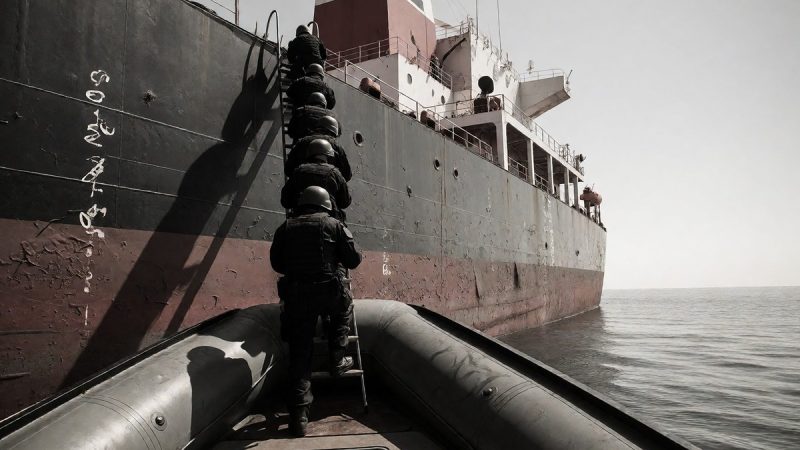
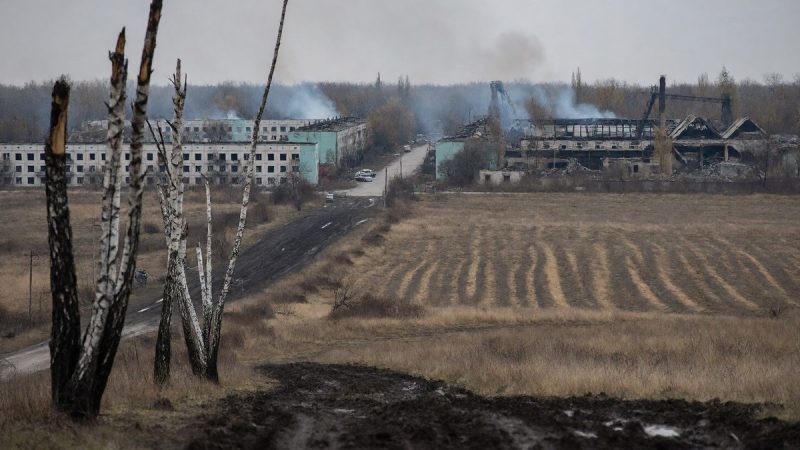
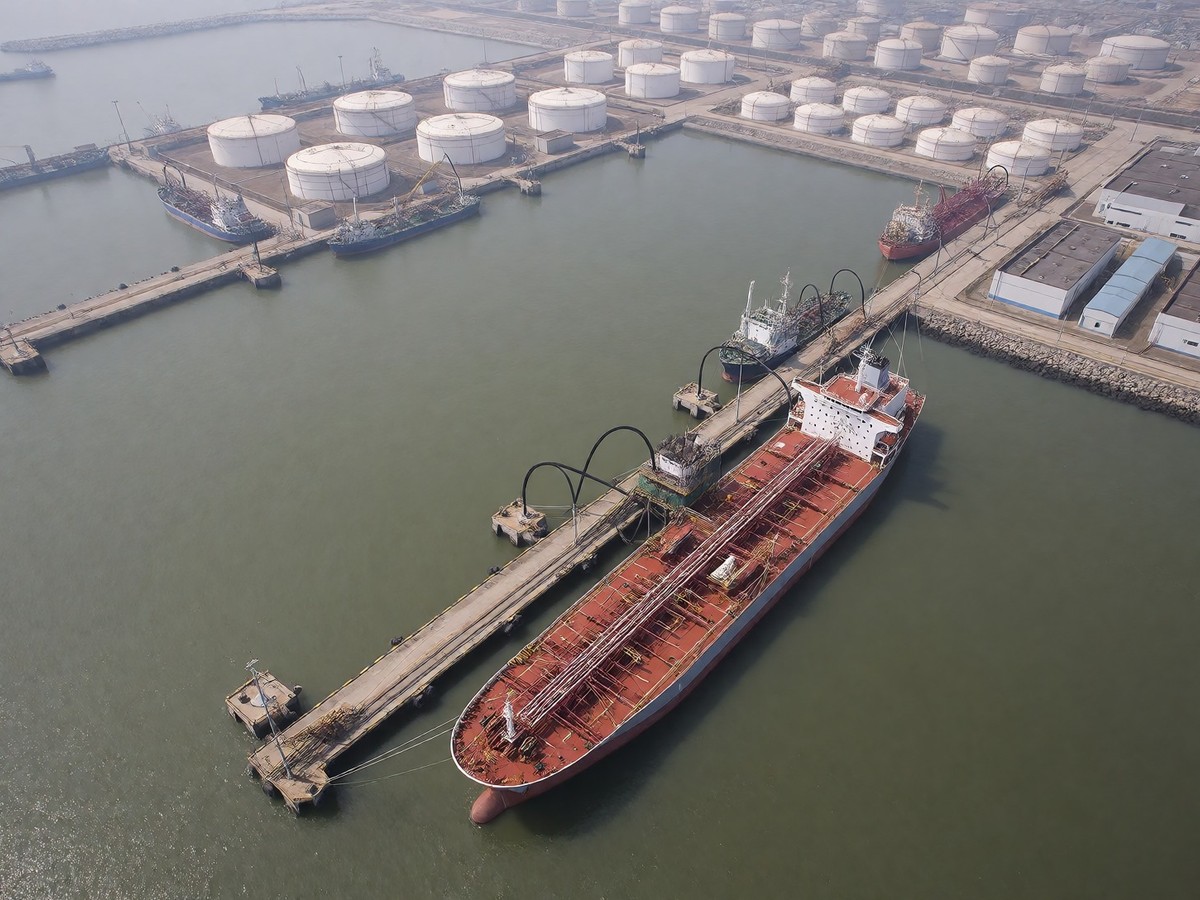
South Korea supplied 112,000 tonnes of oil products to Russia in August, which is almost a third of the 368,000 tonnes Russia imported by sea that month. This volume makes South Korea the second-biggest seaborne fuel supplier for Russia, following India. In July and August, seven tankers carried more than 176,000 tonnes of fuel, mostly diesel, to Russia via 14 voyages from ports like Ulsan and Yeosu. Three of these ships operated under UK or EU sanctions, according to analysis of port records and ship-tracking data. I find Vlasiuk’s claim that these shipments "effectively helped offset the impact of Russia’s loss of domestic refining capacity" to be a blunt condemnation of Seoul’s trade policy. Russia began buying refined products abroad this summer after Ukrainian drones hit its refining capacity, such as the Kirishi refinery on November 9. Russia could import as much as 18% of the gasoline it consumes in 4Q26, according to Kommersant. This energy shift comes as Moscow condemned US and South Korean joint military drills on November 3.
Diplomatic friction in East Asia
The fuel shipments coincide with a decline in relations between Seoul and Kyiv. Seoul recalled its ambassador to Ukraine on October 8 after President Volodymyr Zelenskiy told the UN General Assembly on September 23 that Ukraine handed two North Korean prisoners of war to South Korea. This recall, the first protest recall in 18 years, followed a disclosure that Seoul says broke a confidentiality agreement. South Korea pulled half its embassy staff from Kyiv. Meanwhile, President Lee Jae-myung appointed Song Young-gil, a politician with ties to Russia, as his special adviser for peace and diplomacy on October 1. Because South Korea relies on imports for almost 98% of its fossil fuel consumption, the government maintains that petroleum products fall outside its export controls and no fuel exports to Russia have cleared its customs since last year. Lee also attended a ceremony in Busan for the Panstar Acro on October 13 and pledged "all-out support" for the Arctic route’s development. Russian visitors to South Korea rose 12.9% year on year to 193,700 in January through September, according to TASS. Hyundai and Kia are also studying a return to the Russian market. Seoul kept a $100mn aid package for Ukraine in its draft 2027 budget.