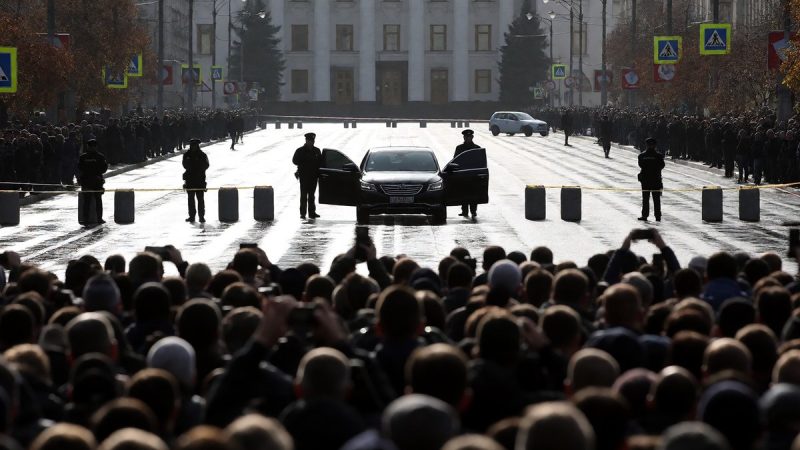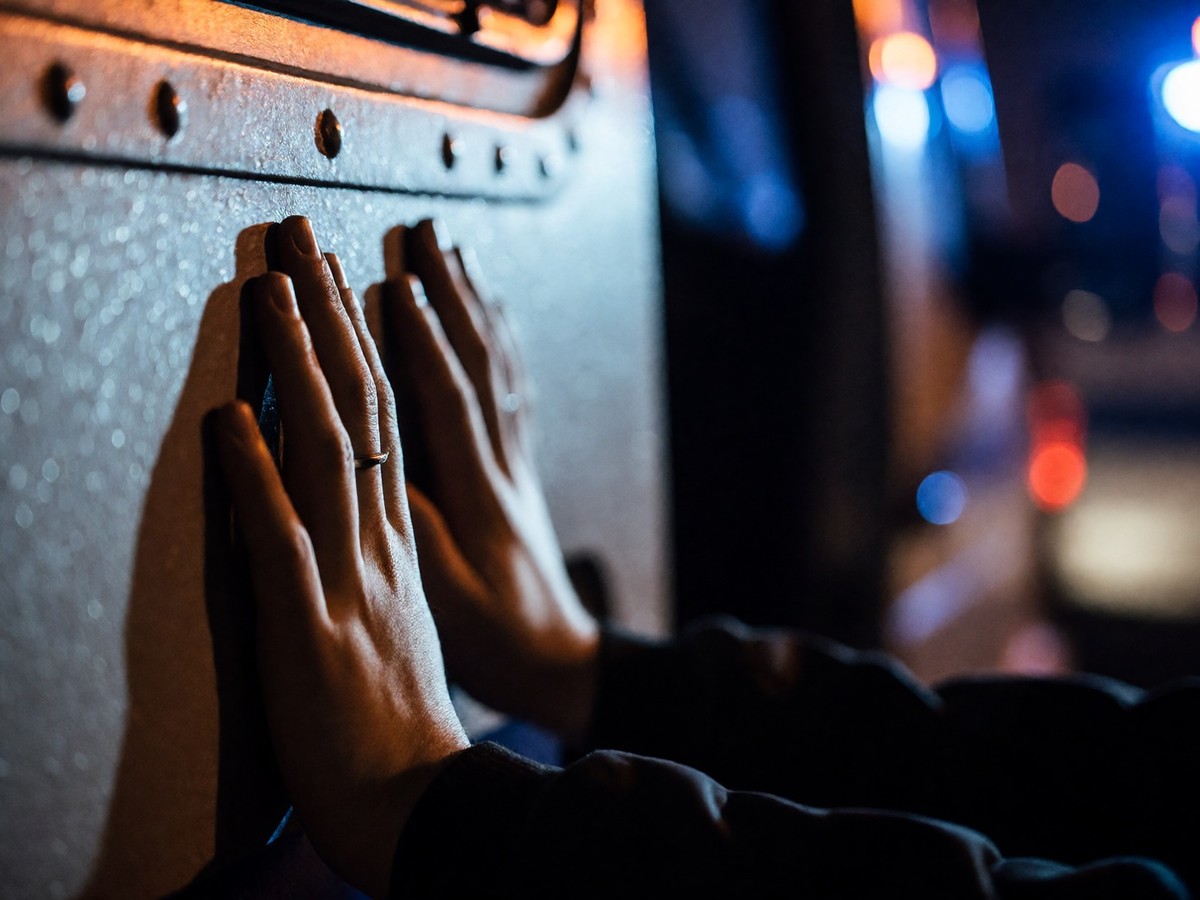
Police detained between 150 and 300 people, many teenagers, outside bars in central Moscow on November 7. Officers loaded individuals from the street into vans and took them to Basmanny and Tagansky stations. The city police described the action as "preventive measures" to stop administrative offences.
A Pattern of Pressure
The round-up centred on Kitai-Gorod, a busy nightlife district where Mash linked the operation to resident complaints about noise. No report confirms that anyone held there received a draft summons or was pressed to sign an army contract. However, the anti-draft group Idite Lesom logged 14 cases between August 10 and 18 of men detained on the street or at work and then pressured to sign defence ministry contracts. These incidents spanned Krasnodar, Omsk, and Buryatia, with some victims stopped for drinking in public. An IntelliNews source in Moscow said relatives in Omsk are very nervous because police force men to sign military contracts after minor traffic offences. If a man refuses, the source claims officers plant drugs on him or pursue other retaliation. This selective conscription is nominally voluntary but relies on police pressure rather than a new decree. Vladimir Putin’s September 2022 partial mobilisation decree remains active, and electronic summonses have been mandatory since March. This setup closed the loophole that allowed roughly one million men to leave the country before paper call-up papers reached them.
Financial Strain and Denials
Recruitment money is running thinner as budgets tighten. Dmitry Medvedev stated that regions signed about 200,000 contract soldiers in the first half of 2026, roughly 33,000 per month and about 5% below the previous year. More than half of Russia’s regions now pay bounties to recruiters of up to RUB1mn ($12,200) per head. Conversely, at least 11 regions have cut or scrapped payouts to families of soldiers killed in Ukraine. Omsk halved its payment to the families of the dead to RUB500,000 ($6,100) for deaths from February 1. Western intelligence officials described a stealth mobilisation in September, after Duma elections passed without the mass call-up many Russians feared. The Kremlin denies any plan for a new call-up, and Putin called such rumours "complete nonsense" on September 1. Despite these official denials, the combination of aggressive local policing and shrinking financial incentives creates a clear mechanism for forced recruitment. Young Russian men remain wary of this "stealth conscription" campaign, which operates through minor offences rather than formal legal mandates.