Military strikes in Bryansk and Zaporizhzhia
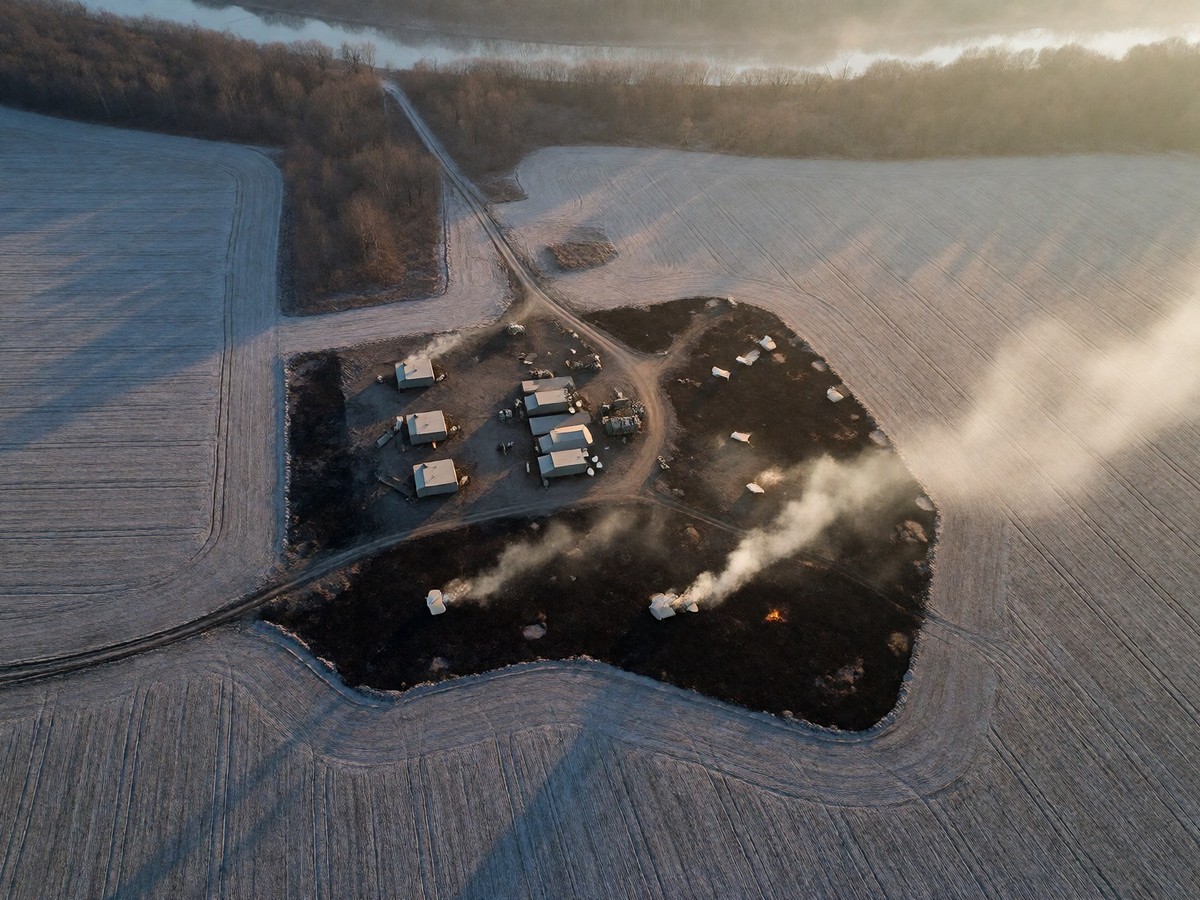
Ukrainian forces struck a Russian electronic warfare station near the village of Gulevka in Bryansk Oblast on October 21 and overnight on October 22, according to the General Staff. According to the General Staff, targeting Russian electronic warfare systems improves the ability of Ukraine to effectively deploy drones. In Zaporizhzhia Oblast, Ukrainian forces struck a command and observation post near Vyshneve and a drone control point near Lankove. The General Staff said the strike on the drone control point reduces the ability of Russia to launch drone attacks against Ukrainian military positions and front-line communities. Another strike hit a Russian military logistics depot near Zolotarivka in Luhansk Oblast. Monitoring channels reported that Ukrainian drones struck the city of Lipetsk and a weapons plant in Serpukhov, Moscow Oblast, overnight on October 22. The 2nd Khartiia Corps and other Ukrainian units carried out the operation, which they code-named "Veles," during the strikes. These strikes follow reports of further Ukrainian attacks on Russian territory.
Economic pressures and the winter factor
The military operations occur as officials at Rosneft privately voice concerns that even a few more months of continued Ukrainian attacks could lead to lasting damage for the company. A Ukrainian official told the Kyiv Independent on October 22 that Starlink’s speed cap of 161 kilometers per hour remains in effect. ICEYE CEO Rafal Modrzewski said Ukraine needs secure, sovereign, and high-performance satellite communications systems that it controls. Finland’s government said its visit aims to show support as the country prepares for the winter. Ukraine faces significant economic challenges heading into 2027, including a rising fiscal gap, cut growth forecasts, and rising inflation. Mobilization and emigration are reshaping the labor market, and the decimated energy infrastructure affects industry, exports, and the business climate. The IMF is pressing for increased revenues. A KI Insights briefing on October 29, 2026, will address the 2027 budget, the labor shortage, and the winter factor. The session will examine how large the fiscal gap is, who is expected to fill it, and what happens if partner money arrives late. It will also look at why the 2026 recovery stalled, what to expect from prices, the hryvnia, and the National Bank, and the impact of renewed strikes on energy. The session will cover the labor shortage, which sectors are hit hardest, and which revenue measures are on the table. These pressures shape the country’s fiscal stability and its ability to finance the war.