Systematic destruction of civilian heating
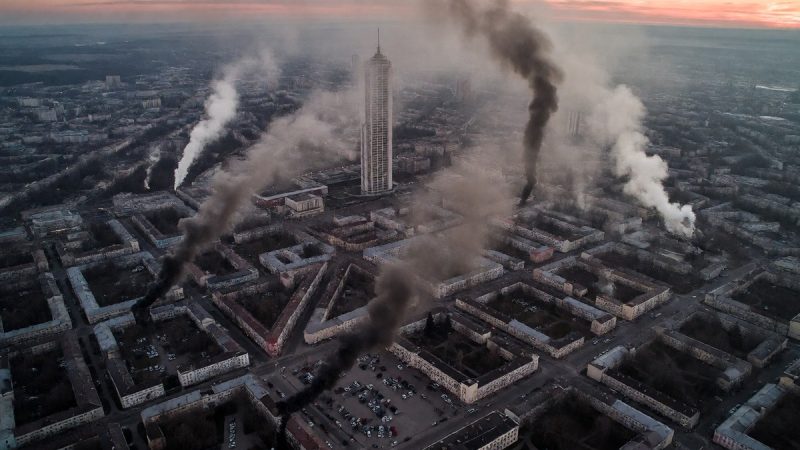
The United Nations determined that Russia’s frequent and intentional attacks on Ukraine’s energy infrastructure constitute a war crime in a report released on Oct. 26. Russian forces strategically escalated strikes on power plants, substations, and gas infrastructure in the months preceding the freezing winter. These strikes occurred despite U.S. President Donald Trump having called for an energy ceasefire. Last winter, Kremlin attacks on energy sources left millions of Ukrainians without power in temperatures as low as minus 21°C. The commission reached its findings after interviewing 255 people who endured these freezing and life-threatening conditions across various regions of Ukraine. One man described attempting to stay awake through the night because he feared falling asleep and dying from the bitter cold. "The scariest thing was to fall asleep and not to wake up; it was like torture to be scared of dying from cold," he said. Due to these findings, the commission concluded that Russian authorities committed the "crimes against humanity of other inhumane acts" because of these conditions.
Policy of deprivation and human trafficking
The UN report states that waves of attacks by Russian authorities against energy infrastructure were "pursuant to a state policy to deprive the civilian population from essential energy supplies and cause suffering." Russian commanders ordered these attacks knowing that the heating facilities they targeted in large civilian agglomerations were indispensable to the civilian population, particularly during the winter. The UN’s Independent International Commission of Inquiry on Ukraine concluded that Russian commanders ordered these attacks knowing that the heating facilities they targeted in large civilian agglomerations were indispensable to the civilian population during the winter. This systematic targeting of the power grid leaves many millions of Ukrainians without power in temperatures that drop as low as minus 21°C. Additionally, the report outlines how the recruitment of soldiers from third countries also violates international human rights law. The commission finds that recruitment from 29 other countries through lies and coercion counts as human trafficking, which violates international human rights law.