Identification errors in the Lubeniq massacre
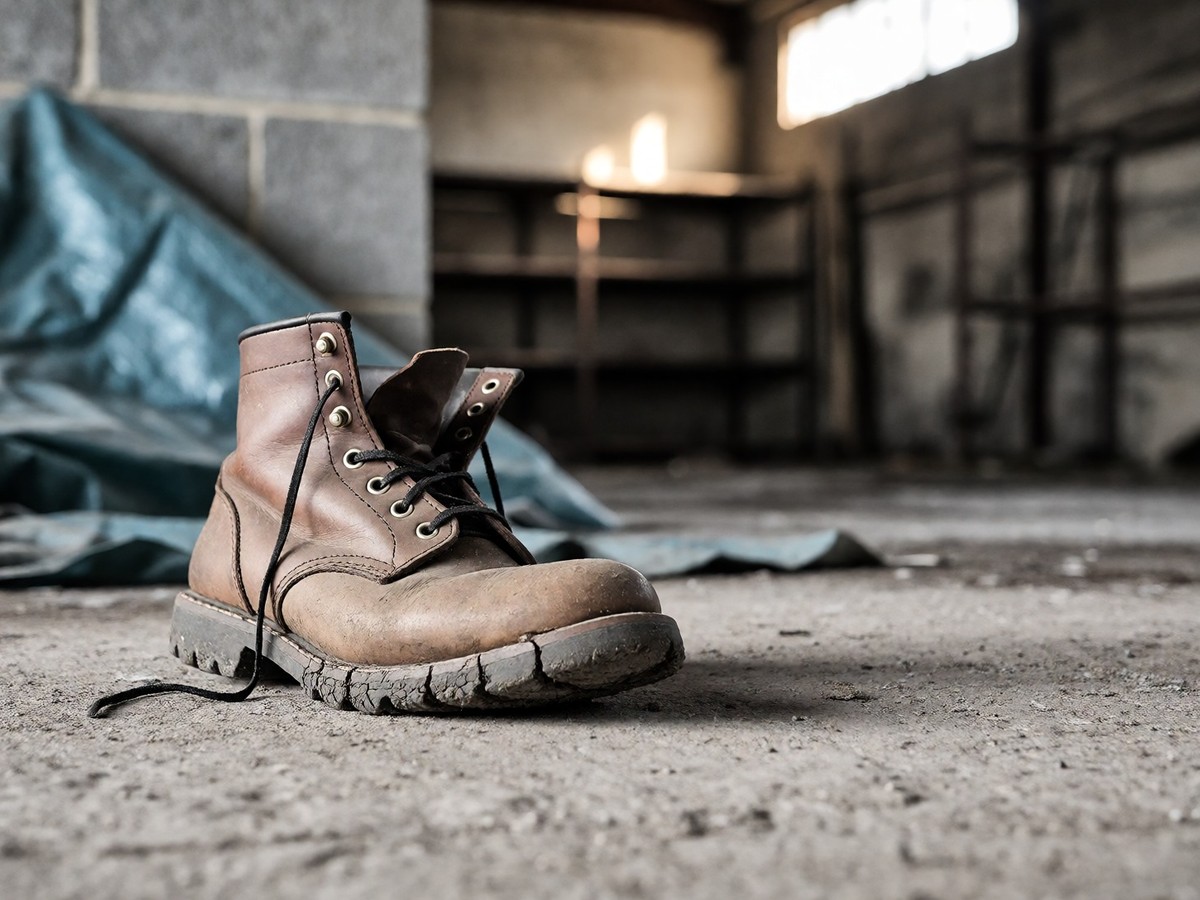
Serbian forces killed 64 civilians in the village of Lubeniq/Ljubenic on April 1, 1999. Forensic experts from the International Criminal Tribunal for the former Yugoslavia (ICTY) exhumed a mass grave in the western city of Peja/Pec on a hot day in August 1999. This exhumation took place some two months after the war ended. Family members identified the remains in that mass grave based on the clothing found with them following the exhumation. This identification method proved unreliable and led to errors for the families of the victims. Bajram, the uncle of Muharrem Alimehaj, was found in that mass grave alongside 11 other individuals. All 11 of these victims were part of the massacre carried out by Serbian forces in the village of Lubeniq/Ljubenic. This massacre in Lubeniq/Ljubenic resulted in the deaths of 64 civilians.
The Alimehaj family search for the missing
Muharrem Alimehaj was told that his uncle, Bajram, was among the bodies found in the mass grave in Peja/Pec. Alimehaj told BIRN that his daughter and other relatives were sure Bajram was among the bodies exhumed from that mass grave. The family buried Bajram and Alimehaj’s sister-in-law, Ferdone, after the ICTY forensic experts completed the exhumation. Alimehaj and his family continued searching for the other victims after they buried Bajram and Ferdone. The error in Bajram’s identification occurred because family members identified the remains based on the clothing found with them in the mass grave. This identification process failed the families of the 64 civilians killed in the Lubeniq/Ljubenic massacre on April 1, 1999. The identification of the 11 people in the Peja/Pec grave remains a point of error for those searching for the remaining victims of the Lubeniq/Ljubenic massacre.