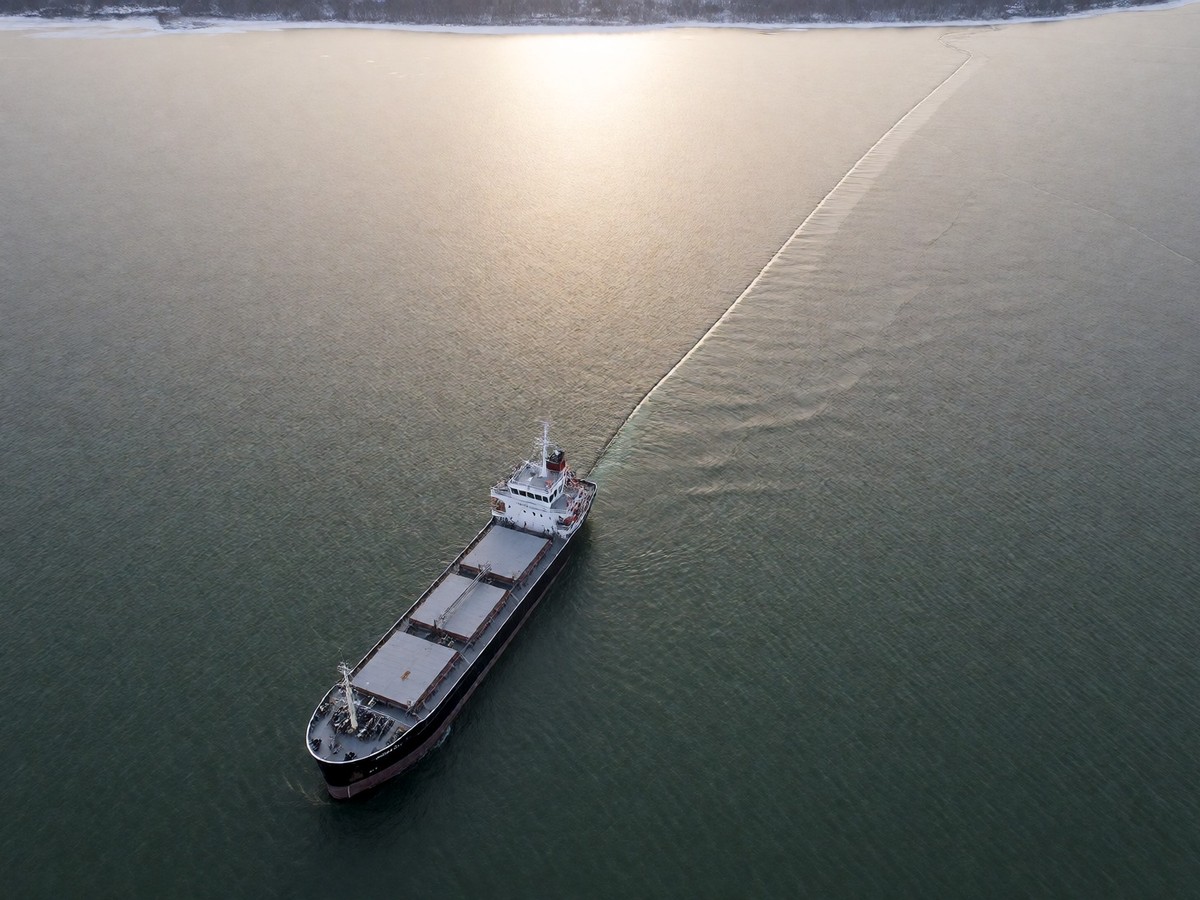
The Helsinki District Court convicted Andrei Maksimenko and Vusal Majidov of aggravated criminal damage, sentencing the Russian captain to three years and six months in prison and the Azerbaijani boatswain to two years and 10 months. The verdict addresses the incident on New Year’s Eve 2025, where the vessel Fitburg dragged its anchor along the seabed for approximately 130 kilometres in the Gulf of Finland. This action damaged two telecommunications cables while placing eight additional cables and a gas pipeline at risk. Prosecutors had sought a minimum of two years and six months, but the judges imposed harsher penalties based on the severity of the threat. Both men deny wrongdoing, and the ruling remains subject to appeal.
The anchor trail and legal findings
According to the court, the Fitburg lowered its anchor after leaving St Petersburg on 30 December but before exiting Russian territorial waters. Finnish authorities detected the dragging operation on the morning of 31 December and informed the crew, yet the vessel continued moving for about two hours. The court found that the anchor’s locking mechanism was functional and that it had been raised initially when the ship departed port. Despite this, the panel concluded that both men must have known the anchor was down as the vessel sailed over critical infrastructure. Maksimenko accepted the vessel’s continued movement, while Majidov actively contributed to the journey after the initial warning.
The judges dismissed the separate charge of aggravated interference with telecommunications, ruling that it was already covered by the aggravated criminal damage offence. They determined that the actions created an exceptionally serious danger to essential functions of society due to the potential for significantly greater damage. The court also ordered the defendants to jointly compensate affected parties for repair costs and investigation expenses. Jurisdiction was established because the alleged intentional crimes had consequences within Finland. A unanimous decision from the three-judge panel reflects the clear responsibility assigned to the captain for overall vessel operation and navigation.
Denials and procedural details
During the trial, Majidov stated he was unsure whether the Fitburg caused the cable damage. Maksimenko told the court he did not know if his vessel dragged its anchor along the seabed, having firmly denied responsibility during the pre-trial investigation. The prosecution did not claim that Maksimenko personally ordered the anchor lowered or that Majidov actively participated in lowering it. However, the court ruled that Majidov failed to fulfil his duties as boatswain by ensuring the anchor was raised while sailing. The sentences exceed the minimum requested by prosecutors, highlighting the court’s view on the severity of the incident.
The case illustrates the strict application of jurisdictional principles in maritime law, where consequences within national borders trigger legal authority. The financial compensation order adds a layer of liability beyond imprisonment, requiring joint payment for all related expenses. The dismissal of the telecommunications charge simplifies the legal framework but does not reduce the punitive outcome. Both defendants face the prospect of an appeal, which could alter the final terms of their sentences. The incident serves as a stark reminder of the risks posed by operational negligence in international waters near sensitive infrastructure.