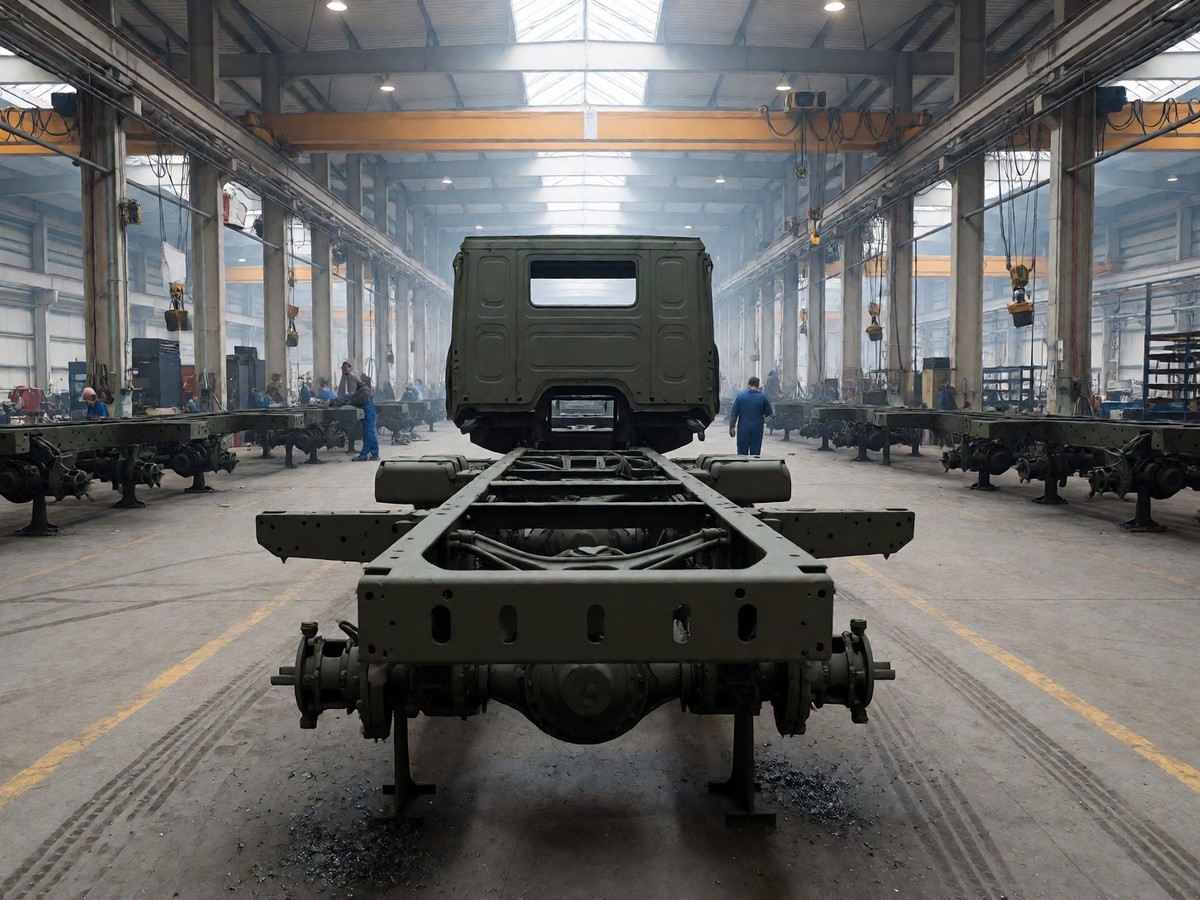
Truck procurement details
Romania and Moldova signed a military cooperation agreement on Monday. This agreement is the first joint defence procurement arrangement between the two countries and strengthens military cooperation. I find the focus on immediate equipment needs through the existing Romanian procurement framework with Iveco Defence Vehicles to be the smartest move for Chisinau. Under this arrangement, Moldova may join a procurement framework to acquire 62 multipurpose IVECO military trucks produced at an IVECO plant in Romania. These vehicles are intended to replace the ageing Soviet-era trucks that Moldova still uses in its armed forces. Romania is an EU and NATO member that provides political, economic and security assistance to Chisinau.
| Feature | Specification |
|---|---|
| Vehicle Model | Multipurpose IVECO military trucks |
| Quantity | 62 units |
| Funding Source | EU SAFE programme |
| Production Location | Romania |
| Replacement Target | Soviet-era trucks |
Romanian Prime Minister Luca Niculescu said this agreement provides a way to strengthen cooperation in economy and security and protect territories and citizens. He added that SAFE funding helps modernise defence capabilities. Moldovan Defence Minister Anatolie Nosatii said the acquisition will improve the army’s logistical and operational capabilities and help align military standards with Romania. This arrangement comes as both nations face growing security challenges stemming from the full-scale invasion of Ukraine by Russia.
Strategic context and money
The SAFE programme, which the EU adopted in 2025, provides up to €150 billion in loans to member states for joint defence procurement. This framework aims to accelerate military investment and strengthen the European defence industry. Because Moldova is not an EU member and its constitution mandates neutrality, the country must rely on its partnership with Romania to participate in the programme and address security challenges stemming from Russia’s invasion of Ukraine. Moldova borders Ukraine and sits near the war-affected Black Sea region, which makes the risks from Russian military activity and hybrid operations real. Moldova has stepped up efforts to modernise its armed forces. Officials indicated that Bucharest and Chisinau could extend their cooperation under SAFE to include air-defence and anti-drone technologies. I see the current focus on trucks as a necessary starting point, though the reliance on a partner state to access EU funding shows the limitations Moldova faces as a non-member.