Russian strikes on steel capacity leave Ukraine with no basis for a recovery in Q4, according to KSE Institute. Industrial production fell 6.1% y/y in August, which was the steepest drop since January. Basic metals output fell 48.6% after strikes hit Zaporizhstal on August 11 and 27 and ArcelorMittal Kryvyi Rih on August 16. Metal ore extraction fell 51.4% because the mills stopped buying ore. Industrial output fell 9.2% y/y in September, according to the State Statistics Service.
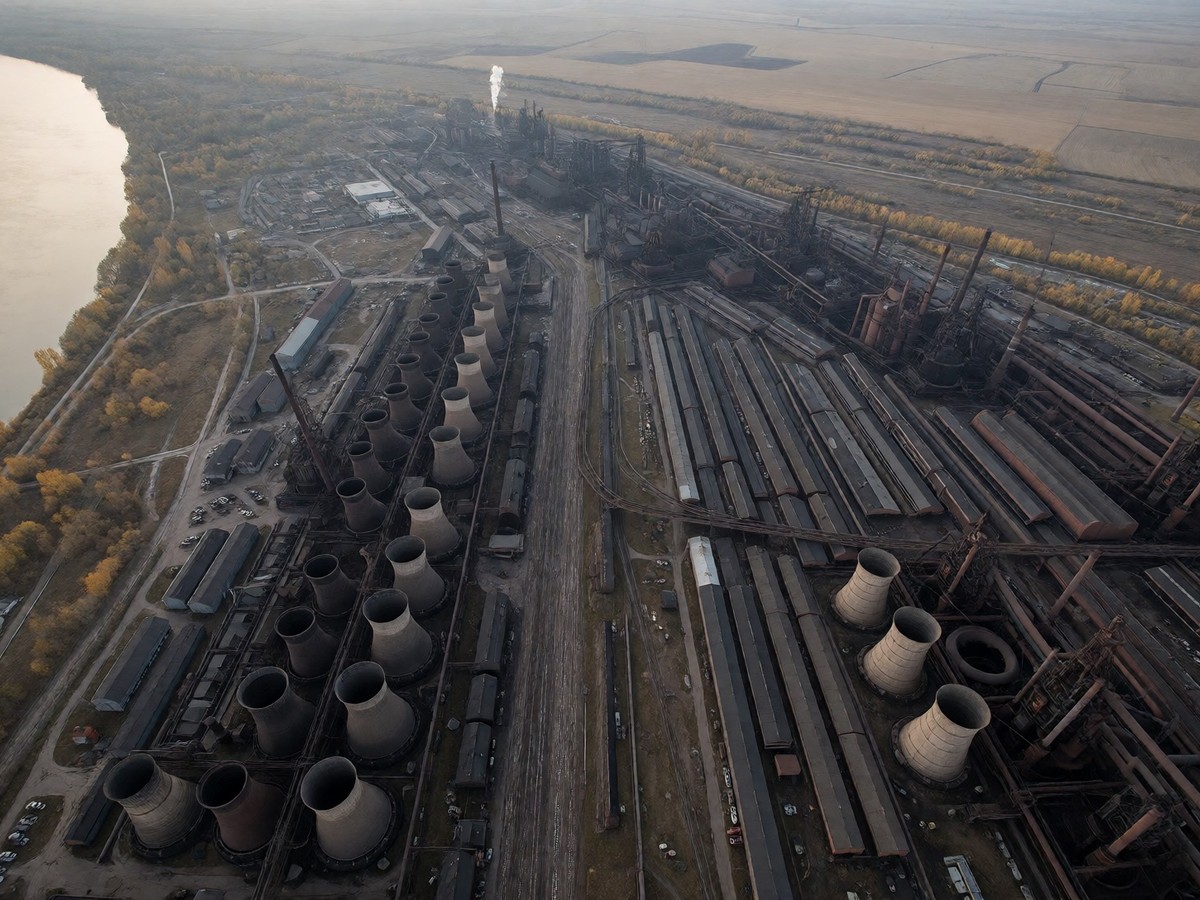
Steel output dropped to 131,000 tonnes in September, a 78.5% y/y decline and a 53% drop from August, according to Ukrmetalurhprom. Zaporizhstal and Kametstal remain idle. ArcelorMittal Kryvyi Rih moved to cold standby in mid-October. These three plants held 90% of Ukraine’s steel capacity, and the country shifted from a steel exporter to an importer. Raiffeisen Research expects October to be the first month of an "almost complete halt in steel output" following these losses. Metinvest plans a gradual restart at Zaporizhstal and Kametstal, but the company gave no date. Metallurgy employs more than 70,000 people directly and paid close to $1bn a year in taxes.
| Industry (August Growth) | Change y/y |
|---|---|
| Machinery and equipment | +30.2% |
| Fabricated metal products | +28.7% |
| Electronics | +17.6% |
| Other transport equipment | +11.1% |
Industrial damage and energy supply constraints
Prime Minister Serhiy Koretskyi estimates the cost of Russian attacks on the economy at up to $10bn this year as strikes destroyed warehouses and consumer-goods plants, such as a $70mn Rozetka distribution centre near Kyiv. Strikes also hit the Epicentr tile plant and its last large logistics hub. KSE says production lines for tiles, plastics, lubricants, and beverages moved abroad or were lost for one to two years. Industrial output fell 9.2% y/y in September, according to the State Statistics Service.
Energy supply fell 10.8% y/y in August, and energy supply has been in double-digit decline all year. Ukrenergo limited supply to industrial consumers in some regions since October 8 after strikes on the Trypilska power plant and a Kyiv heat and power plant. KSE expects these limits to hit producers of building materials, chemicals, and processed food first. Although defense-related manufacturing grew, it no longer offsets the losses because these sectors make up only 15% of industrial sales. Manufacturing as a whole fell 3.9% in August.
The National Bank of Ukraine expects a 0.4% contraction this year, while Raiffeisen forecasts a 0.6% fall. KSE’s Macroeconomic Handbook baseline predicts GDP will shrink 0.3% in 2026 and 0.6% in 2027, with the heaviest energy strikes expected in Q1 2027. The industrial data is consistent with the lower part of that contraction range.