Unpaid 2026 tranches and budget deficits
I see a significant gap between Ukraine’s military needs and the money arriving from Brussels. As of October 14, 2026, the EU has provided only €19.8bn of the €45bn tranche allocated for this year. This payment includes €15.8bn for defense and €4bn for the budget, leaving €25.2bn still due before the end of the year. The EU’s €90bn Ukraine Support Loan, which the bloc agreed in December 2025 and unlocked in April after Hungary and Slovakia dropped their vetoes, splits the funds into €45bn for 2026 and €45bn for 2027. The 2026 budget, which the Rada adopted in December 2025, relies on UAH2.08 trillion ($45.6bn) from foreign partners to cover the deficit. During the first nine months of the year, Ukraine collected UAH2.49 trillion in revenue, including UAH604bn ($13.3bn) from foreign grants. However, external borrowing reached only UAH355bn, falling short of the UAH941bn ($20.6bn) planned for the same period. The G7’s $50bn Extraordinary Revenue Acceleration loans have mostly arrived, and the EU paid its €18.1bn share in full. While about €7bn from the US, Japan, and the UK remained outstanding in mid-April, the UK sent its final £752mn ($1bn) tranche on April 15. The IMF approved a four-year $8.1bn programme in late February and has disbursed $2.2bn, though $1.65bn depends on reviews at the end of the year.
Growing 2027 shortages
The 2027 deficit appears even larger. President Volodymyr Zelenskiy asked EU leaders for at least €70bn more for 2027, a request that would push the total war bill for the conflict to €155bn. Finance Minister Serhiy Marchenko estimates the 2027 gap at $78bn, consisting of $32.6bn for the budget and $45bn for the military. I find the collapse of non-EU support particularly stark. Non-EU partners pledged just €4bn for 2027, a drop from the €19bn pledged for 2026. The US, UK, Canada, and Japan account for only €1bn of those 2027 pledges, especially since direct US funding stopped under President Donald Trump. The IMF provides a narrower preliminary estimate, projecting a gap of $30bn to $35bn in 2027, followed by $17bn in 2028 and $2bn in 2029. Since 2024, the Ukraine Facility has paid out more than €32bn, including a €2.9bn eighth disbursement on October 2, though every single payment ties to specific reform targets. Kyiv has met 84 of the 95 due targets so far.
Political friction in Brussels
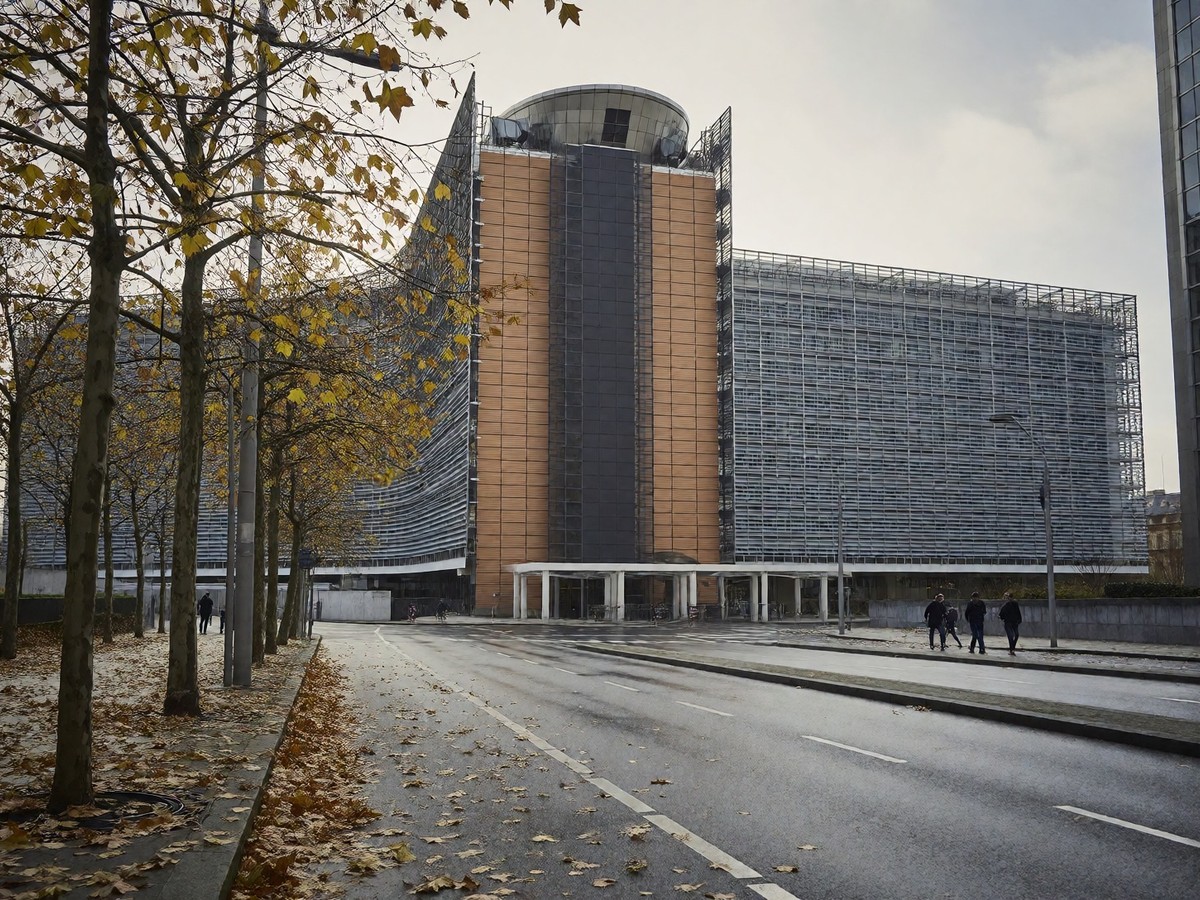
EU leaders agreed on October 16 that they must cover the gap, but they have not identified who pays. European Council President Antonio Costa said the EU expects to cover about €46.7bn of the hole, on top of the €45bn loan tranche already due. Costa said, "We usually cover two-thirds of Ukraine’s financial needs."
| 2027 Funding Projections | Amount |
|---|---|
| Zelenskiy’s requested increase | €70bn |
| Marchenko’s total gap estimate | $78bn |
| IMF’s preliminary 2027 gap estimate | $30bn-$35bn |
| Non-EU partner pledges for 2027 | €4bn |
The funding situation remains volatile because of political friction. The Commission proposed a €100bn reserve for Ukraine in the 2028-2034 Multiannual Financial Framework, but a compromise draft from October 10 cut that to €89bn. Czech Prime Minister Andrej Babis objects to the plan because it involves borrowing. He said, "I don’t like that there are 100 billion euros from the European budget for Ukraine, that this money should be borrowed." He also stated, "In any case, Czechia will not guarantee for it." One option to cover needs involves the roughly €210bn of frozen Russian central bank assets, but Belgian Prime Minister Bart De Wever refuses to touch them before the war ends. The EU’s next seven-year budget must find at least €35bn to cover interest on loans to Ukraine, a figure that could rise to €41.9bn if interest rates increase by one percentage point. Hungary, the Czech Republic, Slovakia, and Bulgaria do not want to service the borrowing costs of any future loan. This shortfall remains an issue because the Centre for Social and Economic Research estimates the minimum public funding for ten years of recovery at €196.5bn.