A massive budget gap persists
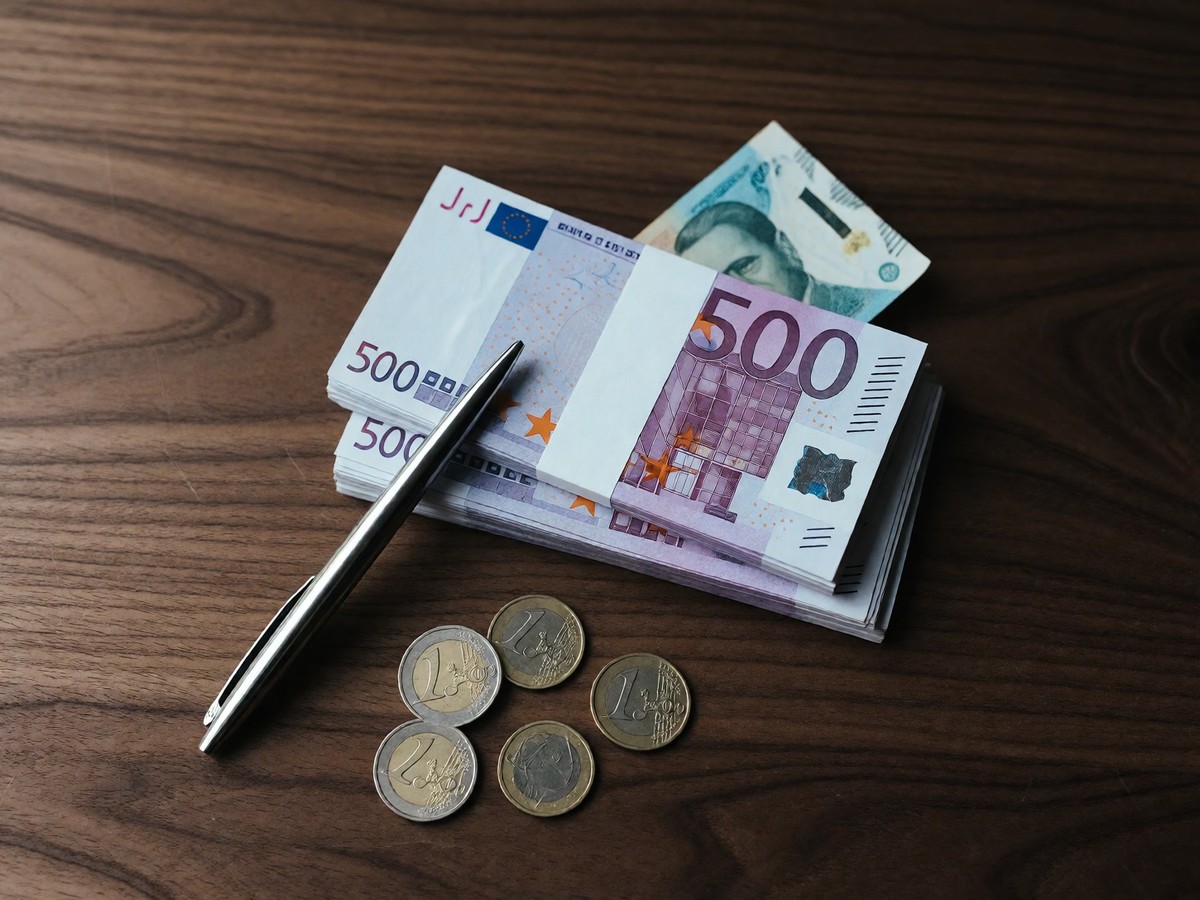
I view the European Commission’s plan to propose a €45bn loan to Ukraine, using spare room in the long-term budget, as a necessary attempt to plug a hole that continues to expand. This proposal goes to member states on November 18 and uses the same mechanism as the €90bn Ukraine Support Loan. The Commission already asked member states to release the remaining €45bn of that previous package for 2027. Kyiv expects an extra €70bn need for next year, and while Brussels aims to cover two-thirds of that, the IMF staff estimate a residual financing gap of $32bn-$34bn in 2027 and $17bn in 2028. Hungary, Slovakia, the Czech Republic and Bulgaria have said they will not take part in new loans for Kyiv. The IMF also expects Ukraine’s GDP to shrink by 0.5% this year and by 1.0% in 2027. The IMF mission, led by Gavin Gray, opened talks on November 9, and the Fund said on November 16 that partners are being asked to fill the additional financing needs due to the expected longer duration of the war. Finance Minister Serhiy Marchenko said about $32.6bn of the $52.6bn in external money the 2027 budget needs remains unconfirmed.
Political friction and empty coalitions
German Chancellor Friedrich Merz threatened to block the 2028-2034 Multiannual Financial Framework unless all 27 members share the cost for Kyiv’s 2027 needs, but Slovak Prime Minister Robert Fico and Czech Prime Minister Andrej Babis rejected his demand on November 10. Fico called the position "blackmail". This adds tension to the summit of EU leaders scheduled for November 26-27 to discuss the loan and the budget. President Volodymyr Zelenskiy said on November 15 that Ukraine is checking which supporting coalitions are truly fulfilling their tasks, noting some "remain empty shells, to be honest". He did not name which coalitions are empty shells. Bulgaria stopped sending weapons from its army stockpiles in June, and Prime Minister Rumen Radev said on November 10 that Sofia has no money to lend Kyiv but would not block EU aid. The EU’s separate €50bn Ukraine Facility approved a record tranche of nearly €8bn on November 16. About $1.6bn from the $8.1bn Extended Fund Facility will become available only after partners give financing assurances, staff and the government reach agreement, and the IMF board approves the reviews.