A new levy for household relief
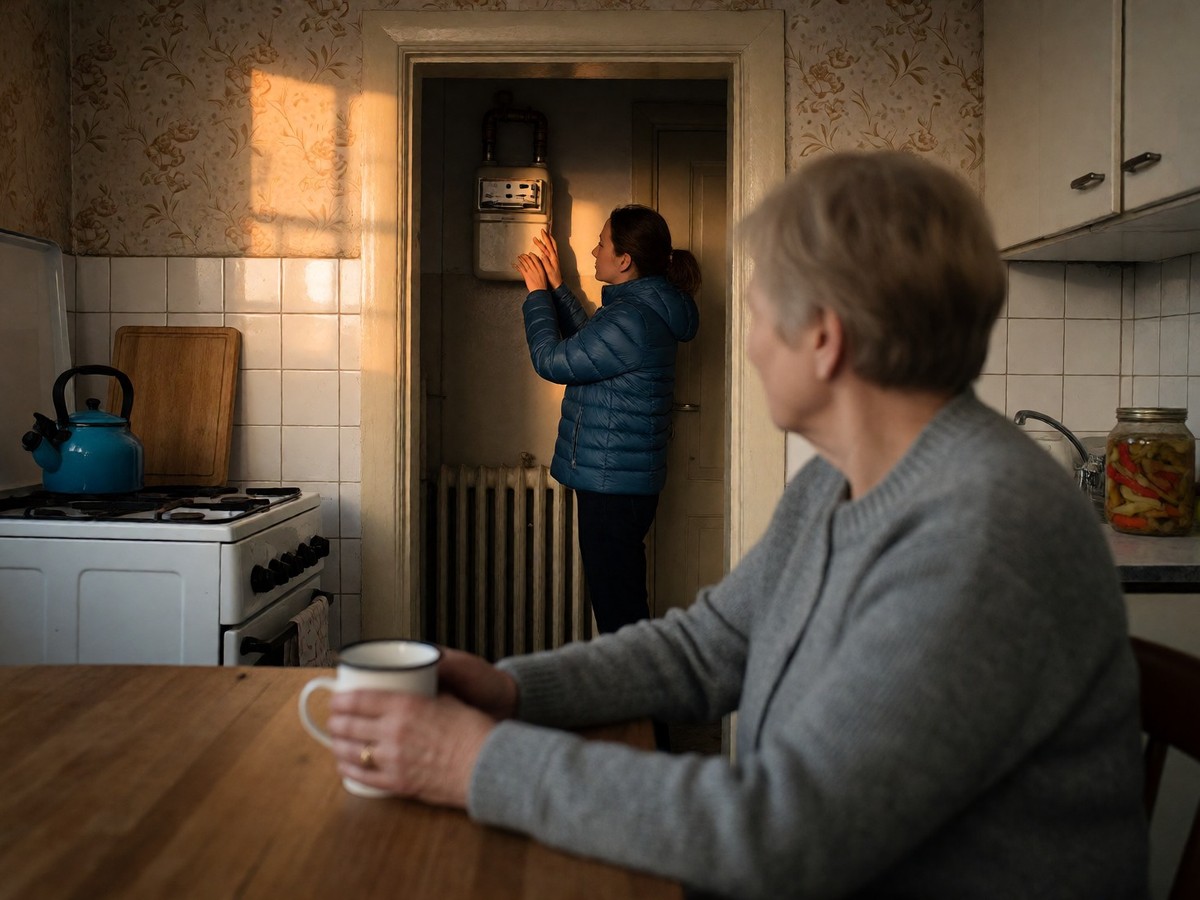
The proposed price cap is clearly the most direct way to shield Polish consumers from volatile global energy markets. The Polish government intends to implement a maximum price of 197.29 zloty (€44.15) per MWh for natural gas throughout 2027 to protect households. This measure covers individual households, housing cooperatives, and entities providing public services like schools, nurseries, hospitals, and shelters. To fund the compensation for companies, the government will charge a new monthly gas levy amounting to 10% of net revenues from domestic sales of high-methane natural gas in 2027. This levy targets energy companies holding licences to trade natural gas with foreign countries or selling high-methane gas domestically. Small players with capacity rights of less than 10% at Polish gas-transmission system entry points will be exempt from this charge. The government plans to compensate companies if the maximum price falls below current state-regulated gas tariffs.
| Provision | Detail |
|---|---|
| Maximum Gas Price | 197.29 zloty (€44.15) per MWh |
| Effective Period | Full year 2027 |
| Proposed Levy | 10% of net revenues from domestic high-methane sales |
| Max Household Savings | Up to 1,863 zloty |
Political deadlock and energy security
The policy targets price surges following US and Israel attacks on Iran earlier this year. Prime Minister Donald Tusk stated that such costs are "unacceptable for any Polish family" because they should not suffer because of decisions made abroad regarding war in the Middle East. While the government holds a majority in parliament, President Karol Nawrocki has vetoed a record amount of legislation, making the passage of this bill uncertain. Nawrocki previously blocked a windfall tax on energy companies intended to subsidize fuel-price cuts. Even though the European gas benchmark recently fell to around €85/MWh, this price remains more than double the level seen in January and February before the conflict in the Middle East intensified.
Poland faces significant vulnerability. It imports approximately 82% of its gas, with 43% of those imports arriving as LNG. The government’s proposal comes as gas usage increases, as gas accounted for 13.2% of electricity production last year. Allianz, the world’s largest insurance company, identified Poland as one of 11 countries most at risk from a prolonged closure of the Strait of Hormuz. Earlier this month, state energy firm Orlen terminated a long-term LNG contract with QatarEnergy by citing "the ongoing force majeure," although the firm insisted this decision does not affect the security of gas supplies. The government’s proposed price cap aims to stabilize costs for the 21% of households using gas for heating by capping the price at 197.29 zloty per MWh throughout 2027, an amount that the energy ministry estimates could save families up to 1,863 zloty annually.