VSM-1 construction and RZD debt
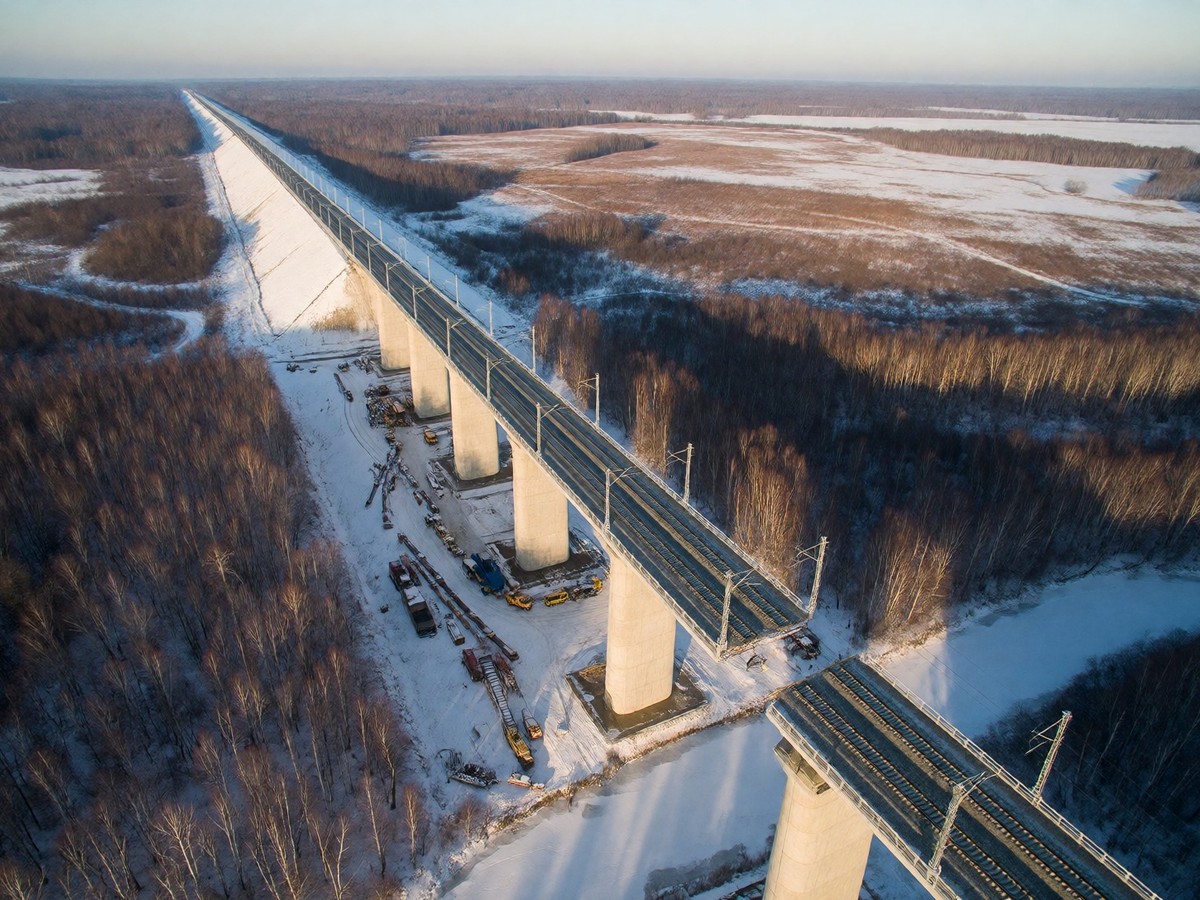
Construction of the 679 km VSM-1 line between Moscow and St Petersburg aims for a 2028 opening. This project reduces journey times to two hours 15 minutes as trains reach speeds of 400 km/h. More than 32,000 workers and 11,000 machines operate on the site, where about one third of the route uses viaducts, bridges, or overpasses. Deputy Prime Minister Andrei Nikitin and Transport Minister Dmitry Yadrov visited the pilot section between Zelenograd and Tver this month. "Production is moving at a sufficient pace, we have successfully passed all the most difficult technological stages," Nikitin said.
The government set the construction cost at RUB 1.788 trillion ($21.8bn) in January 2025, which is less than the RUB 2.3 trillion estimate from 2024. VSM Two Capitals manages the concession through loans from Sberbank, VTB, and Sovcombank, supplemented by RUB 300bn ($3.65bn) from the National Wealth Fund. This financing strategy keeps costs off the federal budget, even as RZD carries about RUB 4 trillion ($48.7bn) in debt. While officials plan a 4,500 km network of five lines by 2045, RZD investment fell to RUB 890.9bn ($10.8bn) in 2025 and remains capped at RUB 1 trillion ($12.2bn) this year. These constraints follow the indefinite postponement of a Moscow-Kazan line in 2023 and the holding of plans for routes to Adler and Minsk. Previous RZD estimates in 2019 suggested the Moscow-St Petersburg service would run by 2026.
Freight capacity and new trains
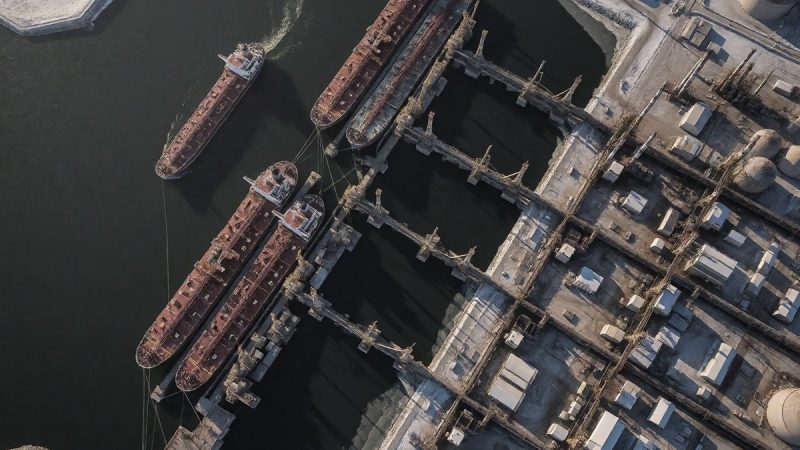
The transfer of passengers to the new line adds about 30mn tonnes of annual freight capacity to the old line for use by China-bound trade. RZD chief executive Oleg Belozerov said at the St Petersburg International Economic Forum in June 2025 that rail deliveries to the Baltic ports could fall short by 40mn tonnes a year without this capacity. The state offered freight companies 5.8 percent of the concession company for RUB 19bn ($231mn) in exchange for priority access to the rail approaches to the northwest ports, according to a report from Delovoy Peterburg in October 2024. RZD aims to raise capacity on these northwest port approaches to 220mn tonnes by 2030, up from 145mn tonnes in 2023. This capacity increase helps accommodate trade redirected toward ports since 2022.
Russian-built Bely Krechet trains will replace Siemens technology on the line after Moscow turned down Chinese involvement in 2024 to develop its own technology. Ural Locomotives, part of the Sinara group, has a contract for two pre-series trains, while the state lessor GTLK ordered 41 more for delivery by 2030. Serial deliveries should begin in 2028. Infrastructure expansion instead of building this line would cost RUB 1.6 trillion ($19.5bn), a figure much lower than the RUB 4 trillion estimated for a Trans-Altai railway to China.
| Route | Destination | Planned Journey Time |
|---|---|---|
| VSM-1 | St Petersburg | 2 hours 15 minutes |
| Line 2 | Minsk | 3 hours |
| Line 3 | Yekaterinburg | 6 hours 36 minutes |
| Line 4 | Adler | 7 hours 50 minutes |