Nominal and real wage figures
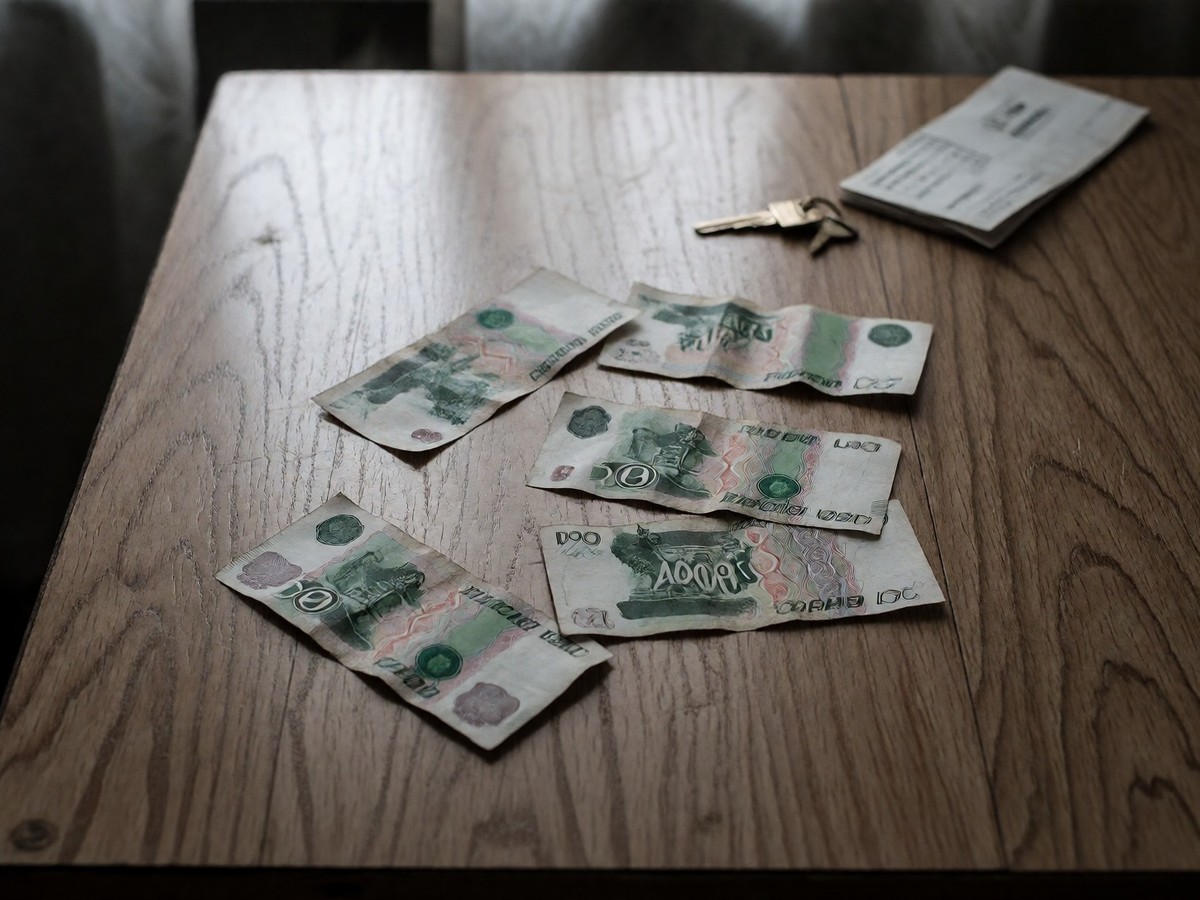
Rosstat reports that Russia’s average monthly wage rose 9.8% year-over-year to RUB103,014 ($1,253) in August. This figure dropped from the RUB109,524 ($1,333) recorded in July and the RUB114,743 ($1,396) seen in June, which Rosstat describes as a usual summer dip when bonuses fade. Real wage growth held at 3.3% in August, matching the rate from July. This growth remains below the levels seen in previous months.
| Period | Average Wage (RUB) | Average Wage (USD) |
|---|---|---|
| August 2026 | 103,014 | $1,253 |
| July 2026 | 109,524 | $1,333 |
| June 2026 | 114,743 | $1,396 |
| August 2025 | 92,866 | – |
The nominal increase against the RUB92,866 recorded for August 2025 is closer to 10.9% because Rosstat calculates its 9.8% figure using a comparable set of employers. Over the first eight months of the year, nominal wages grew 12.0% and real wages grew 5.8%. Employers keep bidding up pay because mobilisation, emigration, and the defence industry’s massive hiring needs have drained the labour market. This wage growth persists even though the economy has all but stopped growing, as GDP remained near zero in the first five months of the year. The central bank saw early signs of easing shortages as late as 2025, yet wage pressure remains high.
Economic sentiment and wage skew
The 3.3% real rise in July and August is well below the pace of early 2026, a slowdown that hits a population whose economic confidence fell to its lowest in two decades this summer. The economy ministry last month raised its forecast for real wage growth this year to 4.0% from 2.2%. The central bank saw early signs of easing shortages as late as 2025.
The official average wage overstates what most Russians earn. High earners in Moscow and the extractive regions heavily skew the mean, which keeps the median wage well below the average monthly figure. Many workers also earn undeclared cash through a large informal economy that never reaches official data or bank accounts. This disconnect makes the official reports deceptive. The economy ministry’s revised forecast for real wage growth this year to 4.0% from 2.2% ignores the reality of the stagnating GDP and the exhausted labour pool.