Rising import costs strain trade balance
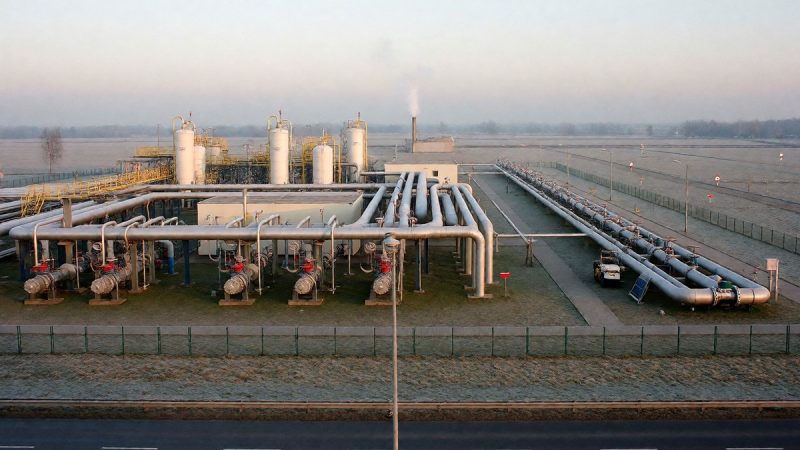
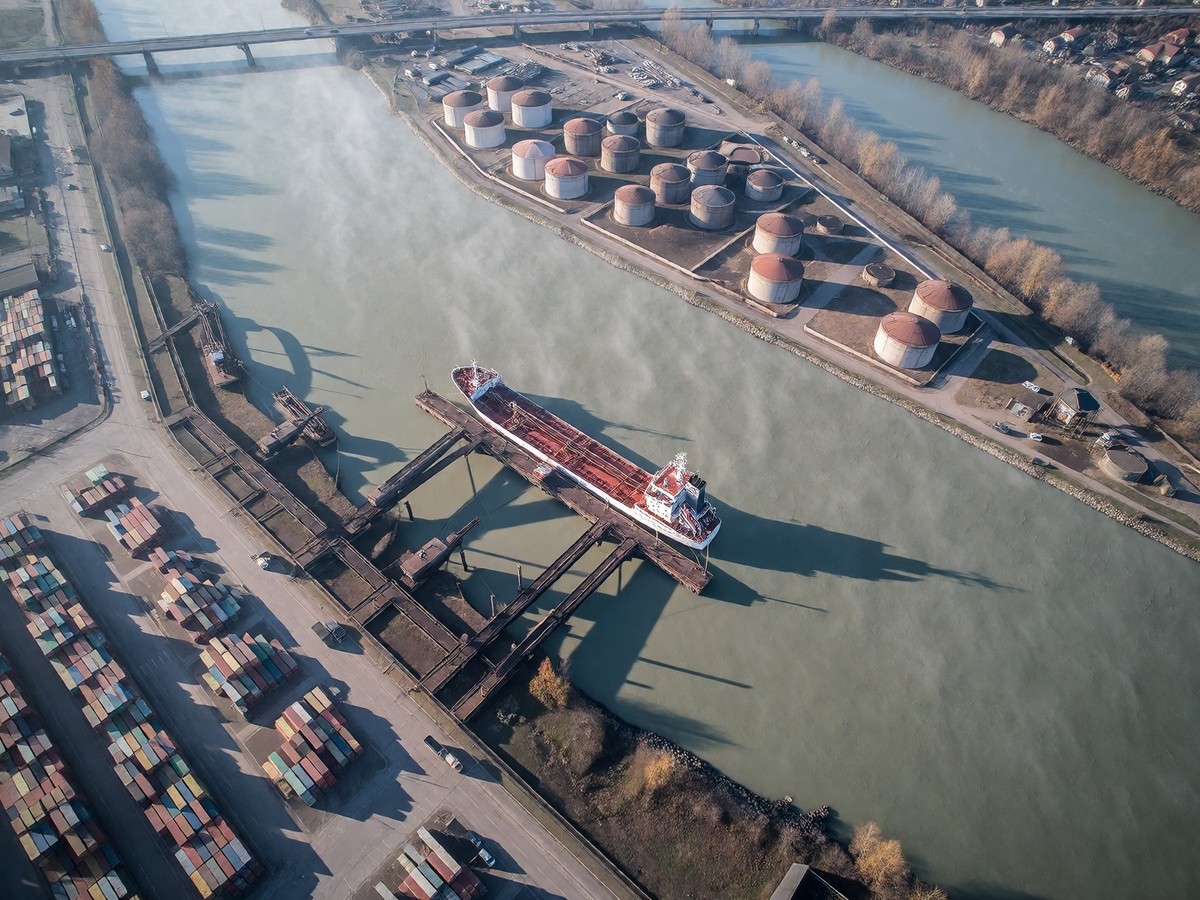
The Agency for Statistics (BHAS) reports that Bosnia and Herzegovina’s goods trade deficit grew 12.1% to BAM12.1bn (€6.19bn) between January and October 2026. This expansion occurred as imports rose 9.2% to BAM27.25bn (€13.93bn), which outpaced the 7.0% increase in exports to BAM15.15bn (€7.75bn). Imports have grown by BAM2.29bn (€1.17bn) this year, more than twice the BAM990mn (€506mn) gained on exports, and the monthly gap was wider than a year earlier in every month except January. Petroleum imports jumped 50.1% to BAM2.85bn (€1.46bn), accounting for approximately two-fifths of the total increase in the import bill. Non-ferrous metal imports rose 51.2% to BAM1.97bn (€1.01bn) and imports of iron and steel rose 17.0% to BAM1.23bn (€630mn). Italy remains the largest supplier, selling goods worth BAM3.75bn (€1.92bn) to Bosnia, with mineral fuels making up BAM1.56bn (€798mn) of those sales. While fuel prices in the region rose in March because of conflict in the Middle East, Republika Srpska provided a BAM0.10 (€0.05) per litre discount on petrol and diesel starting April 1, an extension the authority added on November 12 to run until December 15.
Export growth fails to offset import surges
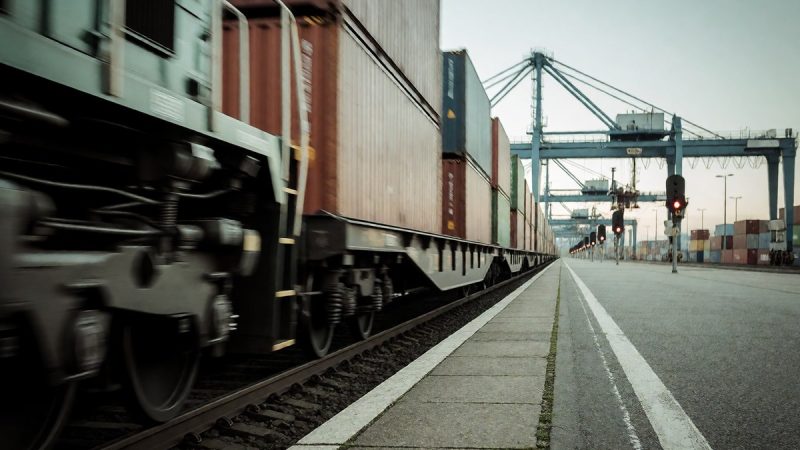
In October, exports rose 12.5% to BAM1.75bn (€897mn) and imports rose 13.8% to BAM3.10bn (€1.58bn), resulting in a monthly deficit of BAM1.34bn (€687mn). This deficit was lower than September’s BAM1.42bn (€728mn), but the spending surge clearly outweighs the gains seen in the export sector. Metal ores and scrap rose 64.8% to BAM1.25bn (€641mn) and electrical machinery rose 29.7% to BAM1.39bn (€712mn), yet electricity exports fell 19.6% to BAM586mn (€299mn). Lead ores, insulated wire, and aluminium were among the most valuable exports in the first half of the year. Iron and steel exports dropped 39.0% to BAM238mn (€122mn) and arms and ammunition fell 14.3% to BAM304mn (€156mn) after defence exports nearly halved in the first quarter. Sales to Central European Free Trade Agreement (CEFTA) countries fell 4.4% to BAM2.34bn (€1.20bn), specifically as exports to Serbia dropped 5.4% to BAM1.49bn (€761mn) and to Montenegro fell 7.9% to BAM539mn (€275mn). Croatia remained the largest export market. The European Commission expects the current account deficit to reach 5.0% of GDP this year, compared to 3.9% in 2025.
| Partner | Exports (BAM mn) | Imports (BAM mn) |
|---|---|---|
| Croatia | 2,994 | 2,214 |
| Germany | 2,242 | 2,951 |
| Austria | 1,502 | 1,029 |
| Serbia | 1,487 | 2,651 |
| Slovenia | 1,230 | 877 |
| Italy | 1,156 | 3,748 |