Export volumes climb as domestic refining stalls
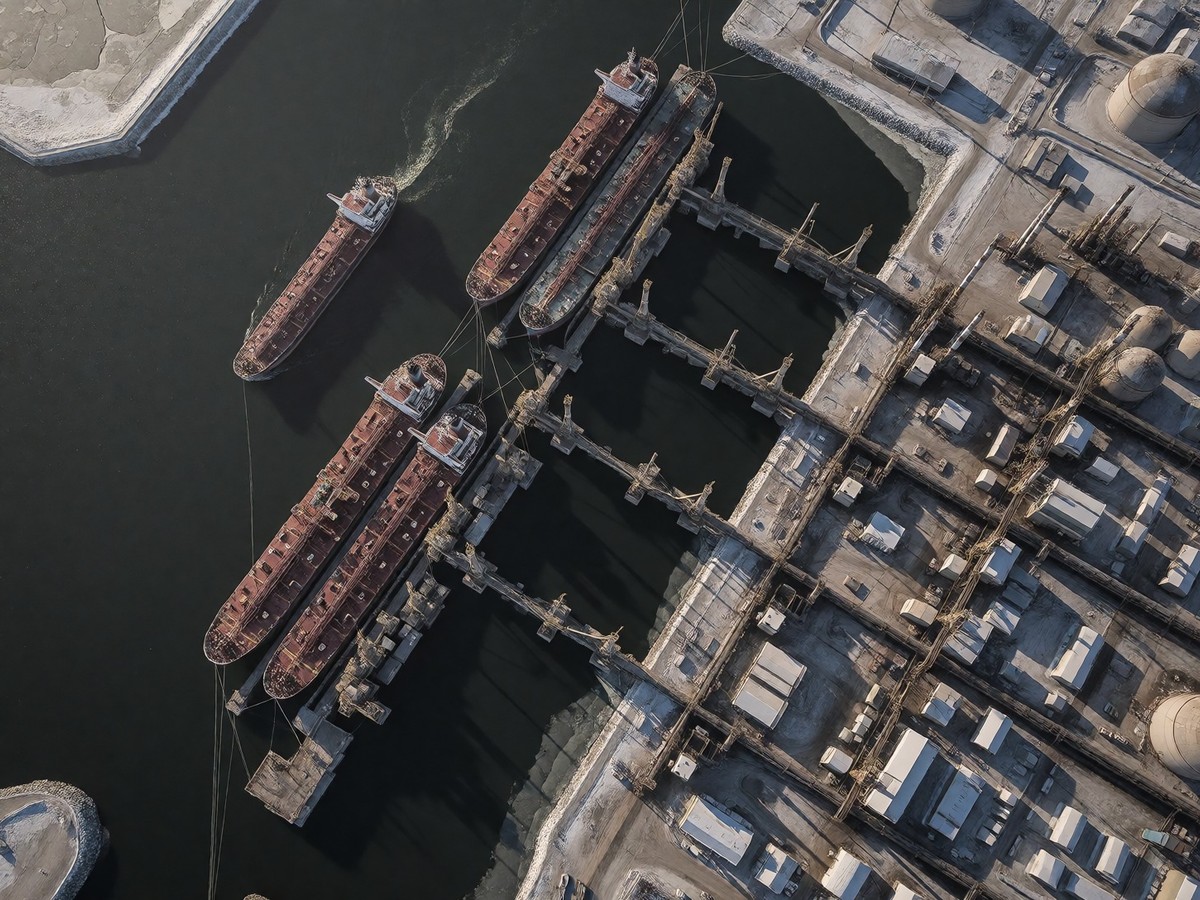
Russia’s seaborne crude exports reached 3.9mn barrels per day in the four weeks to November 15, which is the highest level since late July. This increase occurred because Ukrainian strikes forced several refineries to divert crude into export shipments instead of processing it at home. Vessel tracking shows that in the week to November 15, 39 tankers loaded 30.27mn barrels of Russian crude, which is an increase from the 23.6mn barrels moved by 31 ships during the previous week. This surge lifted weekly flows by 950,000 bpd to 4.32mn bpd, making it the highest level since June. The four-week average also grew by 280,000 bpd. Shipments bound for Asia, including cargoes with no declared destination, rose to 3.72mn bpd from 3.42mn bpd.
| Export Metric | Period/Type | Value |
|---|---|---|
| Seaborne crude exports | 4-week average | 3.9mn bpd |
| Weekly export volume | Week to Nov 15 | 30.27mn barrels |
| Weekly export volume | Previous week | 23.6mn barrels |
| Weekly flow increase | Week to Nov 15 | 950,000 bpd |
| Weekly flow | Week to Nov 15 | 4.32mn bpd |
| 4-week average growth | – | 280,000 bpd |
| Asia-bound shipments | Week to Nov 15 | 3.72mn bpd |
| Asia-bound shipments | Previous week | 3.42mn bpd |
Refinery capacity falls following drone strikes
Ukraine attacked 13 Russian refineries since the beginning of November, including strikes on the TAIF-NK facility in Nizhnekamsk and the Ilsky refinery in southern Russia. These strikes forced crude that Russia can no longer refine at home to go abroad. President Volodymyr Zelenskyy claimed the attacks disabled more than 55% of Russia’s refining capacity, although Bloomberg could not independently verify that figure. Primary oil processing at Russian refineries fell 45% over a 20-day period to about 400,000 tonnes a day, which is a sharp decline from the more than 700,000 tonnes processed in late October, according to Reuters. The disruption to domestic processing clearly pushed the excess crude into the global market through maritime routes.