The numbers behind the push
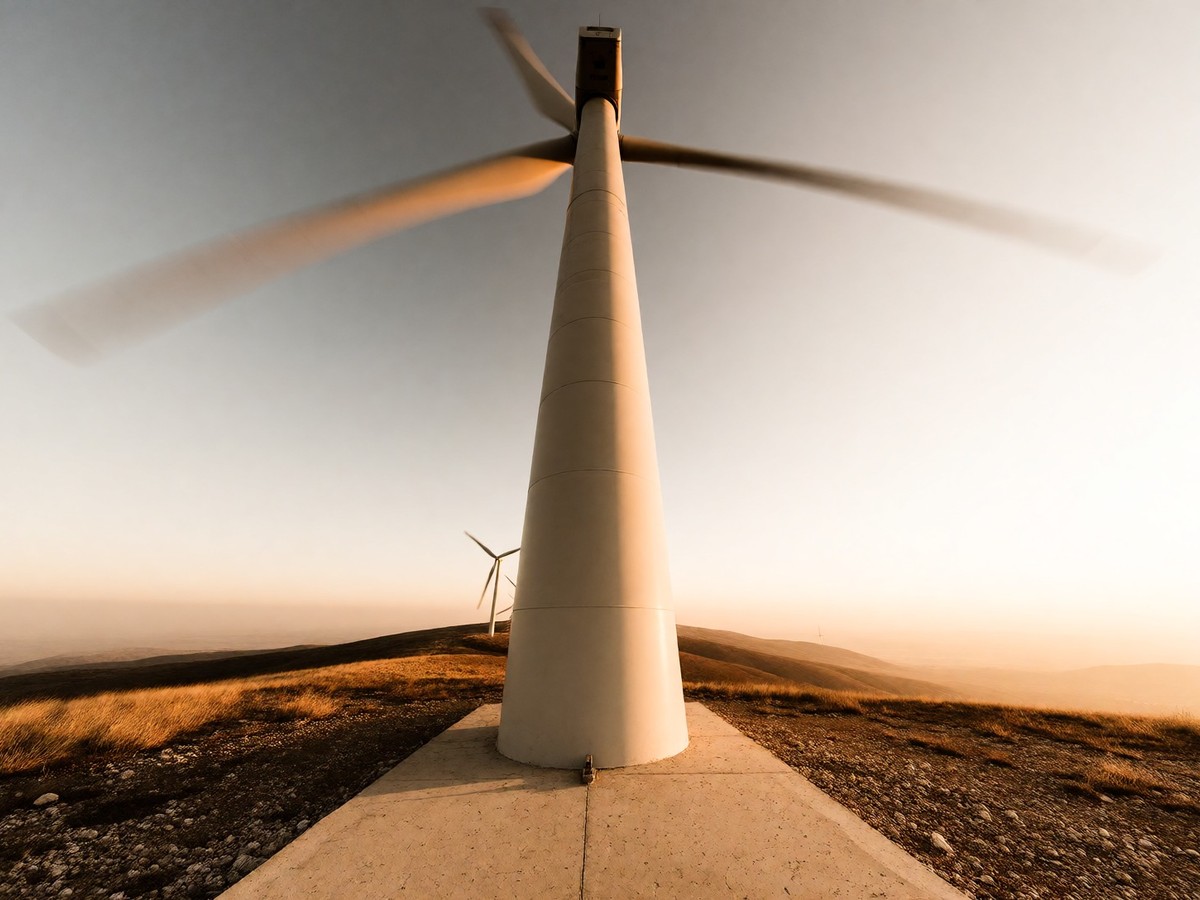
Energy Minister Alparslan Bayraktar presented the National Energy 2040 plan in Istanbul on November 5, outlining a $500bn investment strategy to cut emissions by 40% and quadruple wind and solar capacity. The ministry aims to raise installed power capacity from 123 GW to 281 GW, with renewables covering 77% of that total. Wind and solar generation will reach 175 GW, while the electric and hybrid vehicle fleet grows to 20mn out of 41mn vehicles. Nuclear power is set to hit 10 GW, providing 11% of electricity once Rosatom’s Akkuyu station feeds the grid in 2027. This ambitious roadmap seeks to make Turkey independent in energy, yet the funding structure raises immediate questions about feasibility.
The $210bn allocated to state companies like TEIAS and TPAO leaves roughly $290bn for foreign investors. That annual requirement of $22bn dwarfs the $13bn in foreign direct investment recorded across all sectors in 2025. MSCI froze changes to its Turkey indexes in October over a stock market funds scandal, casting a shadow on investor confidence. Bayraktar argued that global carbon neutrality requires shared financial responsibility, stating that everyone needs to take some responsibility and provide money for that. The plan’s success hinges on attracting capital in a market currently under regulatory scrutiny.
Coal remains central to the mix
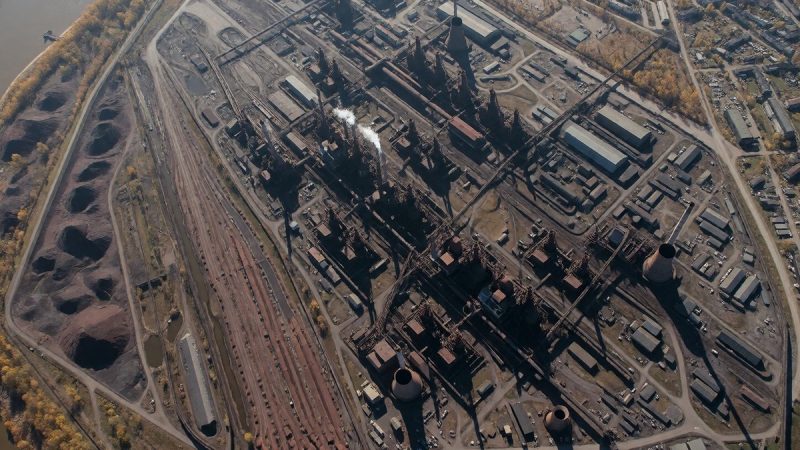
Coal stayed Turkey’s largest power source last year at 33% of generation, far ahead of solar and wind at nearly 23%. This makes Turkey Europe’s largest coal power generator, according to think tank Ember. Bayraktar acknowledged the need for a just transition but insisted that coal is necessary for security of supply. Mining and power stations employ at least 30,000-40,000 people, making a rapid exit politically difficult. The ministry’s written account omits any mention of coal or an exit date, leaving the timeline vague.
Oil and natural gas also remain part of the strategy. Turkish production must cover all projected 57bn cubic metres of gas demand and 718,000 barrels a day of oil demand in 2040. Black Sea gas production is due to double to 7.5 bcm a year, which would be about 13% of that target. Neither the ministry nor AP gave a baseline for the 40% emissions cut, so it cannot yet be set against the Climate Action Tracker, which rates Turkey’s climate targets as "critically insufficient". Bayraktar said his message at COP31 would be for countries to adopt "responsive and realistic policies". The lack of a clear coal phase-out undermines the credibility of the net zero pledge by 2053.