Size equals power
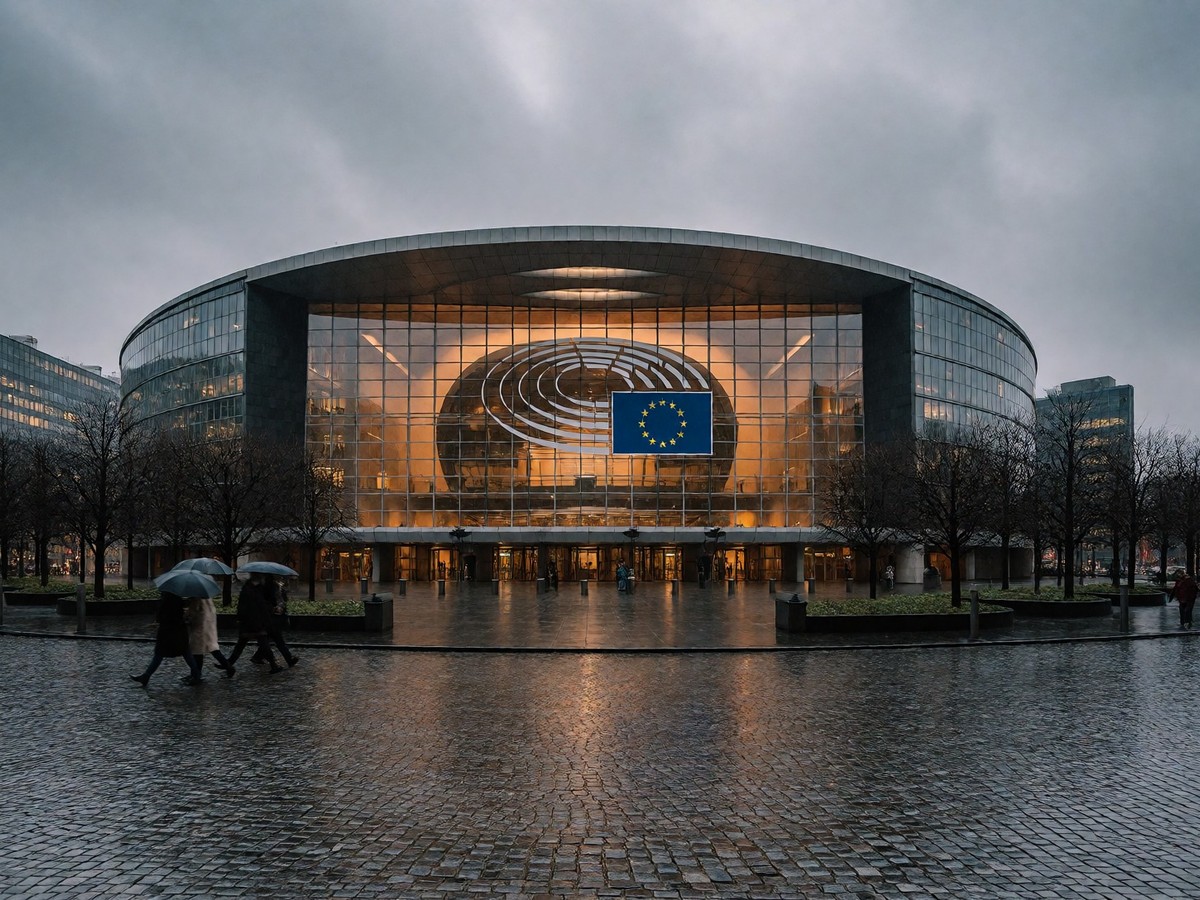
Alexander Stubb spoke at the high-level EU Enlargement Forum in Brussels on Nov. 16. He argued during the opening that "Power is about size" and "The bigger the EU, the more global power we can project." He said enlargement is a "strategic and geopolitical instrument" instead of a technical process. I see the logic in his assertion that the bloc needs more members to increase its influence. The EU recently published positive reviews regarding the accession progress made by Ukraine, Moldova, Montenegro, and Albania, and these reports laid out the specific reforms still required to bring the four countries into full alignment with Brussels. Stubb claims that "Ukraine’s EU membership is not only a security guarantee, but also a deterrence for Europe as a whole." I think expansion is better than focusing on prosperity. Stubb says enlargement is a central strategic project. He argued that the bigger the EU becomes, the more power it can project on the world stage.
Security assets and diplomatic struggles
Marta Kos, the EU’s Enlargement Commissioner, said that enlargement is part of the answer to help make sure Europe is strong enough to speak for itself, and strong enough to take control for itself. She emphasized the specific, vital contributions of Ukraine and Moldova to security. She noted that Ukraine brings "one of Europe’s strongest and most battle-tested armies" to the bloc, which provides a significant advantage for the continent. She also said Moldova brings "unmatched experience in countering cognitive warfare." I view these military and cognitive capabilities as massive advantages for the bloc’s future. Ursula von der Leyen, the European Commission President, said that expanding the EU helps the bloc "decide our own future." However, the EU has been sidelined by the U.S. and Russia from peace talks. The EU must fight for a seat in every negotiation. Ukraine agreed that the EU should be represented, but the thorny question of who can speak for Europe hampers progress. I observe that the EU remains unable to act as a single, unified voice when the U.S. and Russia dominate the negotiations, leaving the bloc without a real say in how peace is achieved.