Demands for archive access and victim identification
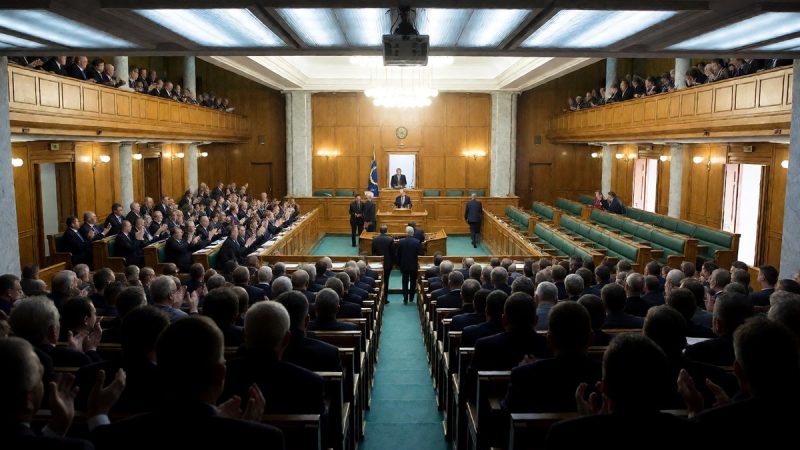
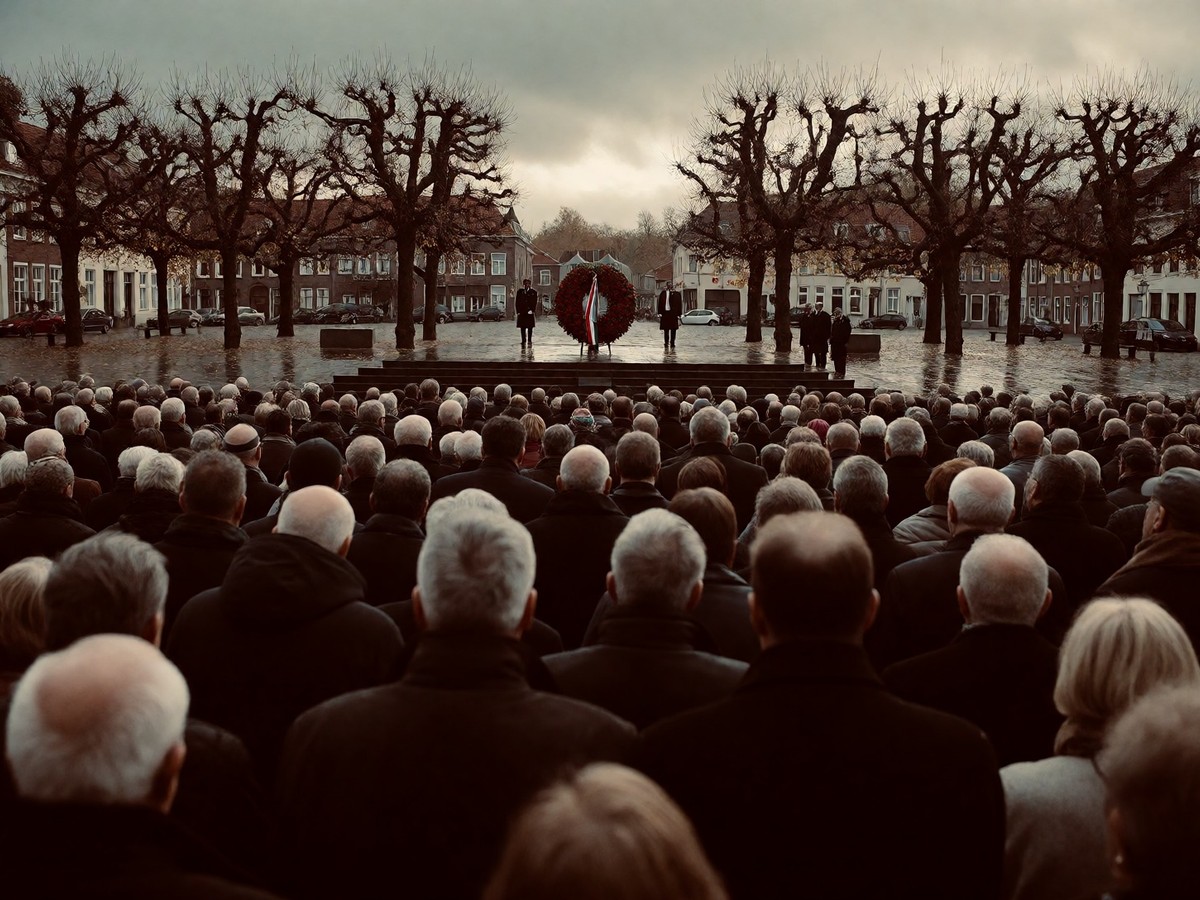
The European Parliament adopted a resolution on Thursday marking the 35th anniversary of the fall of Vukovar. The Croatian border town fell to the combined forces of the Yugoslav Army and Serbian paramilitaries on November 18, 1991. These forces committed numerous atrocities and largely destroyed the town. The resolution clearly demands that Serbian authorities grant access to wartime archives and disclose information regarding the locations of individual and mass graves. It also calls for the cooperation of competent authorities to establish the fate and whereabouts of those still missing from the Yugoslav wars.
The resolution calls for the cooperation of competent authorities to establish the fate and whereabouts of those still missing from the Yugoslav wars.
The resolution also condemns all forms of denial, minimisation, or glorification of war crimes. It notes the public honours paid to convicted Bosnian Serb war criminal Ratko Mladic at his funeral in Belgrade in July. The resolution urges Serbian authorities to grant access to relevant wartime archives, disclose all available information on the locations of individual and mass graves, fight against impunity for wartime crimes, and facilitate the recovery, identification, and dignified return of victims’ remains to their families. The resolution instructs the European Parliament’s President to forward the document to the governments and parliaments of EU member countries and Western Balkan countries.
Opposition from Serbian student movements
The Student List, a Serbian student movement that won recent parliamentary elections, clearly criticized the resolution. The movement argued that the document fails to contribute to an "objective understanding of historical events" or to reconciliation. They claimed the draft overlooks killings, persecution, and mass displacement of Serbs during the 1995 Croatian military operations Flash and Storm. The movement also stated that responsibility for war crimes must be individual and established on the basis of evidence and final court judgments, rather than attributed to entire nations. This criticism adds to the long-standing disagreement between Croatia and Serbia regarding the legacy of the 1990s war.
Austrian MEP Helmut Brandstatter from the Renew Europe group proposed an alternative resolution on regional responsibility. While the RECOM Reconciliation Network, the Humanitarian Law Centre, and other groups supported his proposal, N1 reported that Renew Europe gave up on its proposal after minor changes were made to the text. One material addition to the resolution states that families of missing persons of all nationalities also continue to wait for answers. This addition follows a 2010 tribute where Serbia’s then President Boris Tadic apologised for the crimes committed in Vukovar and stressed the importance of establishing the fate of those still missing.