The tribunal standoff
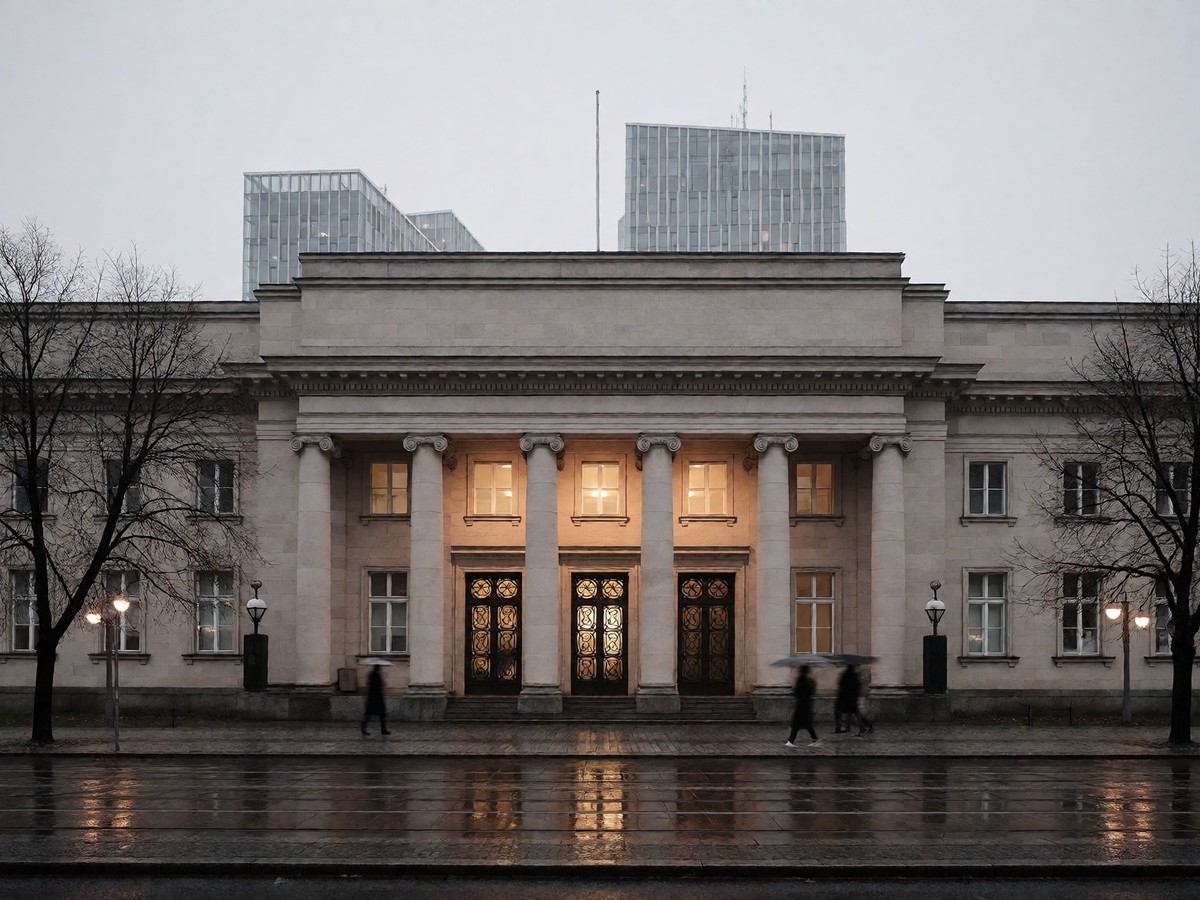
The deployment of riot police at the Constitutional Tribunal on October 30, where government-backed judges tried to oust the PiS-era chief, has pushed Poland toward a crisis that could split its central bank. I see the upcoming Sejm vote on November 5-6 regarding the trial of Governor Adam Glapinski as the primary escalation. This fight stems from a decade of conflict between Tusk’s Civic Platform and PiS, which captured the tribunal in 2016 and the Supreme Court in 2017. The tribunal, created in 1982 by the communist regime, remains a flashpoint because conservatives argue it was never properly purged. While Tusk won the release of €137bn in EU funds in December 2023 by promising to restore the courts, President Karol Nawrocki has blocked these judicial fixes through vetoes. If the Sejm passes a referral using a simple majority rather than the 276 votes required by the tribunal, Glapinski will likely argue the decision is void while the government insists his authority has ended. I believe this standoff could leave Poland with two rival claims to the National Bank of Poland, similar to the institutional fragmentation seen in Libya.
NBP board and economic specifics
The NBP management board faces a legal minimum issue because Deputy Governor Adam Lipinski’s term expires on November 4, which is also the day the Monetary Policy Council announces its next rate decision. Without a new appointment, the board falls to six members, which is below the seven-member minimum required by Article 17 of the NBP Act. I find the legal ambiguity regarding what a short-handed board can do particularly troubling for market stability. The NBP has held its reference rate at 3.75% since March 2026, and Glapinski has ruled out rate cuts until mid-2027. The case against Glapinski accuses him of misleading the finance ministry over the bank’s 2023 profit and indirectly financing budget deficits through pandemic bond purchases. Tusk has pushed for a trial since 2024, dropped the effort in February over investor concerns, and revived it in October when a Sejm committee recommended a trial.
| NBP Financial and Legal Data | Value |
|---|---|
| Reference Rate (since March 2026) | 3.75% |
| Zloty to Euro exchange | > 4.40 |
| NBP Gold Holdings | 632 tonnes |
| Required Sejm votes for referral | 276 |
| Minimum Board Members (Article 17) | 7 |
The Tusk administration rejects the bank’s candidates because President Karol Nawrocki continues to veto judicial appointments. While MPC member Ludwik Kotecki told PAP the council could set rates on its own analysis, I believe the authority to move reserves or authorize operations remains at risk. The NBP belongs to the European System of Central Banks, which protects governors against arbitrary dismissal under Article 14.2 of the ESCB statute.
The risk of monetary fragmentation
The zloty has weakened past 4.40 to the euro as the political fight over the judiciary impacts investor confidence. I see the NBP’s record 632 tonnes of gold as a potential fallback, though Glapinski and Nawrocki have discussed using unrealised gold gains of about PLN197bn to fund a defense program. This situation also forces the ECB to consider whether to defend Glapinski or side with Brussels. If Frankfurt recognizes the Tusk government over Glapinski, it may lead to a breakdown in monetary plumbing between Poland and the EU. Such a split could force Polish institutions to rely on dollar-denominated channels if euro settlement becomes unreliable. This is not a theoretical fear, as the dispute over gold access in Venezuela showed how foreign custodians can influence central bank fates. I also note that while Poland’s money is tied to European institutions, its security interests remain linked to Washington, where Nawrocki has ties to Donald Trump and Warsaw is negotiating a permanent US base. A clash between Polish and European institutions remains a risk for the entire region.