Latvia’s male-dominated cabinet
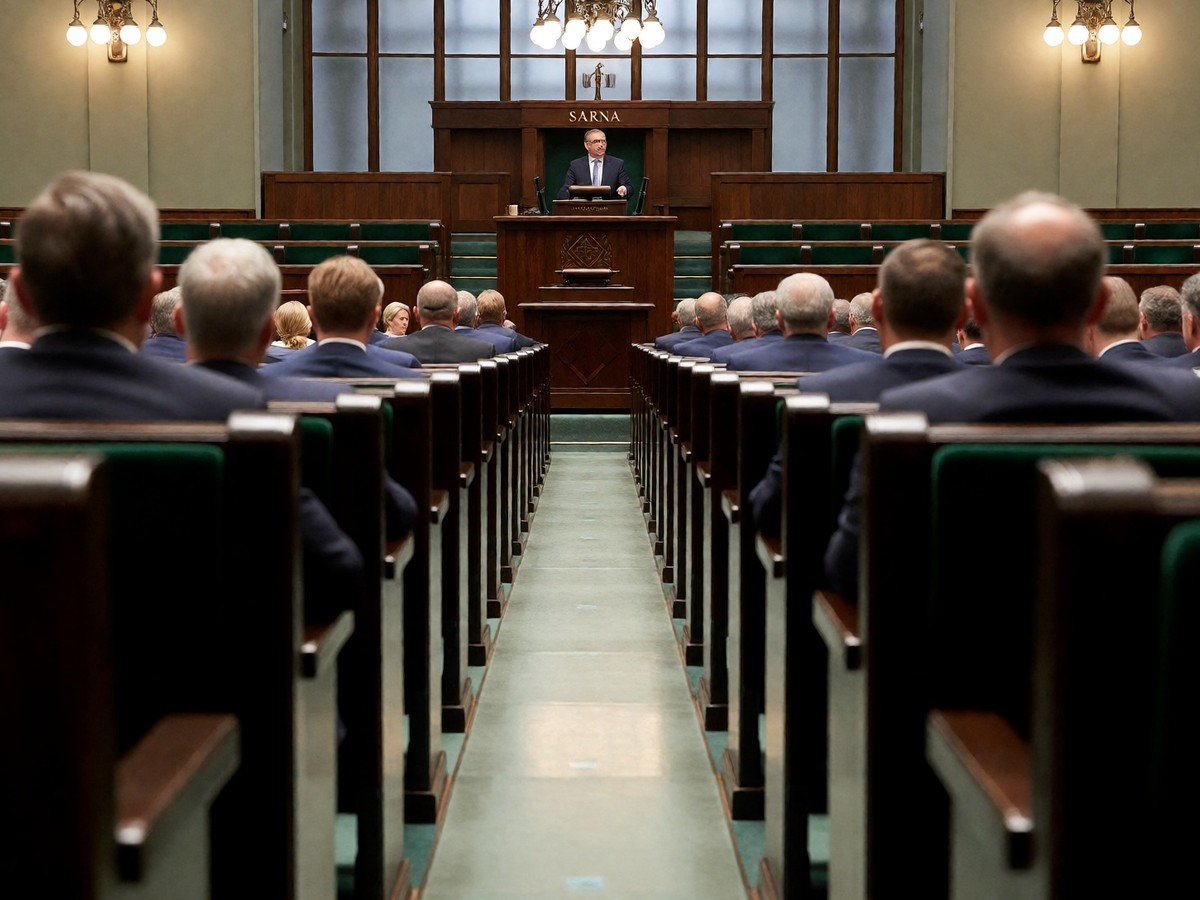
The new Latvian government has just one woman among its 14 members. Welfare Minister Ilze Indriksone of the National Alliance is the only woman among the 13 ministers. Prime Minister Andris Kulbergs will oversee the climate and energy portfolio until the ministry is abolished. With President Edgars Rinkevics and parliamentary speaker Edvards Smiltens also men, women hold just one of Latvia’s 16 top political positions. Male dominance is the most striking feature of the new cabinet. After the resignation of Evika Silina in May, Andris Kulbergs built his second cabinet around private-sector specialists and a €2.9bn fiscal reform programme for 2027 to 2030 to manage the country’s affairs. This shift follows a year where women lost premierships across Eastern Europe. In Lithuania, Mindaugas Sinkevicius replaced Inga Ruginiene as prime minister in July after the party expelled the radical-right Nemuno Ausra from the coalition. In Ukraine, President Volodymyr Zelenskiy asked Yulia Svyrydenko to step down in a mid-July reshuffle, a year after she became the country’s second woman prime minister. Parliament confirmed Naftogaz chief Serhii Koretskyi as her successor on July 16 with 289 votes.
Regional presidential roles and shifts
Women hold six presidencies across the region, but most of these are largely ceremonial positions. Bulgaria’s Iliana Iotova won the November 1 presidential run-off with 57.57% of the vote, becoming the first woman elected to the position. Her role primarily involves signing legislation, representing the country abroad and appointing officials. Estonia’s parliament elected Ulle Madise, who took the presidential oath on October 12 after receiving 71 votes. In Kosovo, Justina Shiroka-Pula was elected president with 81 votes on October 7, six months after the term of Vjosa Osmani ended. These leaders join Maia Sandu, who is serving her second term as Moldova’s president, Gordana Siljanovska-Davkova and Natasa Pirc Musar. Pirc Musar works alongside a government led by Janez Jansa, who took office in June and faced criticism from the president. Negotiations on a new state government following the October general election have yet to begin, which leaves Borjana Kristo, the chair of Bosnia & Herzegovina’s Council of Ministers since January 2023, as the only woman heading a government in the region.
Ministerial data and Central Asia
The gender balance in Albania changed when Prime Minister Edi Rama dismissed deputy prime minister Belinda Balluku after her indictment over road tenders. By January 2026, women held six of Albania’s 13 ministries, or 46.2%, according to the Women in Politics 2026 map published by UN Women and the Inter-Parliamentary Union. Albana Kociu, who became the first woman to head Albania’s interior ministry in 2025, was promoted to deputy prime minister. In Estonia, five women are among the 13 members of Kristen Michal’s government and they head the culture, economy, education, justice and digital affairs, and social affairs ministries. Moldova’s government led by Vasile Tofan has four women among 17 members, including Finance Minister Victoria Belous and Interior Minister Daniella Misail-Nichitin.
| Country | Women in Ministerial Positions (2026) |
|---|---|
| Albania | 6 of 13 (46.2%) |
| Estonia | 5 of 13 |
| Moldova | 4 of 17 |
| Kazakhstan | 4 of 21 |
| Kyrgyzstan | 2 of 18 |
| Tajikistan | 2 of 14 |
| Uzbekistan | 1 of 20 |
In Central Asia, no woman leads any of the five states. Women held four of Kazakhstan’s 21 ministries at the start of 2026, two of Kyrgyzstan’s 18, two of Tajikistan’s 14 and one of Uzbekistan’s 20. In Uzbekistan, Tanzila Narbayeva has chaired the Senate since 2019, while President Shavkat Mirziyoyev’s daughter Saida Mirziyoyeva heads the presidential administration. In Azerbaijan, Mehriban Aliyeva, the president’s wife, has been first vice-president since 2017. Globally, women’s share of ministerial posts fell to 22.4% in January from 23.3% in 2024, according to UN Women.