The December 1 closure
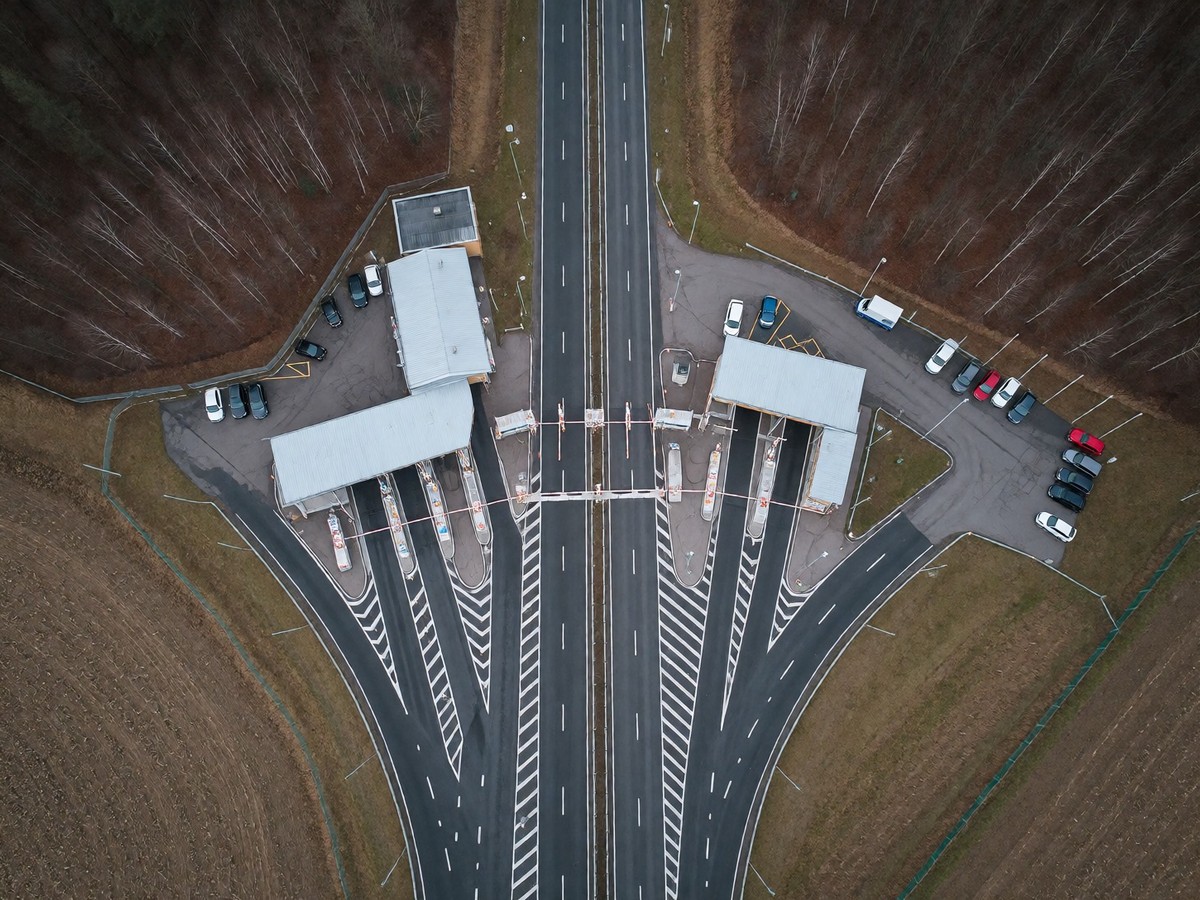
The Estonian government will close all its road border crossings with Russia on December 1 following the increasing frequency of sustained aggression against all of Europe. This decision follows an attempted arson attack against an Estonian drone company on November 14. Foreign Minister Margus Tsahkna proposed the measure on November 15. He stated that "Russia’s hostile actions have consequences." I find the government’s formal adoption of this plan necessary following the November 14 arson, as Tsahkna described the decision to close the border to road traffic as "protecting not only its own security, but also that of the EU." Estonia will review the decision after six months. This action follows the example of Finland, which closed its land border with Russia indefinitely in 2024. Tsahkna previously stated that Estonia would introduce additional security measures if these attacks continued. The Estonian foreign ministry’s announcement of the border closure included a map showing Russian attacks covering the breadth of Europe, which led some to say the term "hybrid" no longer describes Moscow’s stance.
Russian aggression across Europe
Russia’s recent activities include coordinated efforts to destabilize neighbors and target officials. In November, Russia planned a false-flag attack on the border with Poland and used graffiti to attempt to sow distrust between the Poles and Ukrainians. Russian forces repeatedly attacked cargo ships in the Black Sea off the coast of Bulgaria and Romania. Drone incursions also menaced Moldova, including one specific instance where a drone flew over the capital city of Chisinau. I find the Russian cyber attacks against the world hockey federation and the German drone manufacturer Quantum Systems to be particularly brazen. The EU sanctioned the Russian hacker group understood to have been behind the hacking of the devices belonging to Italian Foreign Minister Antonio Tajani to obtain and leak personal information about him, his family, and all other Italian officials. These various methods of threat demonstrate a pattern of behavior that goes far beyond typical border disputes. The scale of these many incidents, including the attempts to divide Poles and Ukrainians and the drone flights in Moldova, shows that Moscow’s stance remains aggressive.