Retired general Mieczyslaw Bieniek, an advisor to defence minister Wladyslaw Kosiniak-Kamysz, said Poland prevented a Russian false-flag operation at the border. He told TVN on Thursday that the planned incident could have "ended tragically" because the operation could have involved Russian citizens disguised in Polish or Ukrainian uniforms. Retired general Bieniek explained that if a group of people crossed the border and later dressed in those uniforms to carry out an attack, the side whose uniforms they wore would naturally be blamed. He added that the preventative action by Poland forced the other side to desist from these acts. This follows a report earlier this week by a leading newspaper, based on statements by unnamed senior officials, that Poland had foiled an attempt by Russia to carry out a major "provocation" on the border with the Russian exclave of Kaliningrad. One source in that report compared the planned incident to the 1939 Gleiwitz incident, in which German operatives used Polish uniforms to justify an invasion of Poland. The newspaper reported that Russia could have mounted an attack on its own facilities and then blamed Ukraine for the event. These concerns prompted Poland to bolster security in regions along the Kaliningrad border in late October. Prime Minister Donald Tusk also received signals that "unacceptable events could occur" near the Polish-Russian border.
Security forces counter escalation
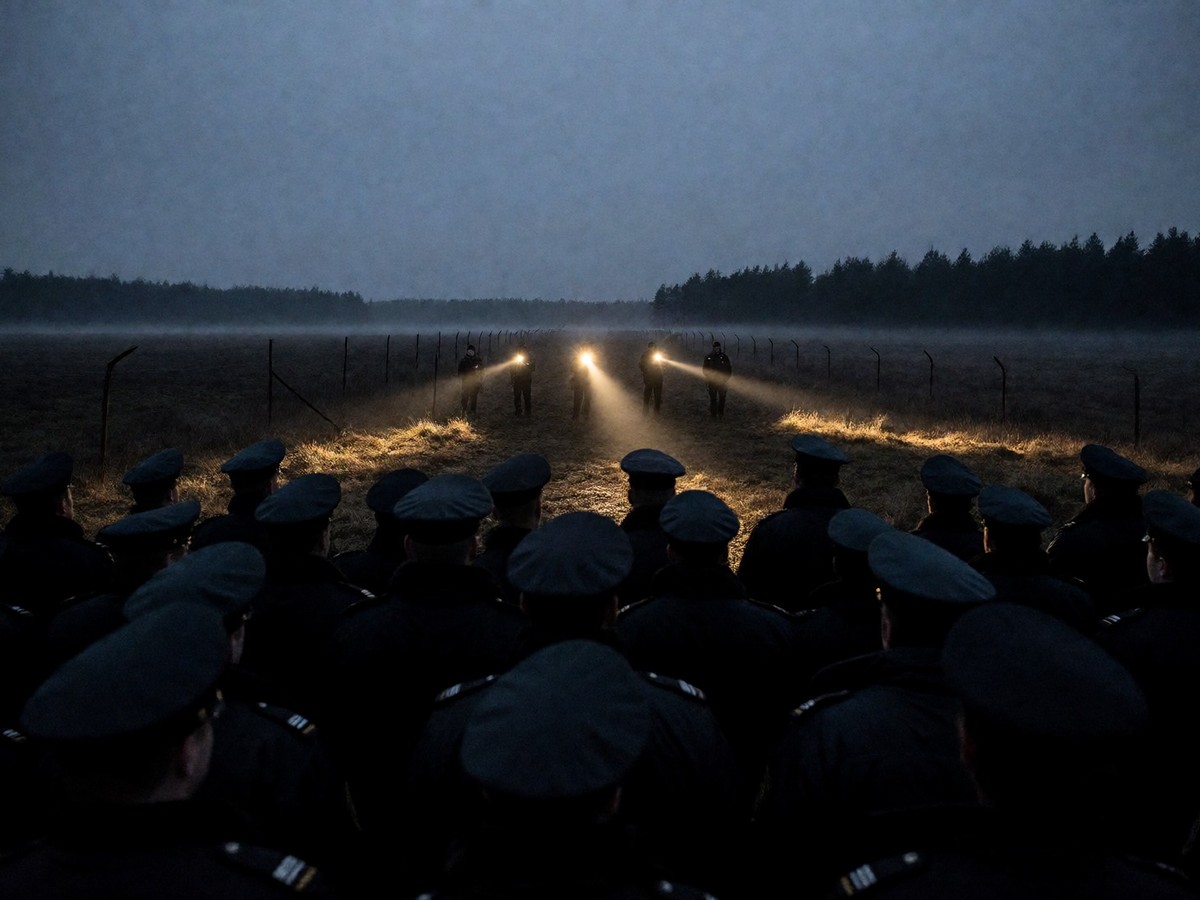
Prime Minister Donald Tusk said on 3 November that Poland managed to prevent a provocation after security forces spotted "individuals with flashlights" near the border. He told journalists that the mobilization of the border guard and police in that location blocked any plans to carry out a provocation, though he kept further details confidential. Minister of security services Tomasz Siemoniak told Rzeczpospolita that the border guard, police, and military took appropriate actions because they recognized a real threat. When asked if Russia planned a terrorist attack, Siemoniak said he could not share information and suggested that one would have to ask the Russians, as they usually do not admit to planning such actions. Siemoniak added that the security services took those steps because they recognized a real threat. On Wednesday afternoon, Kosiniak-Kamysz was asked by journalists about reports of a planned border provocation. He said it did not happen because the government responded appropriately. He noted that Russia is climbing the escalation ladder through airspace violations, attempted train bombings, sabotage of arms factories, and cyberspace activity. This follows a Friday morning incident where two Russian missiles and a drone entered Polish airspace and hit the ground in three locations. Tusk called the missile strikes an "intentional provocation" and a further "Russian escalation." This follows a June announcement by foreign minister Radoslaw Sikorski that he expected an attack on Russian territory under a false flag, to which Putin will "respond".