Polish parliament eases abortion laws
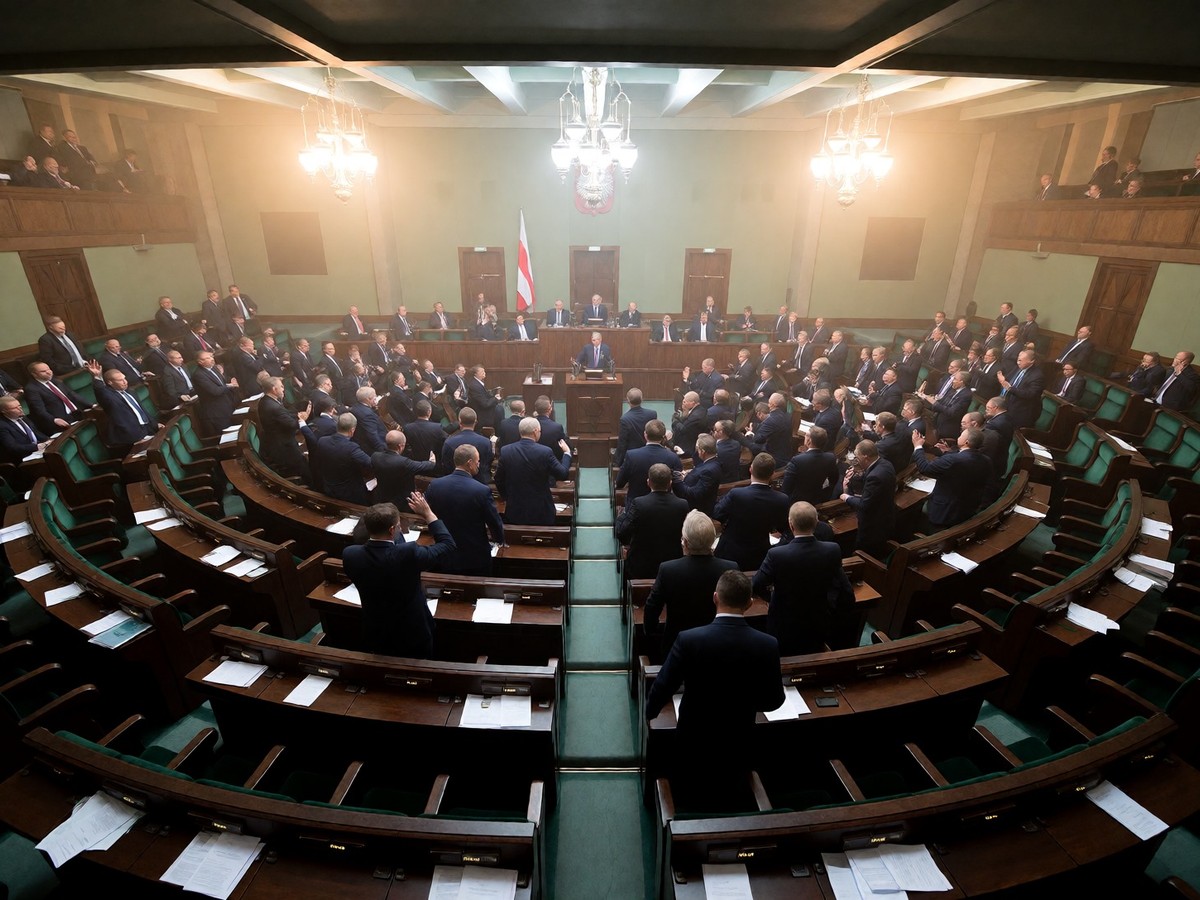
Clearly, the most important development is that Polish parliament passed two bills to loosen abortion restrictions, with the narrowest vote of 217 to 213 concerning criminal penalties and the second bill, restoring grounds removed by a 2020 ruling, passing by 233 to 203. This second bill restores access to abortion in cases of severe foetal abnormalities and partially decriminalises assistance in obtaining one. The legislation now heads to the Senate before reaching the president. President Karol Nawrocki can veto these changes. Zbigniew Bogucki, head of the president’s office, said Nawrocki’s position "has not changed and will not change" regarding protecting life "from conception to natural death." I find the political situation messy because Donald Tusk’s 2023 coalition promised reform but faces internal divisions. The government has relied on administrative measures to expand access under existing exceptions, leaving doctors and hospitals discretion over women’s care. This issue has fresh political urgency as elections approach. A September poll showed only 29 per cent assessed the government’s performance positively. Justyna Wydrzynska of the NGO Abortion Dream Team said, "The clock is ticking and time is running out," while the organisation FEDERA called the changes insufficient.
Tensions over Ukrainian commemorations
The most pressing news is that the Lviv Regional Council declared 2027 a year commemorating the Ukrainian Insurgent Army, Roman Shukhevych, and Oleh Olzhych, a move that hits a raw nerve in Poland. Warsaw remembers the UPA for massacres of Polish civilians in Volhynia and Eastern Galicia from 1943 to 1945, atrocities Warsaw considers genocide. Defence Minister Wladyslaw Kosiniak-Kamysz condemned the decision, and Radoslaw Sikorski announced a five-year Schengen entry ban against Svyatoslav Sheremeta, the regional councillor behind the initiative. I see that the fallout may have gone beyond mere protests. Donald Tusk warned that the decision benefited Ukraine’s enemies. Polish media reports that Warsaw suspended discussions over a possible loan to Ukraine, and European Pravda reported that a military assistance package was put on hold, though the Polish Defence Ministry denied the latter claim. This dispute is rooted in World War II history and has strained relations between the neighbours despite their cooperation since the full-scale invasion. President Volodymyr Zelensky’s office assured Polish officials that the decision would not be implemented.