Student List wins majority
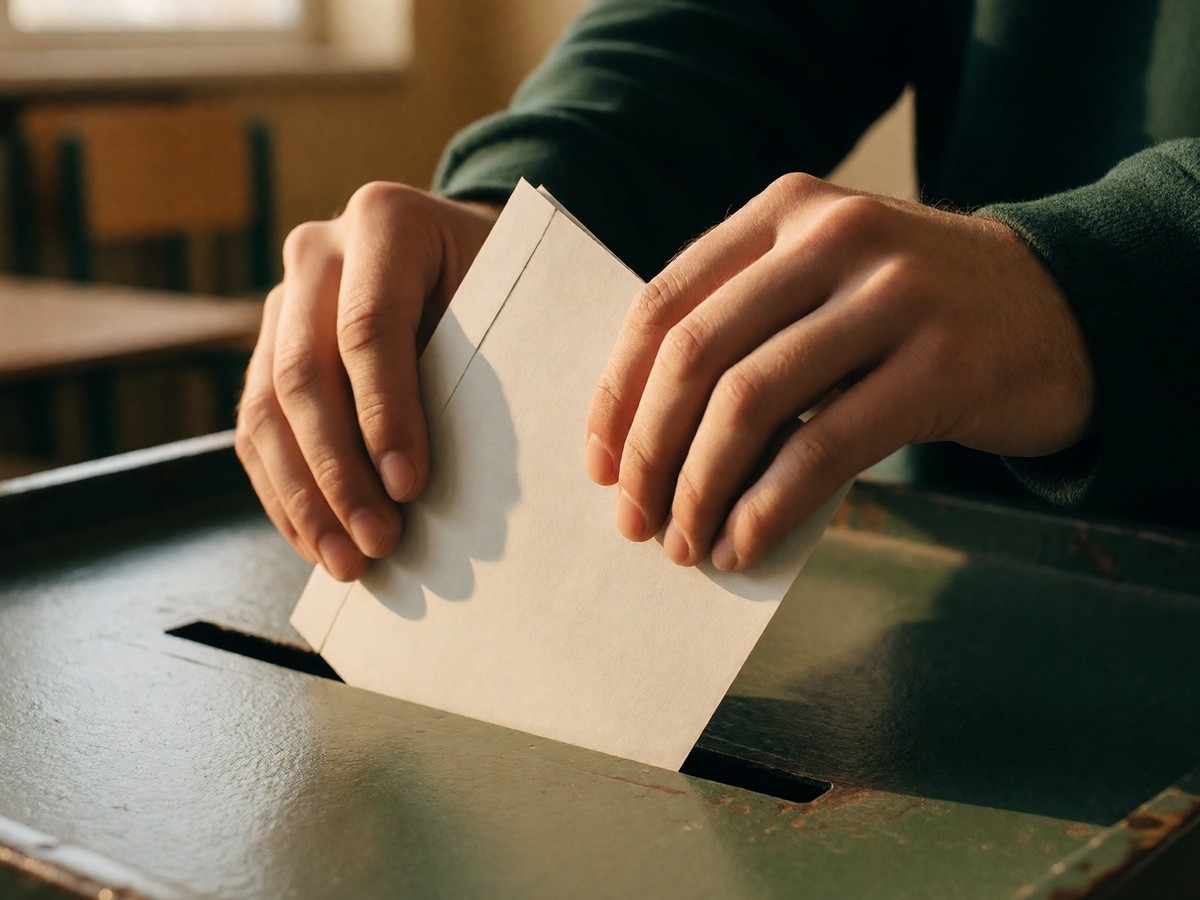
The Student List won 53% of the vote in the October 25 elections, ending the rule of former president Aleksandar Vucic. This movement, which emerged from student protests and developed into a broader political campaign, makes strengthening the rule of law and fighting corruption central to its programme. I see the mandate as a way to address EU requirements concerning the judiciary, fundamental rights, justice, and security, but the movement lacks the two-thirds parliamentary majority required for certain judicial appointments. This absence of a supermajority for confirming senior judges and prosecutors could complicate efforts to strengthen judicial independence despite the electoral results. Nina Vujanovic, a Bruegel economist, wrote that the defeat of the pro-Russian former president Aleksandar Vucic is seen as potentially putting Serbia back on track to become a member of the European Union. The European Commission is revising its enlargement approach, which could create an opportunity for closer integration before formal membership. Progress on these issues could also release EU financial assistance currently withheld under the Growth Plan, especially as the movement identifies the EU as essential to Serbia’s economic development.
Regional economic influence
Serbia accounts for half of the Western Balkans’ population and gross domestic product, giving it influence over Albania, Bosnia and Herzegovina, Kosovo, Montenegro, and North Macedonia. The EU is the largest trading partner for Serbia and provides two-thirds of its exports, which is particularly important for the country’s automotive industry and its associated supply chains. Vujanovic argues the incoming government should explore new trade arrangements like a Deep and Comprehensive Free Trade Agreement to improve market access, similar to how the EU concluded arrangements with Moldova and Ukraine. Such a move could benefit Kosovo, Bosnia and Herzegovina, and North Macedonia, where accession processes have moved slowly. The Student List also focuses on economic cooperation through the Central European Free Trade Agreement (CEFTA). Vujanovic suggests that reviving economic and trade relations between Serbia and Kosovo under CEFTA could provide an initial step toward repairing their strained relationship. I believe the movement’s popularity across the region could give it the scope to promote cooperation with neighbouring governments. Greater integration could create opportunities for European companies to expand regional supply chains, particularly in green investment and manufacturing industries where the Western Balkans has relatively low production costs. The EU requires good neighbourly relations and post-war reconciliation for membership, areas which I note deteriorated under Vucic’s leadership. Better regional relations would be important for countries whose progress towards EU membership depends on resolving bilateral disputes and strengthening economic links.