Parliamentary selection and election results
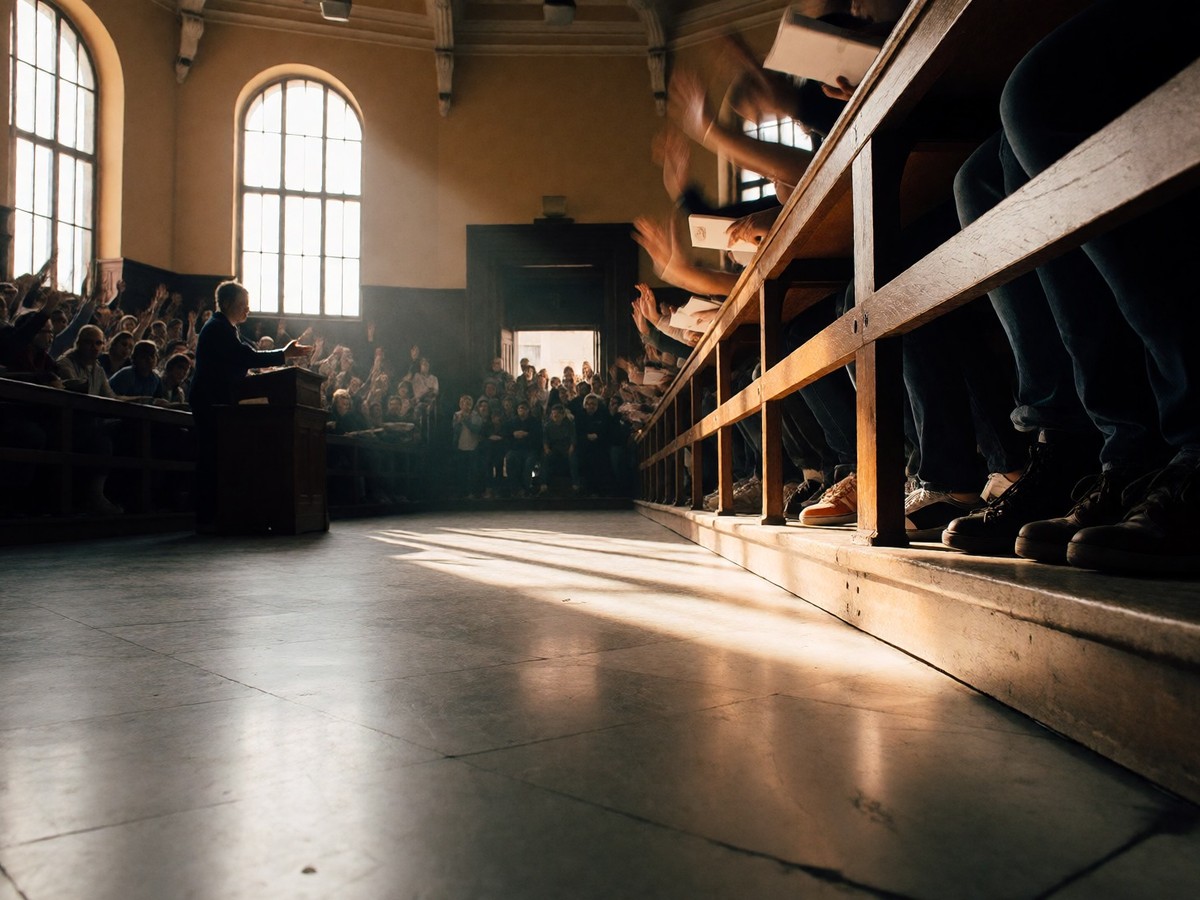
Faculty assemblies distributed quotas to select 250 parliamentary candidates through a painstaking practice of direct democracy. Every name then underwent nationwide scrutiny because faculties could challenge and collectively veto the choices of one another. The "Student List – Students Are Winning" included workers, farmers, academics, doctors, and judges and reflected the breadth of Serbian life that students encountered on foot during their two years of determined work, courage, and sacrifice. On September 9, 492 days after students first called for early elections, Aleksandar Vucic called for a vote. Eighteen days after that call, Vucic resigned the presidency to run for prime minister.
The Student List secured 52.71 per cent of the vote against 39.17 per cent for the then-ruling Serbian Progressive Party. This decisive victory won the students an outright parliamentary majority and made the student victory absolute. Millions of citizens contributed whatever time, skills, and resources they could to a campaign launched by student working groups that had been established months earlier. Most opposition parties stepped aside and left a formidable infrastructure of civic self-organisation to lead. Because turnout reached a historic high, students and citizens organised in nearly every corner of Serbia to safeguard the vote against fraud and manipulation.
| Election Detail | Value |
|---|---|
| Student List Vote Percentage | 52.71 per cent |
| Serbian Progressive Party Vote Percentage | 39.17 per cent |
| Days from student call to election call | 492 days |
| Days from election call to Vucic resignation | 18 days |
| Candidate Quota Total | 250 candidates |
Regional political shifts
The regime maintained close ties to Putin’s Russia and presented itself to Europe as a guarantor of stability. This government also fueled tensions across the Western Balkans for many years. By bringing down this regime, the students loosened the grip of a politics that had held the region’s future hostage for too long. This change allows the Western Balkans and the EU to finally begin building the future they spent many years waiting for. At the beginning, these young people had little more than imagination and the stubborn hope that their country could be different. They brought millions alongside them through two years of determined work, courage, and sacrifice to ensure a democratic Serbia where they might finally imagine a future of their own. The students accomplished something far beyond a change of government.