Vucic allegedly planned to use force
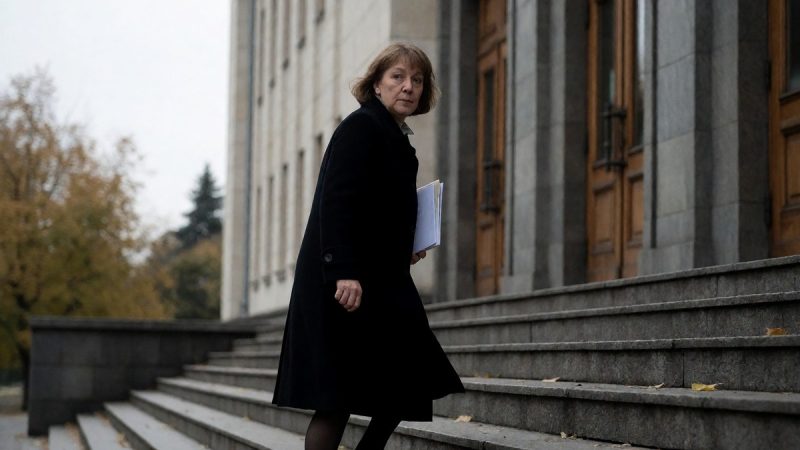
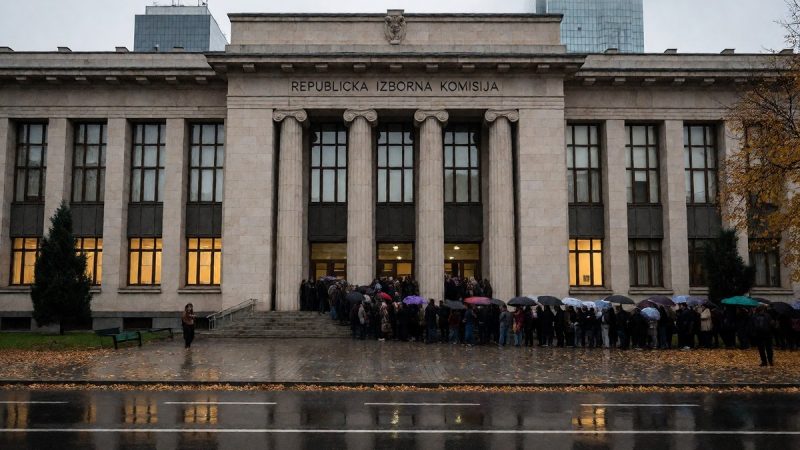
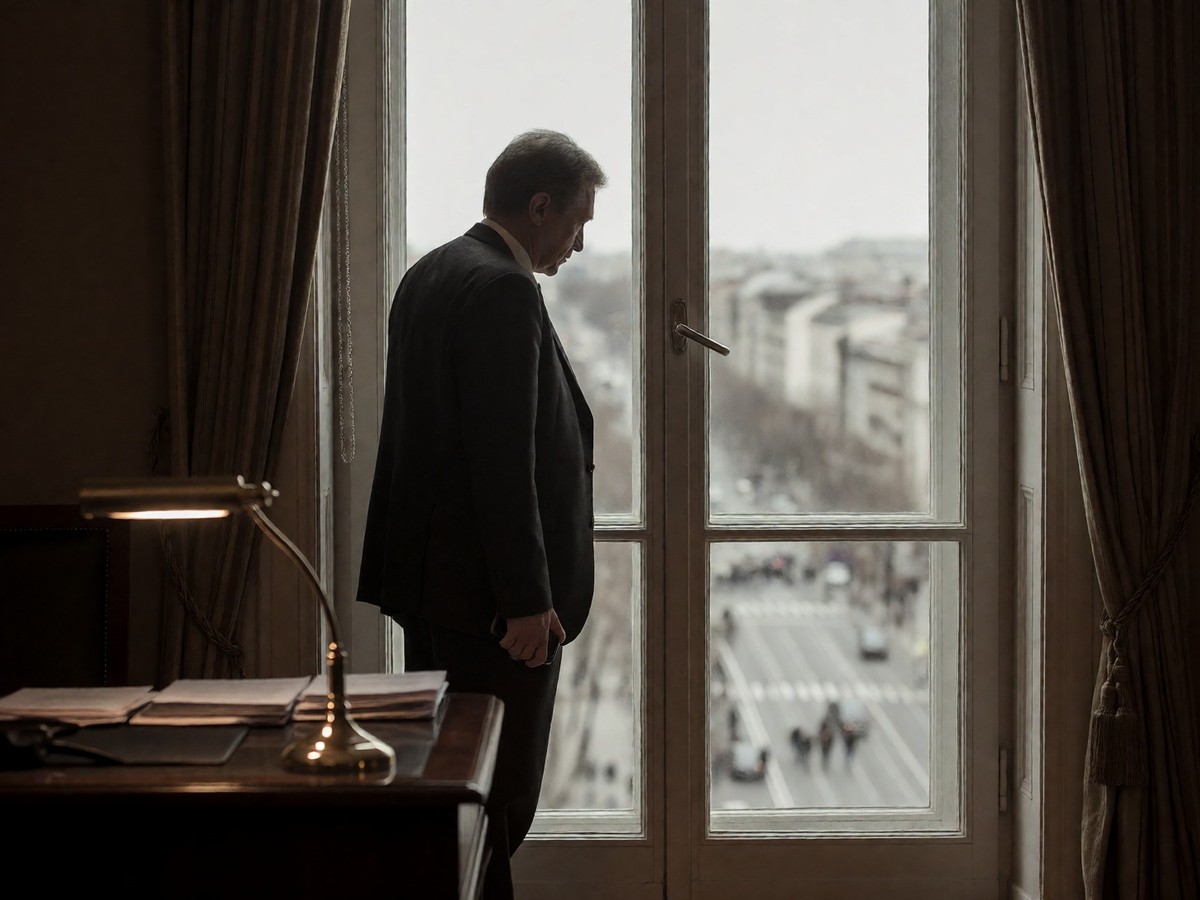
Spasoje Vulevic, who commanded the Special Anti-Terrorist Unit from 2005 until his removal in September 2025, told The Times that Aleksandar Vucic sent 4,000 police and 3,000 thugs to central Belgrade to protect his regime. While the interior ministry said Vulevic’s removal was at his own request, N1 reported the move came at Vucic’s request. Vulevic stated Vucic was ready to refuse the October 25 election result by force. Radomir Saicic, a leading Student List candidate, said Vucic received calls from the police and others that changed his mind after the Student List won with a 500,000-vote lead. Saicic also noted a former police officer who warned colleagues against shooting protesters received an anonymous threat reading, "The first bullet is for you." Sandro Gozi, an MEP who heads the European Democratic Party, said his group issued a statement at 6:43pm on election day warning that Vucic’s party may be mobilised to provoke confrontations. Vucic’s spokeswoman denied the plan to seize power, stating the police presence responded to threats of violence from protesters. At 9:30pm, which was 90 minutes after the polls closed, Vucic conceded the election. During this time, men dressed in black headed toward Pioneers’ Park, opposite parliament, to reoccupy a tent camp where Vucic supporters had squatted for months. Gendarmerie officers took up positions, roads closed to traffic, and street lights switched off. IntelliNews reported in an op-ed that repression and violence are tools for long-serving leaders, but Vucic faced risks of a color revolution similar to Ukraine’s Maidan protests or those in Minsk. I find the account of a massive, coordinated street crackdown to be unconvincing because Vucic conceded within hours of the results.
Ideological friction in the Balkans
The election outcome in Belgrade creates an ideological divide between the new Serbian leadership and the governments in Prague, Bratislava, and Budapest. Petr Cermak, a Research Fellow at the Association for International Affairs, notes that the individualist, top-down governance of leaders like Andrej Babis, Robert Fico, Viktor Orban, and Magyar stands in contrast to the bottom-up, egalitarian ethos of the Serbian protest movement. To handle the restructuring of NIS, the new Serbian administration must engage in pragmatic negotiations with external partners. Central European capitals will have to reach out and meet the new Serbian leadership halfway to maintain their footprint in Belgrade. Vulevic believes Vucic received calls from European governments at the highest level, while unconfirmed rumors suggest Viktor Orban, who lost the Hungarian election in April, talked him down. Rade Djuric, a lawyer, suspected the plan involved citing voting irregularities to call for reruns and provoke protests. Saicic mentioned the men gathered in the center of the capital vanished after Vucic conceded. Re-engaging with a post-Vucic Serbia is an unavoidable geographic reality, and congratulating the clear winner is merely the first symbolic step toward an inevitable recalibration. I find the idea that a decisive 500,000-vote landslide would lead to a complete political meltdown in Belgrade to be an unlikely scenario given the geographic necessity for pragmatic compromise.