Crypto trading moves to regulated venues
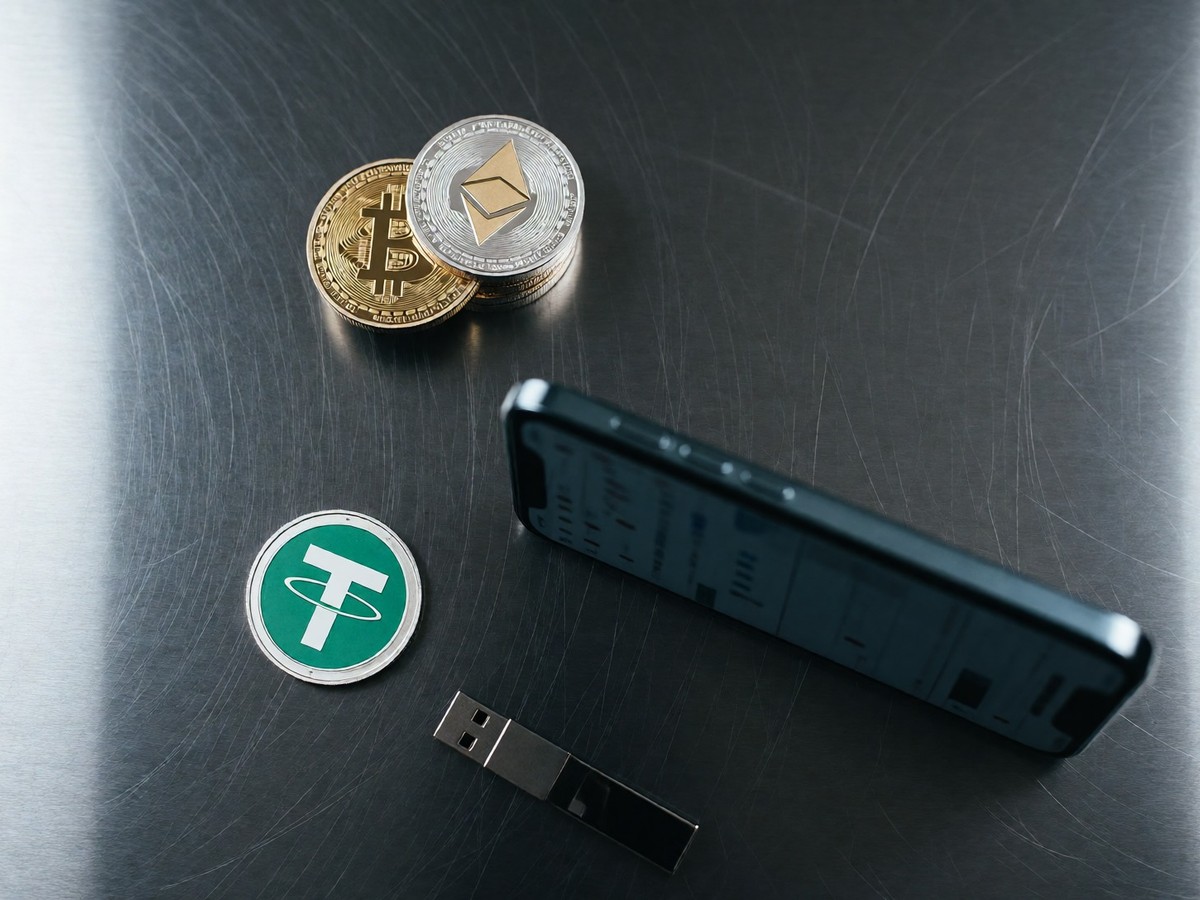
A Bank of Russia instruction took effect on November 22, permitting Russian exchanges to host cryptocurrency trading. This move shifts crypto from the grey market onto regulated venues. SPB Exchange chief executive Evgeny Serdyukov told RBC that the exchange started test trading in bitcoin, ether, and Tether’s USDT stablecoin. SPB already sent its trading and clearing rules to the Bank of Russia for registration. Moscow Exchange scheduled pilot trades in the same three assets to run from 6:50 to 23:50 Moscow time starting December 1, though the central bank expects actual trading to begin after that date. I find the competition between sanctioned SPB and Moscow Exchange for bitcoin volumes quite aggressive. Participants must register brokers, asset managers, and central counterparties, keep registers of orders, and calculate volume-weighted average and closing prices for every coin. Crypto payments inside Russia remain banned, and the regulator will ban direct peer-to-peer trading in July 2027.
Digital ruble expansion and offline wallets
The central bank plans to allow non-residents to open digital ruble accounts through Russian banks’ mobile apps from November 2027. In autumn 2027, the regulator will pilot an offline wallet with several banks to ensure payments work during mobile internet shutdowns. Roman Prokhorov, head of the Financial Innovations association, said pilot users will open a separate offline wallet in their bank app. On these devices, the system will "reserve" money instead of debiting it, and the device will sync with the central bank platform once it regains internet access. The central bank is testing solutions based on secure SIM cards to assist these offline payments. This follows a move to sovereign payment plumbing where the national card operator NSPK moved its sites to Russian security certificates.
| Digital Ruble Feature | Specification |
|---|---|
| Non-resident access | November 2027 |
| P2P crypto ban | July 2027 |
| Mass use start date | September 1 |
| Business terms | Preferential until end of 2026 |
Other planned 2027 additions include a smart contract that sweeps companies’ digital rubles into a bank account overnight to earn interest and back each morning, conditional giving for charities, payment of regional taxes, and the use of digital rubles for municipal public services. Finance Minister Anton Siluanov said on October 29 that the digital ruble could also be used in cross-border settlements if the central banks of counterpart countries interact. Moscow needs new channels because the yuan’s share of Russian export settlements has roughly halved under US secondary sanctions, and the alternative A7 payments network has made little headway abroad. The digital ruble went into mass use on September 1, and transactions are free for individuals with preferential terms for business until the end of the year. This digital currency offers little incentive for holders because the regulator pays no interest on balances and does not lend in digital rubles.