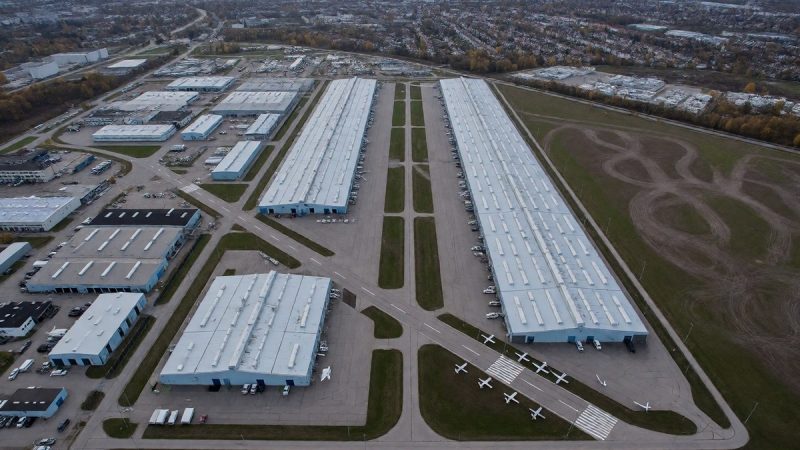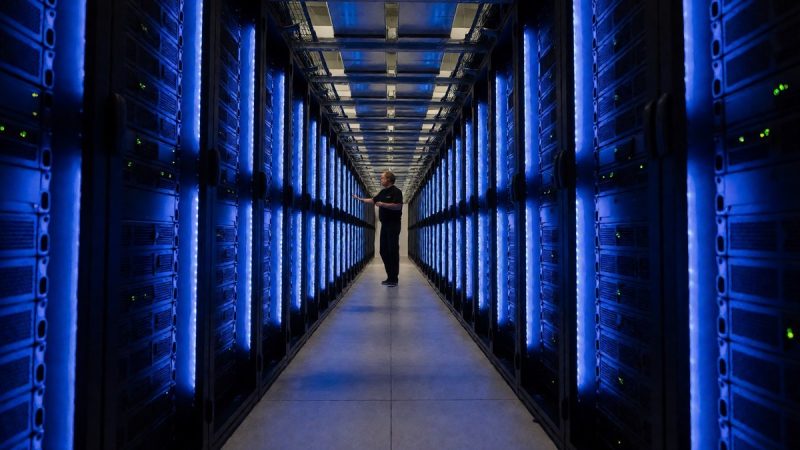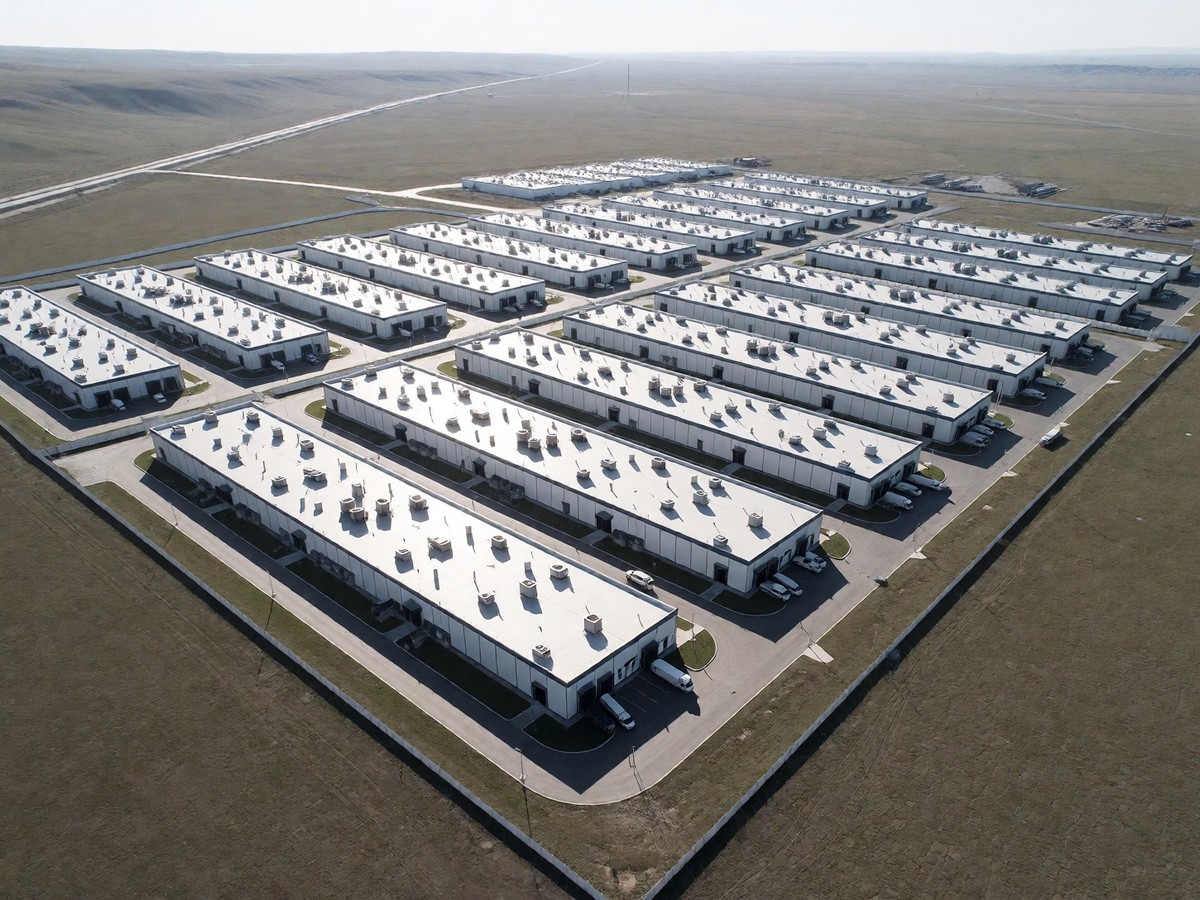
Russian companies are increasingly seeking capacity at data centers abroad, especially over the past month, according to a report by Kommersant on Nov. 10. Yevgeny Svidersky, vice president of cloud services at ITGlobal.com, told the outlet that demand for facilities in Kazakhstan has risen noticeably. Some firms have already begun migrating services overseas, while others look for foreign sites solely to back up existing domestic infrastructure. This shift follows an exchange of attacks on digital infrastructure, triggered by Russia’s campaign to damage Ukraine’s economy and make civilian life harder. The resulting strain is visible in the numbers: available cloud resources in Russia are nearly 90% occupied, leaving little room for expansion or recovery.
Escalating physical threats
The conflict began with a Russian attack on Sept. 23 that damaged a Kyiv data center housing network equipment for internet provider UTELS. That strike caused service disruptions for Fex.net and cut internet access for about 100,000 households in Kyiv. Since then, Russia has targeted Ukraine’s digital infrastructure with increasing frequency. Ukrainian drones retaliated between Oct. 8 and Oct. 18, striking three Yandex data centers, a Sberbank facility under construction, and a data center belonging to social media platform VK. These hits prompted Russian authorities to consider additional protection measures, including the construction of underground data centers.
Strategic and regulatory fallout
The consequences of these strikes could extend beyond disrupted banking and online services, potentially setting back Russia’s AI development and affecting military technology. Yandex and Sberbank are major players in the sector, where the state plays a central role. Samuel Bendett, an expert on Russian military technology at the Center for a New American Security and the Center for Naval Analyses, notes that Russia recently announced plans to share drone attack data with developers to train neural networks. While military AI programs operate separately from commercial developers, they still depend on the same computing resources, advanced chips, and civilian specialists. Western sanctions complicate replacing any damaged equipment. On Nov. 2, President Vladimir Putin signed a decree requiring privately owned data centers to reserve 10% of their capacity for Russian information resources. Authorities can requisition this reserved space within 24 hours if needed, adding another layer of complexity to an already strained market.