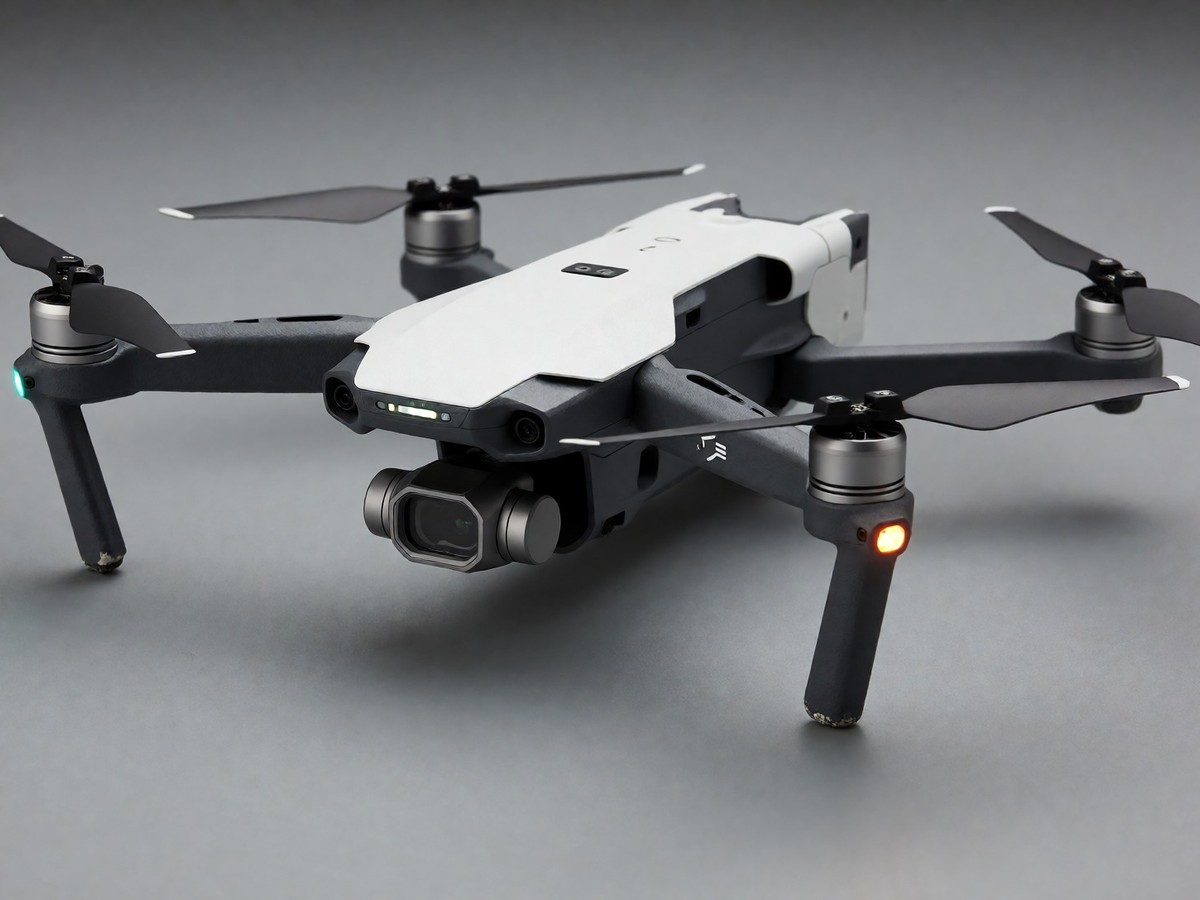
Czechia has become the primary destination for Taiwanese drones this year, surpassing Poland in volume. Finland joined the list of drone recipients in September, while both Czechia and Poland route their drone flows toward Ukraine. China’s grey-zone coercion against Taiwan already increases freight and insurance costs for regional trade. A partial blockade could lead to selective embargoes that allow Beijing to choose which nations suffer economic pain. The current stalemate in drone procurement exists because Polish partners demand on-site production, though small Taiwanese firms struggle to provide the specific manufacturing capacity that these many European countries want. This shift in procurement follows five years of Central and Eastern Europe relying on Taiwanese semiconductors and electronics for critical infrastructure, the automotive industry, and security ecosystems. Preparation in the defence sector is necessary because Taiwan’s strategic dependency on components creates a vulnerability for Beijing to exploit.
Dual-use production remains difficult
Cooperation in the dual-use sector remains a "political hot potato." Agricultural drone production remains a promising entry point for the region. While Taiwan can sell components to make money, it builds the whole drone for its own defense. Scaling depends on government orders, which leaves Taiwanese producers exposed to budget delays. Current cooperation with Ukraine involves only deliveries, because pilot training and joint testing stand at zero. Warsaw and Prague can serve as intermediaries by linking Taiwanese suppliers to the Brave1 defence technology cluster in Ukraine. Removing Chinese parts "is just half of the work," according to participants at a November 23, 2026, discussion at the Res Publica Foundation office in Warsaw. The discussion, titled "Resilience Beyond Drones: Perspectives on Strategic Culture of Taiwan, Poland and Central Europe," drew on the foresight report "The Volatile Taiwan Strait: Economic Security Perspectives from Central Europe." It included policy analyst Cathy Fang of the Research Institute for Democracy, Society and Emerging Technology, Marcin Jerzewski, Natalia Zieminska of the Lukasiewicz Institute of Innovation and Technology, and Wojciech Przybylski. Buyers often compare price tags and overlook "the invisible security cost that Taiwan’s product can provide." Scaling production requires a collective democratic market with a shared definition of non-red supply chains, but Europe has 27 national approaches and buyers who set their own rules. Taiwan must present its offer as civilian cooperation and accept that European threat perceptions differ. CEE governments must value Taiwan as a security partner beyond the price tag, since no country in the region is a bystander to the situation in the Taiwan Strait.