New buyer enters the SAFE programme
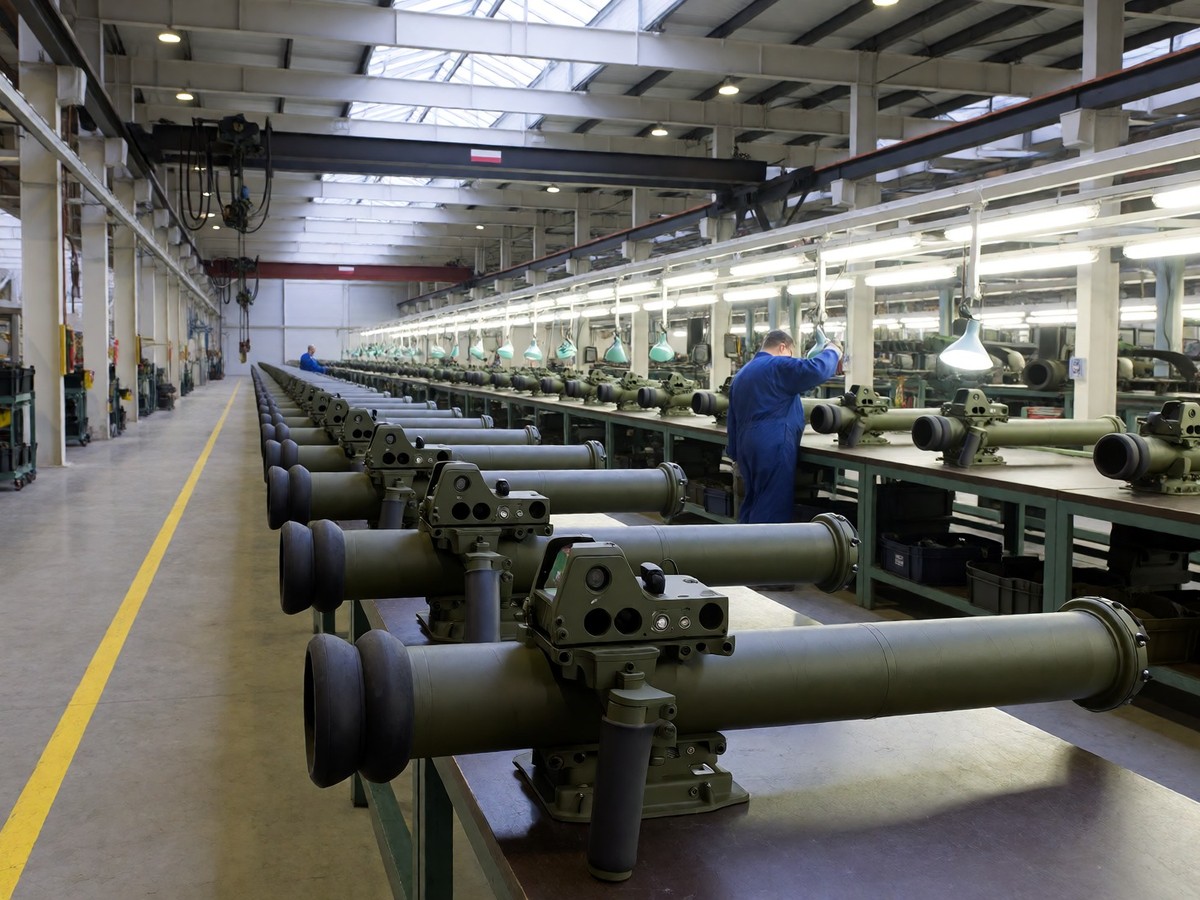
Mesko, which is part of the state-owned defence group PGZ, signed an agreement adding the Netherlands to a list of countries that will buy Piorun systems using funds from the European Union SAFE mechanism. The Piorun, meaning "thunderbolt" in Polish, is a shoulder-mounted system designed for destroying helicopters, drones, and low-flying planes at short range. This procurement acts as an addendum to an 8 billion zloty (€1.8 billion) agreement signed in August for Poland, Norway, Lithuania, and Latvia, which involves several hundred launchers and several thousand missiles. Over 80% of that equipment goes to Poland. Since 2022, Mesko has received orders from the United States, Norway, Belgium, Sweden, and Ukraine because these systems successfully took down Russian aircraft. The EU SAFE programme provides €150 billion in loans for defense spending, and Poland is the largest recipient with €44 billion. Some SAFE purchases are carried out jointly by countries like Norway.
| System Spec | Details |
|---|---|
| Target Types | Helicopters, drones, low-flying planes |
| August Deal Value | 8 billion zloty (€1.8 billion) |
| Current Production | 1,500 units annually |
| Planned Production | 2,500 units annually |
Production expansion and market demand
Magdalena Sobkowiak-Czarnecka, the deputy defence minister, said the Netherlands would not be the last country to join the procurement of Pioruns. "We promised that the list of Mesko’s buyers from all over Europe would grow, and today we have living proof of that," she said. She added, "it’s not over yet." Mesko increased its annual production from several hundred systems last year to 1,500 units following growing demand. The company expects to reach 2,500 systems per year after PGZ and the state assets ministry signed an agreement to provide 370 million zloty from the state Capital Investment Fund (FIK). This production expansion follows a year where Mesko reported 2.3 billion zloty in revenue, which was a 33% increase. The demand for these systems grew because they were used in large quantities to help Ukraine defend itself against the full-scale Russian invasion. Demand from countries including the United States, Norway, Belgium, Sweden, and Ukraine continues to drive this growth. Mesko did not reveal precise details regarding the August agreement.